The Trump administration has begun rolling back protections on some of America’s most pristine ocean environments, located thousands of miles from the continental United States in the Pacific Ocean. These vast marine conservation areas, encompassing more than a million square miles, are now being opened to commercial fishing operations. The decision has reignited concerns about the future of ecosystems that scientists have long considered irreplaceable.
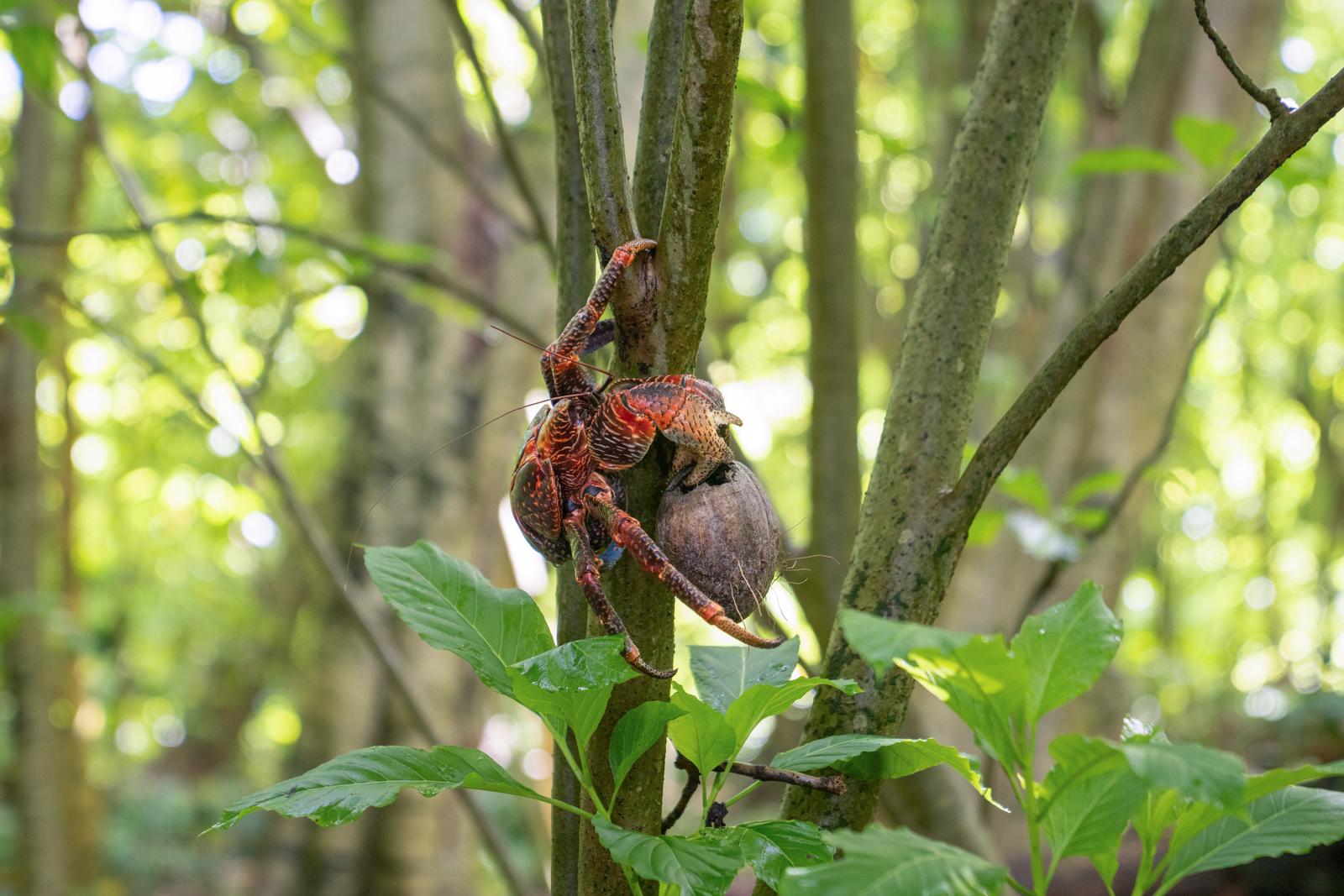
Centered on remote islands and atolls, these protected waters represent biodiversity hotspots of global significance. Palmyra Atoll exemplifies the ecological importance of these locations, serving as a research station where scientists have documented extraordinary marine life. The atoll and its surrounding reef system host thriving seabird colonies, intact coral ecosystems, and an unusually dense population of predators, creating what researchers describe as a rare, fully functioning food web.
Despite centuries of colonial and military development that transformed many Pacific atolls, these regions have remained remarkably wild. The shallow atolls function as crucial feeding grounds where large fish like tuna gather, in turn attracting seabirds that depend on these predators to help them access food. The interconnected ecosystem stretching from island vegetation to deep ocean waters was the primary rationale for establishing federal protections in the first place.
The policy reversal has sparked debate among conservationists and marine scientists who fear the consequences of opening these fragile environments to industrial-scale fishing.
Originally reported by Apps.npr →
About the Author