Sponge Foraging in Dolphins Does Something Unique to Their Genes
 A biological footprint of a learned skill.
“`html
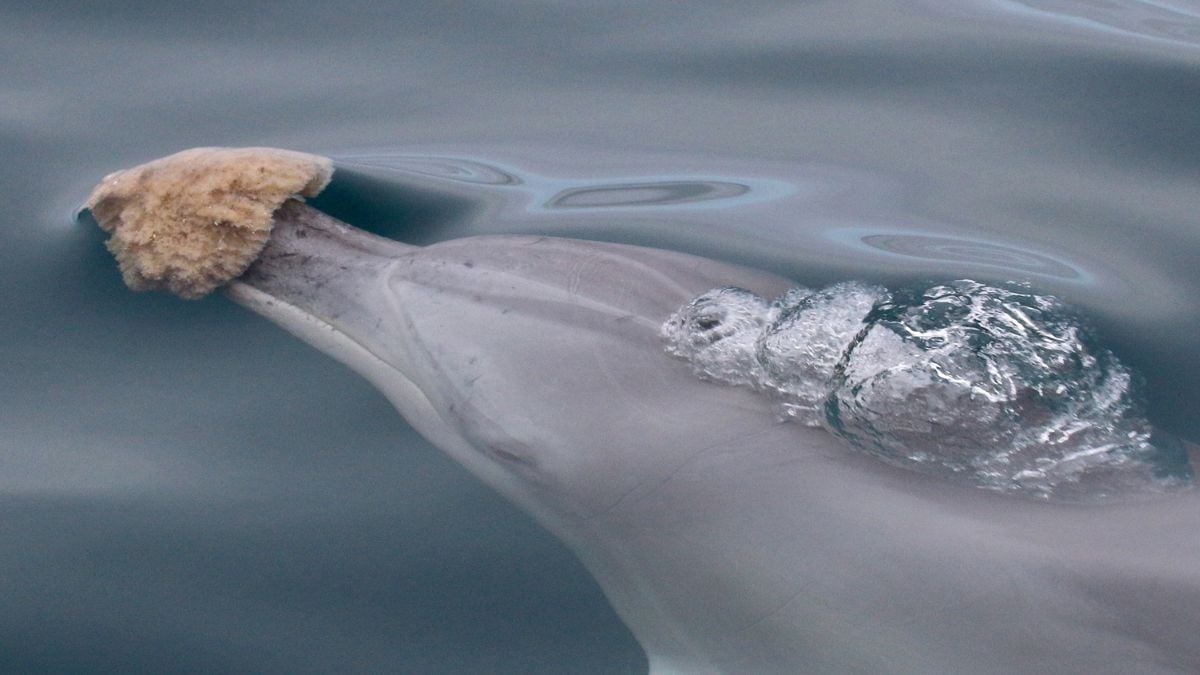
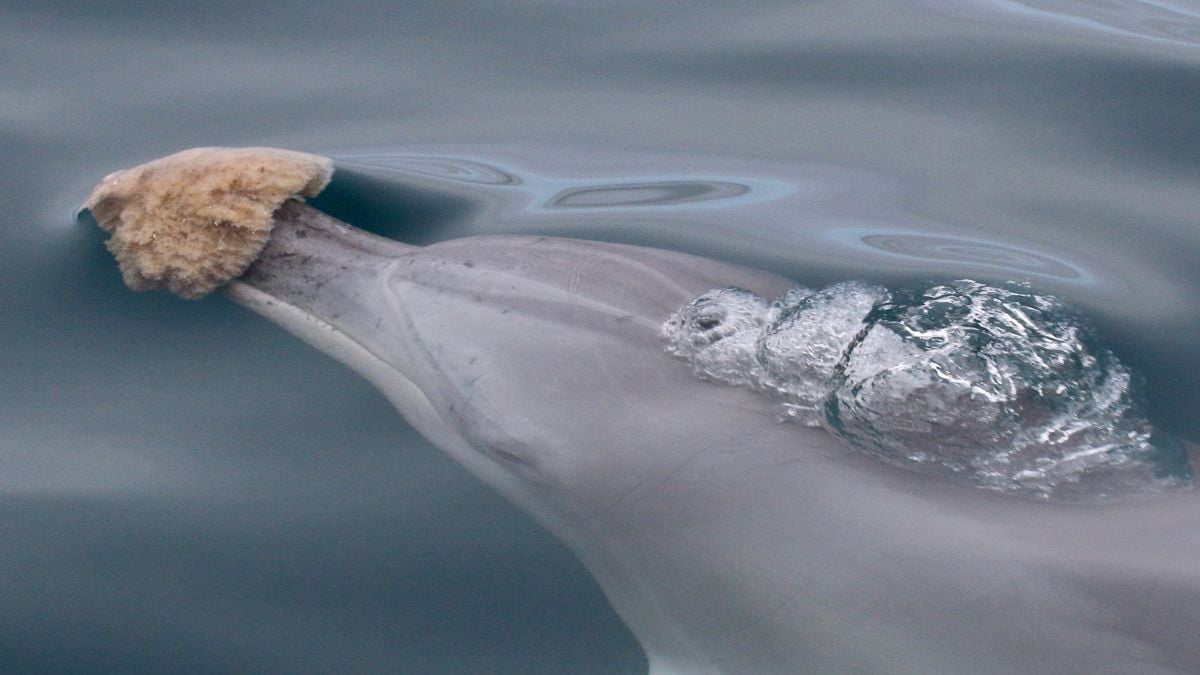
Dolphins in Shark Bay, Australia, have developed a distinctive hunting technique that involves using marine sponges to cover their snouts while foraging along the seafloor for hidden fish. This learned behavior, passed down from mothers to calves, protects the animals from abrasive sand while allowing them to search deeper waters and cover larger areas than would otherwise be possible. Researchers have long documented this tool use, along with other innovative behaviors like shelling, yet questions remain about how such cultural practices become embedded in dolphin populations.
A new study has revealed that dolphins practicing this sponging behavior exhibit measurable differences in their epigenome—the chemical modifications that control how genes are expressed without altering DNA itself. Scientists analyzed skin samples from 96 dolphins over two decades, comparing 23 confirmed spongers with 73 non-sponging neighbors. Using machine learning, researchers found that methylation patterns across 21 different DNA sites could distinguish spongers from their non-sponging counterparts, though no single genetic marker stood out as significant.
The findings suggest that learned cultural behaviors may leave biological signatures in animals. However, researchers remain uncertain whether learning to sponge causes epigenetic changes, whether existing genetic differences predispose dolphins to adopt the behavior, or if both factors interact with the sponging lifestyle. The study demonstrates how culture and biology intertwine in dolphins, potentially offering insights into similar relationships in human evolution and behavior.
“`
Originally reported by Sciencealert →
About the Author