This Tiny Organ Plays a Far More Profound Role in Human Longevity Than We Realized, Study Finds
 We had no idea how powerful it was.
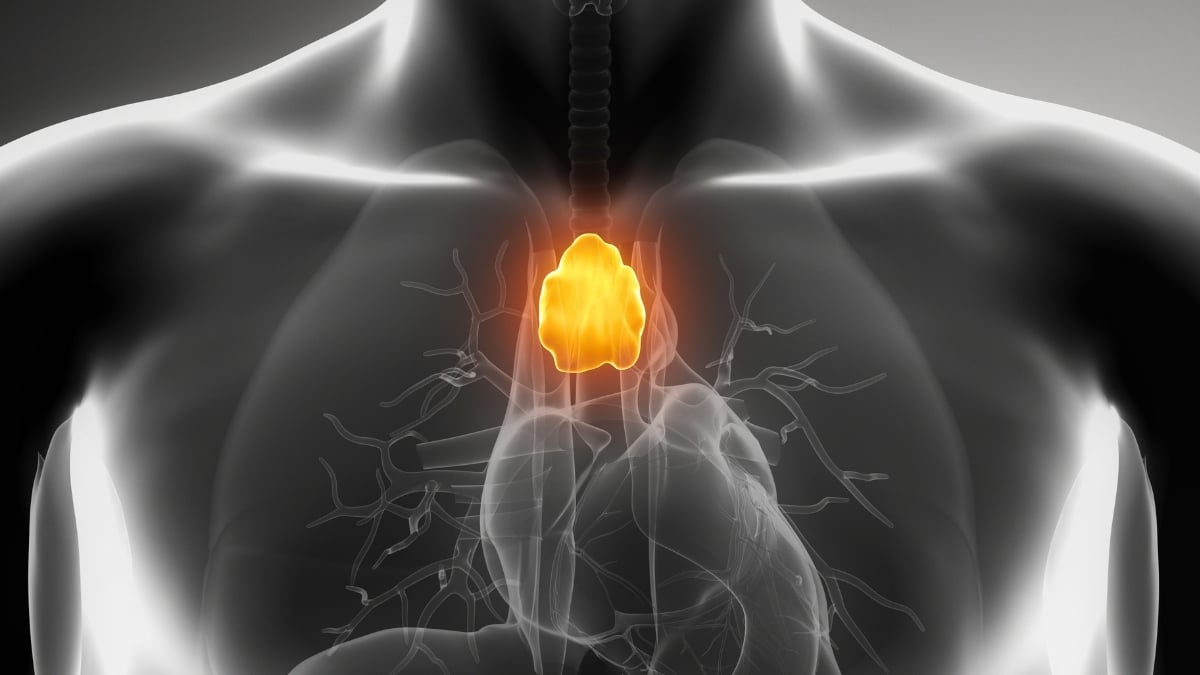
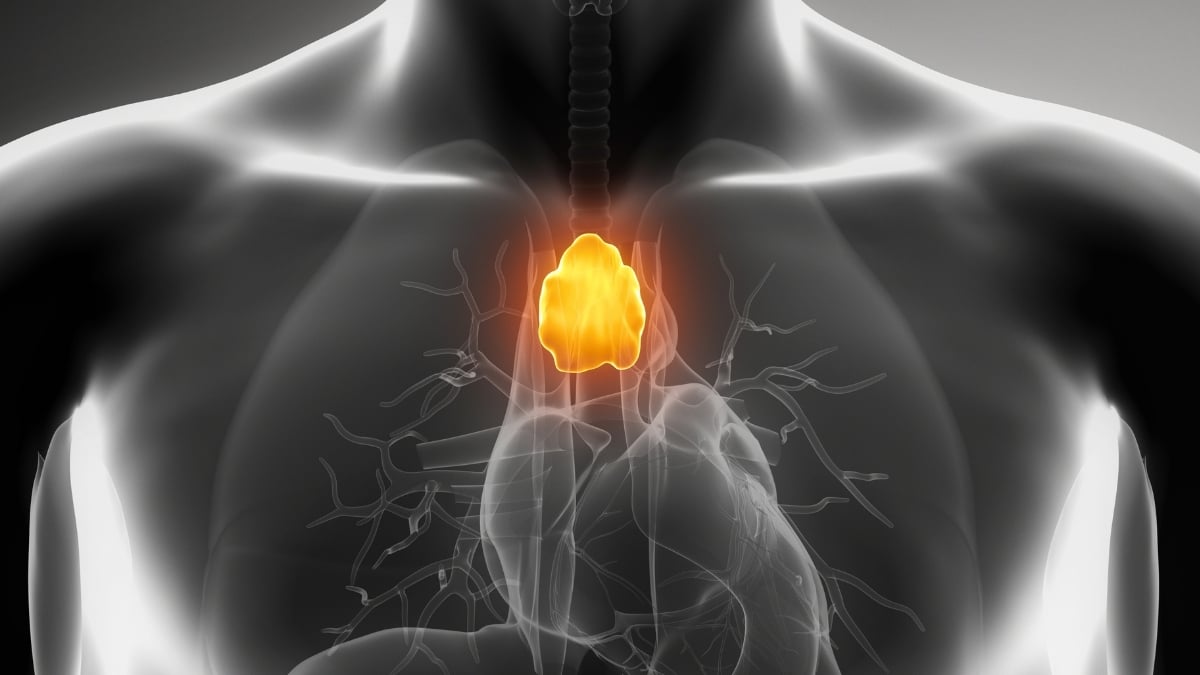
Scientists have discovered that the thymus, a small organ in the upper chest long dismissed as irrelevant in adults, plays a far more significant role in human health and longevity than previously recognized. The organ, which is known to shrink with age, was thought to become essentially useless after childhood when it completes its primary function of developing immune cells. New research suggests this assumption was fundamentally wrong.
Researchers led by Harvard oncologist Hugo Aerts analyzed medical data from over 27,000 participants across two major studies, using artificial intelligence to assess thymus health based on CT scan images. The analysis revealed striking correlations between thymic health and various health outcomes. Individuals with high thymic health showed approximately 50 percent lower risk of death, 36 percent lower risk of lung cancer development, and dramatically reduced cardiovascular mortality compared to those with poor thymic health.
The findings extend beyond general health metrics. A related study found that cancer patients with healthier thymuses responded significantly better to immunotherapy treatments across multiple cancer types, including lung cancer, melanoma, and breast cancer. While the research demonstrates correlation rather than direct causation, it suggests the thymus functions as a fundamental indicator of immune fitness throughout life.
These discoveries could reshape medical approaches to treatment and disease prevention. Researchers suggest thymic health measurements from routine imaging might help identify patients most likely to benefit from specific therapies and guide strategies for maintaining immune function during aging.
Originally reported by Sciencealert →
About the Author