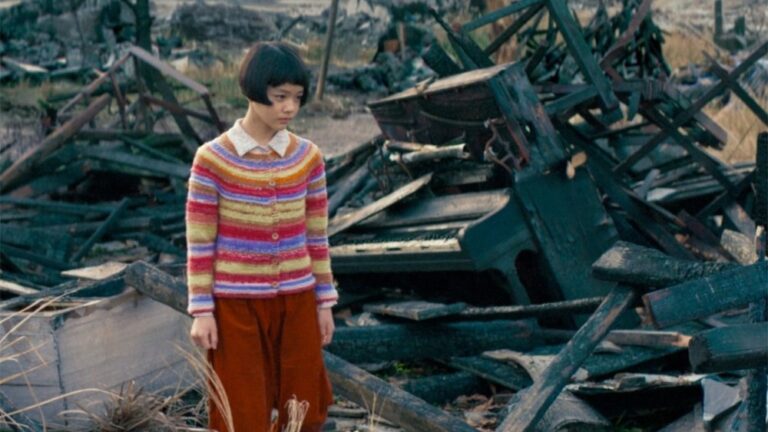
Director Paul Greengrass brings 14th-century England’s Peasants’ Revolt to the screen in “The Uprising,” a visceral examination of populist uprising that resonates with contemporary audiences. The film centers on the 1381 rebellion, sparked when economic desperation, plague-induced suffering, and oppressive taxation drove the poor to revolt against an corrupt ruling class. What began as a violent confrontation in a small Essex town quickly escalated into a massive movement that marched on London.
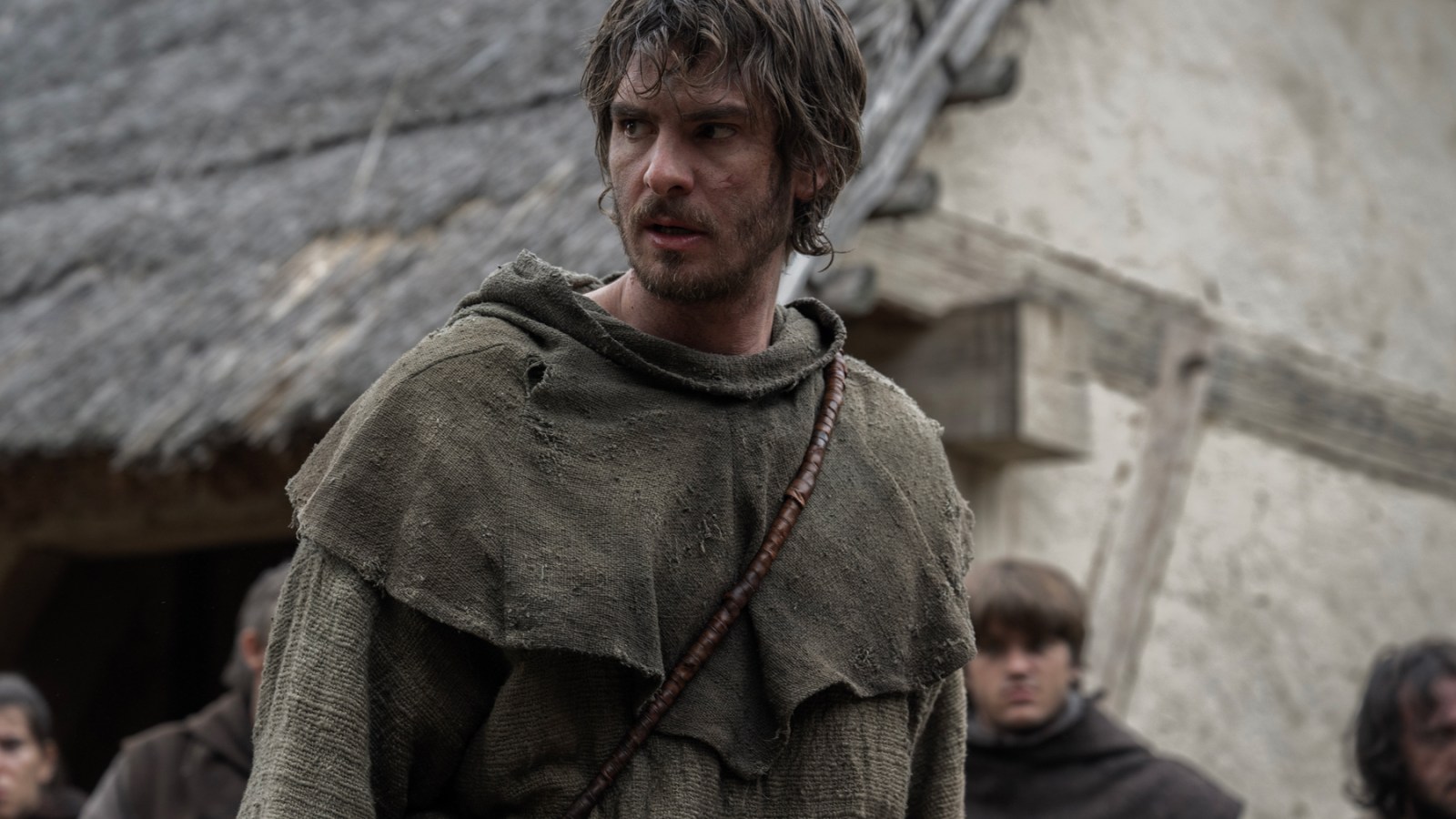
The narrative follows Ploughman, a grief-stricken farmer portrayed by Andrew Garfield, whose act of defiance against tax collectors ignites the broader uprising. Alongside radical figures like John Ball and Wat Tyler, ordinary citizens including a young woman named Alyce join the march, hoping to directly appeal to the young King Richard II. Meanwhile, the aristocracy scrambles to suppress the movement through force and political maneuvering.
Greengrass employs his signature filmmaking style—kinetic camera work and immersive storytelling—to transform historical events into urgent, present-day drama. The director, known for films like “Bloody Sunday” and “Captain Phillips,” captures the chaos and dread of a society fracturing under the weight of inequality and state violence, creating parallels that modern viewers will find disturbingly familiar.
Originally reported by Rollingstone →
About the Author