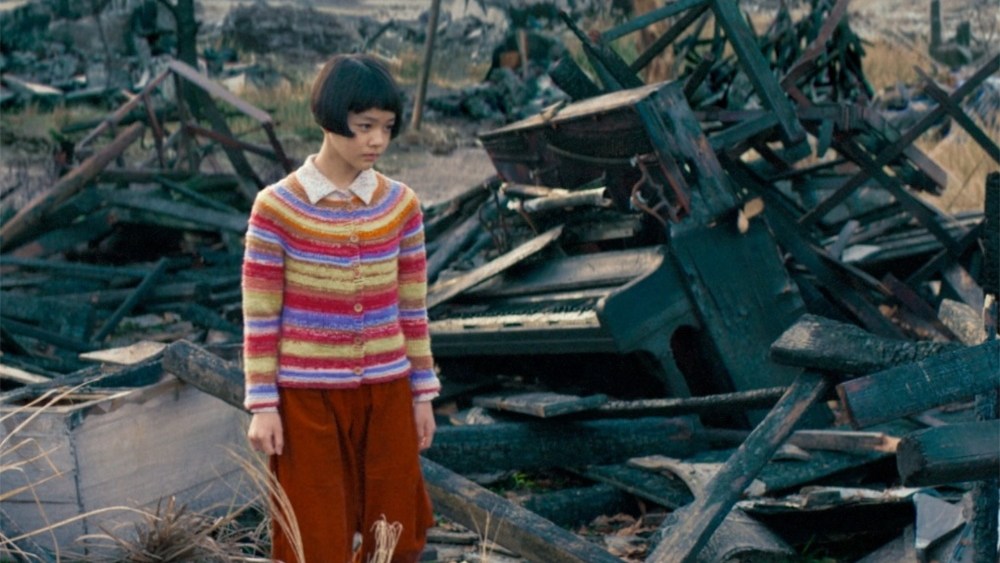
Director Nishikawa Miwa’s latest film “Children Untold” premiered at the Toronto International Film Festival’s Platform competition, exploring a largely overlooked chapter of Japanese history through the story of Kotoko, a girl orphaned by Tokyo’s wartime firebombing. The drama follows her transformation from a music-loving child into someone who abandons her identity to survive among other displaced youth under yakuza protection in postwar Japan.
Nishikawa developed the project after her 2021 film “Under the Open Sky,” which sparked her interest in documenting the broader experiences of Japan’s war orphans. Drawing on archival testimony she gathered during pandemic lockdowns, she discovered that the government had largely ignored these children’s plight, rejecting lawsuits from air-raid victims without providing compensation or support. Nishikawa notes that comprehensive documentation of these experiences only began in the 2000s, decades after the war’s end.
The director deliberately resisted portraying wartime civilians as passive victims, instead examining how militarist propaganda shaped Japanese children before the conflict reached their homes. By centering Kotoko’s story, Nishikawa highlights how many orphans surrendered their names, beliefs, and identities simply to remain alive. She emphasizes the film’s contemporary relevance, noting that recent global conflicts made the historical narrative feel urgently connected to present circumstances rather than a distant, resolved past.
Originally reported by Variety →
About the Author