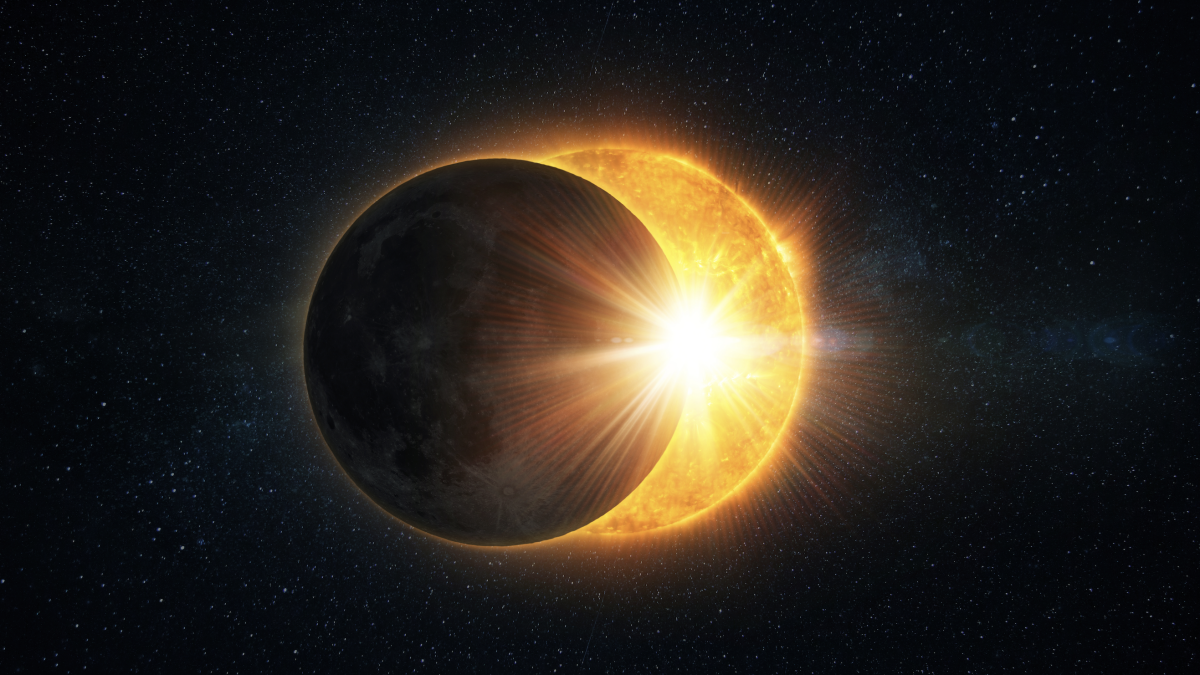
The upcoming solar eclipse this week presents a tempting opportunity to capture stunning celestial imagery, but experts strongly advise against using smartphones for this purpose. Modern smartphones, including high-end models, lack the necessary protection to withstand the intense radiation emitted by the sun during an eclipse.
The concentrated heat from solar rays poses a significant risk to camera hardware. When focused through a phone’s lens, this extreme energy can generate temperatures high enough to damage or completely melt the internal optical components. NASA has issued warnings about this danger, noting that smartphones are simply not engineered to handle such extreme conditions, much like using binoculars or telescopes to view the sun directly can cause permanent eye damage.
While protective filters designed for cameras and phones are available as a workaround, viewing the eclipse safely with the naked eye remains the recommended approach. NASA specifically endorses glasses meeting ISO 12312-2 standards, which properly filter harmful solar radiation. The 2026 total solar eclipse will occur on August 12, with visibility varying depending on geographic location.
Observers are encouraged to prioritize eye safety over documentation, allowing themselves to experience this remarkable astronomical event firsthand rather than through a camera screen.
Originally reported by Mashable →
About the Author