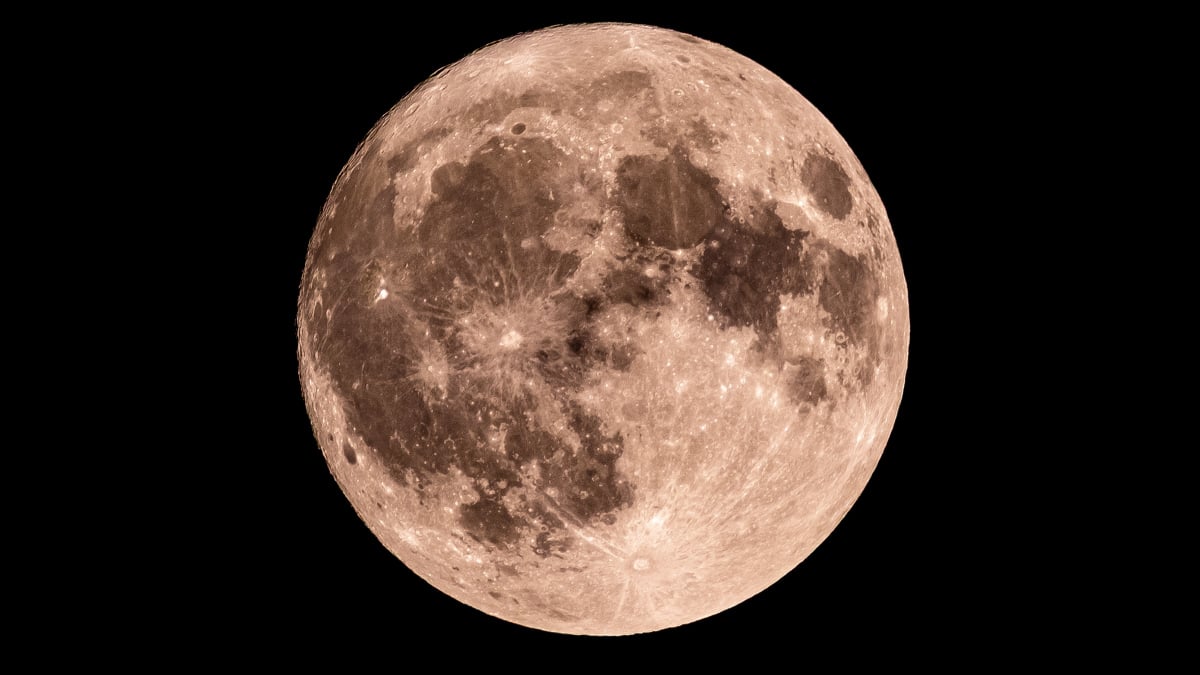
August 11 marks a significant point in the lunar calendar, as our Moon approaches the conclusion of its current cycle. On this date, the lunar body is in its waning crescent phase, with only 3 percent of its surface receiving illumination. This minimal visibility means stargazers will struggle to discern any surface details on the Moon tonight, as insufficient light reflects from its face.
The lunar cycle, which repeats approximately every 29.5 days, results from the constantly shifting positions of the Sun, Earth, and Moon relative to one another. As our satellite orbits Earth, the angle at which sunlight strikes its surface changes, producing eight distinct phases that observers can recognize throughout the month. The waning crescent represents the final stage before the Moon enters its new moon phase, when it becomes completely invisible to the naked eye.
Observers awaiting the next fully illuminated lunar display need not wait long. The subsequent full moon is scheduled to occur on August 28, providing skywatchers with a dramatic contrast to the current sliver visible in the night sky. Understanding these cyclical patterns helps enthusiasts plan optimal viewing opportunities throughout the year.
Originally reported by Mashable →
About the Author