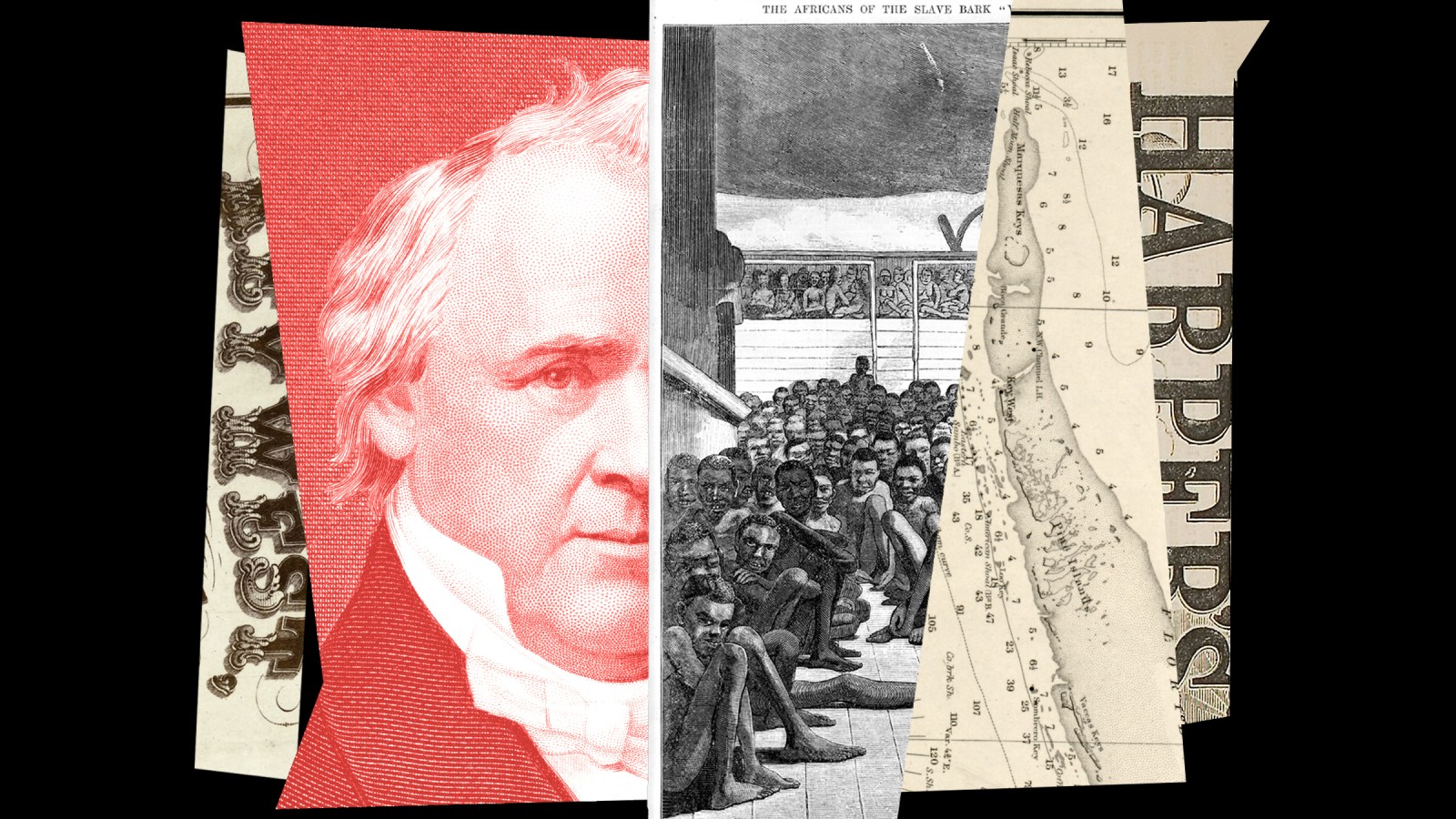
The tropical paradise of Key West harbors a troubled past that remained hidden for generations. In 2002, Dr. Corey Malcom, a historian and archaeology director, made a significant discovery at Higgs Beach using ground-penetrating radar technology. His team uncovered unmarked graves containing the remains of individuals whose stories had been largely forgotten by the island community.
The graves belonged to Africans rescued from illegal slave ships intercepted by the U.S. Navy during the 1860s. Three vessels—the Wildfire, William, and Bogota—were captured and brought to Key West, which was unprepared to accommodate the approximately 1,432 survivors. Historical records documented that 295 of these individuals died during their temporary stay on the island. The newly arrived captives, many already weakened from their harrowing journey, were housed in hastily constructed facilities while awaiting transport back to Western Africa.
Despite locating fifteen graves arranged in distinct rows, Dr. Malcom’s initial findings raised more questions than answers. The discovery of only a fraction of the documented burial sites prompted ongoing investigations into the full extent of what occurred on that stretch of sand. Today, visitors to the nearby southernmost point of the continental United States remain largely unaware of the significant African American history beneath their feet, underscoring how this crucial chapter of Key West’s past has been obscured from public consciousness.
Originally reported by Rollingstone →
About the Author