“`html
Cyberattacks on critical infrastructure systems in Britain and the United States have exposed serious security gaps that extend far beyond regional concerns. A recent incident forced a UK power facility offline for several days, while water systems across multiple American states experienced digital breaches. Though individual attacks may appear limited in immediate impact, experts warn they signal a troubling trend connected to escalating regional tensions.
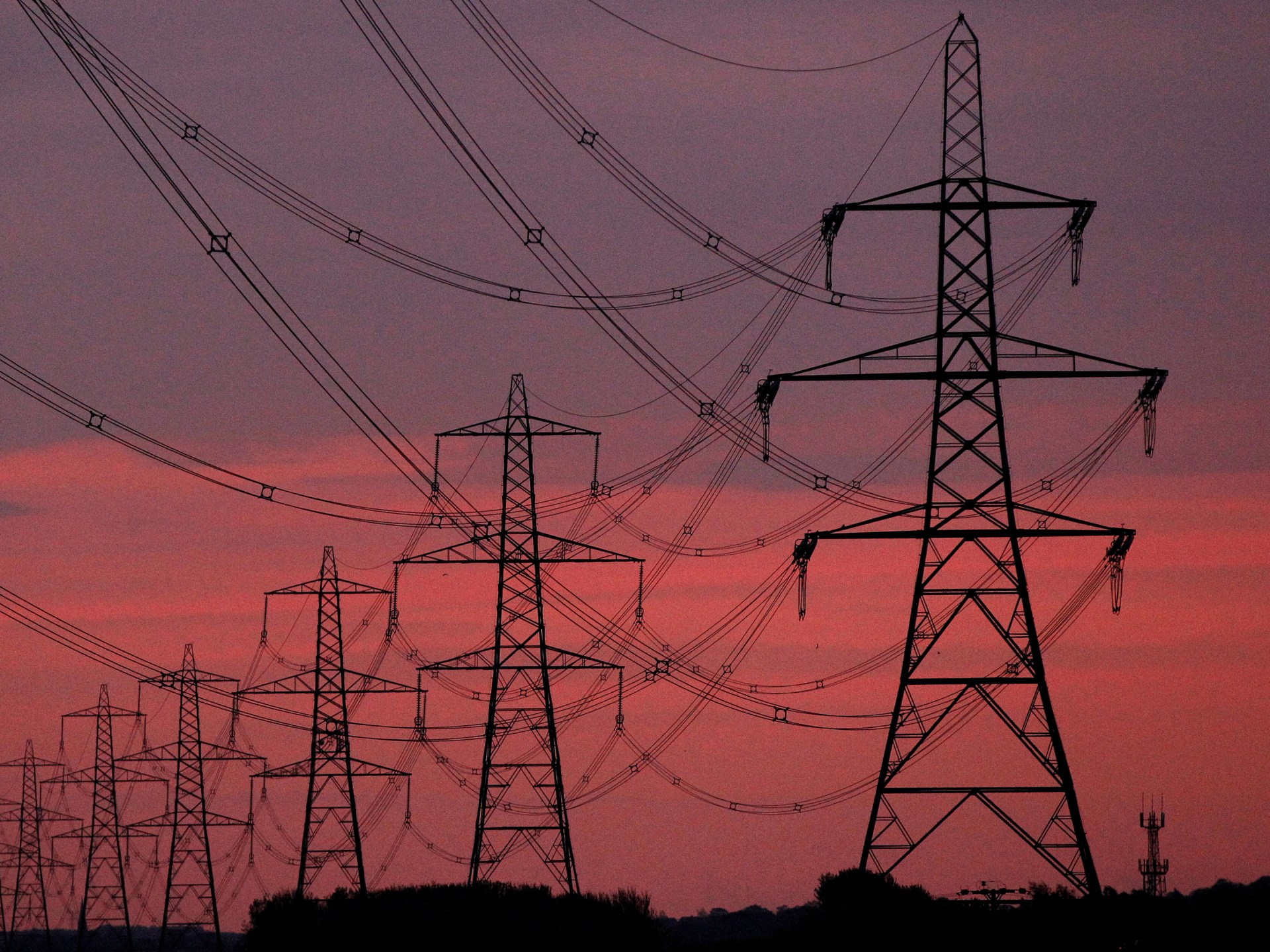
The attacks demonstrate how technology vulnerabilities in essential services create dangerous risks. Modern infrastructure—including electricity grids, water treatment plants, and transportation networks—increasingly depends on interconnected digital systems. Hackers can potentially target programmable logic controllers that manage physical equipment and processes, and investigators have linked some incidents to Iran-affiliated groups. This represents a fundamental shift in cybersecurity threats, moving beyond data theft toward disruption of services that societies depend upon daily.
A critical concern involves how interconnected infrastructure systems amplify potential damage. Power supplies support communications and healthcare; water systems rely on electricity and digital controls. A breach in one sector can cascade through dependent networks, creating widespread consequences even if the initial attack targets a single facility. This reality has prompted government agencies to advise operators to develop resilience strategies, including backup manual controls and contingency plans.
Security experts stress that prevention alone cannot protect critical infrastructure. Organizations must prepare for scenarios where attackers succeed, ensuring they can maintain essential services, isolate compromised systems, and restore operations quickly. Governments worldwide now face pressure to strengthen both defensive capabilities and operational resilience against evolving cyber threats.
“`
Originally reported by Aljazeera →
About the Author