Meta’s $17 billion settlement represents a partial victory in the ongoing battle for online child safety, but it falls short of addressing the deeper structural problems that harm young users. While the agreement includes measures like age-verification systems and independent audits, it does not fundamentally change how technology companies operate or the business models that prioritize user engagement over user wellbeing.
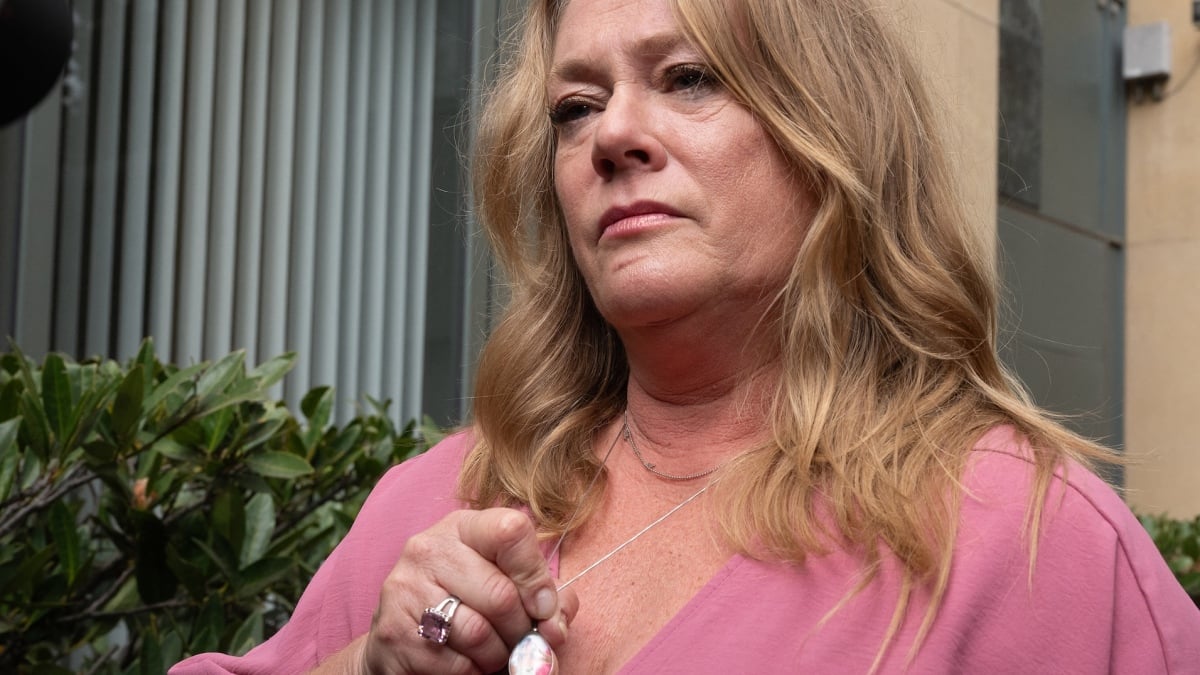
Outside an Oakland courthouse, grieving parents publicly described their children’s deaths to media cameras, reliving their trauma to draw attention to the settlement. This emotional labor—required to maintain public awareness and advocacy—carries a significant cost that settlement figures never quantify. Parents and young supporters continue bearing this burden because generating media attention remains necessary to keep accountability in the public conversation, even after legal victories are secured.
California lawmakers recently passed two bills designed to create more permanent safeguards. AB 1709 restricts platforms from deploying addictive features to users under 16, while AB 2 holds companies liable for up to $1 million per child harmed through negligent design. Unlike settlements that eventually expire, these laws establish ongoing requirements without time limits. Meanwhile, Meta spent $4.6 million lobbying Sacramento and launched a political committee to back candidates favoring lighter regulation, demonstrating how the company continues fighting against stronger protections even as it publicizes commitment to child safety.
True accountability requires changing corporate business models before harm occurs, rather than merely compensating families after tragedy. Permanent legislative solutions offer more meaningful protection than negotiated settlements that preserve companies’ existing operational structures.
Originally reported by Mashable →
About the Author