
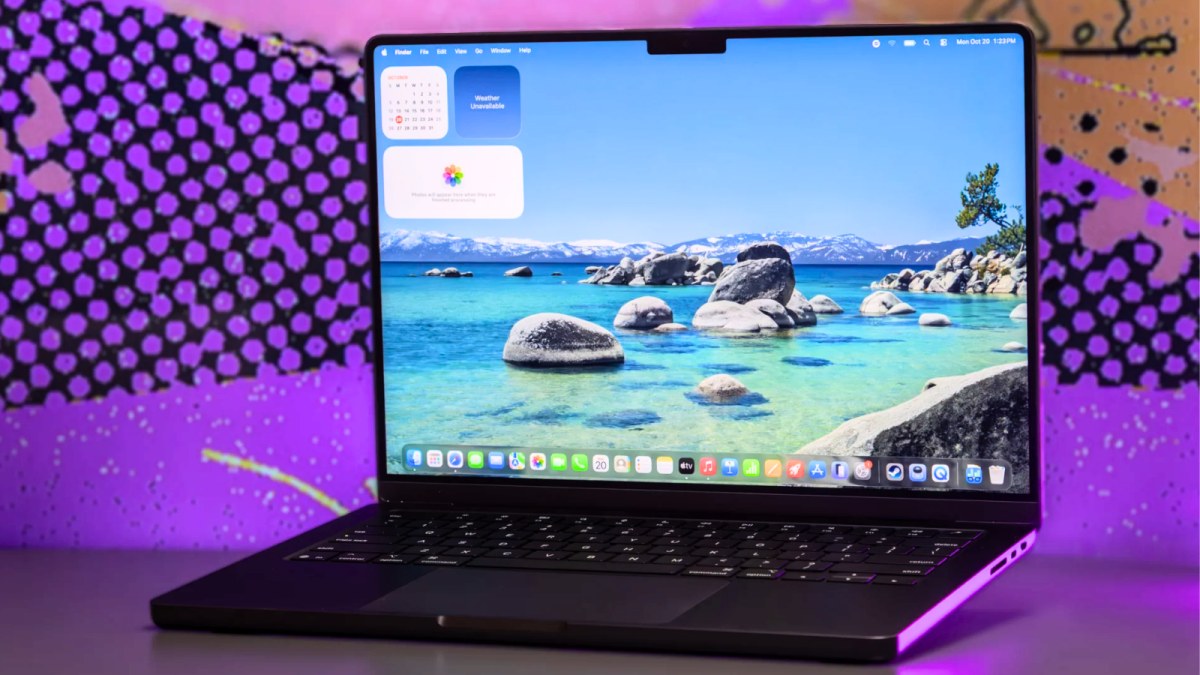
As students prepare for the upcoming academic year, selecting the right laptop remains a critical decision. A comprehensive analysis of hardware recommendations from leading public universities, combined with extensive product testing, has identified six standout devices suited to different academic disciplines and budgets.
The selection process prioritized portability, durability, and value while considering specifications outlined by top institutions. Most universities recommend devices manufactured within the last two years, equipped with at least 16 gigabytes of RAM and 512 gigabytes of solid-state storage. Students pursuing engineering, computer science, or architecture should budget for substantially higher specifications, including 24 to 32 gigabytes of RAM and one terabyte of storage. For processors, mid-range Intel Core or AMD Ryzen chips serve general students adequately, while demanding coursework benefits from higher-tier options and dedicated graphics capabilities.
Six leading models emerged as optimal choices across various majors. The 13-inch Apple MacBook Air suits humanities and communication students, while business majors may prefer the Acer Swift Edge or Dell 14S. Budget-conscious liberal arts students should consider the Apple MacBook Neo. Engineering and design specialists require the Acer Swift X series, and those pursuing graphic-intensive fields benefit from the 14-inch Apple MacBook Pro. Owning a personal device proves essential, as institutional borrowing systems operate on limited availability and temporary-use bases.
University-recommended extended warranties with accidental damage coverage provide valuable protection for these investments, which often remain functional well beyond graduation. Student discounts should be leveraged when available to reduce overall costs.
Originally reported by Mashable →
About the Author