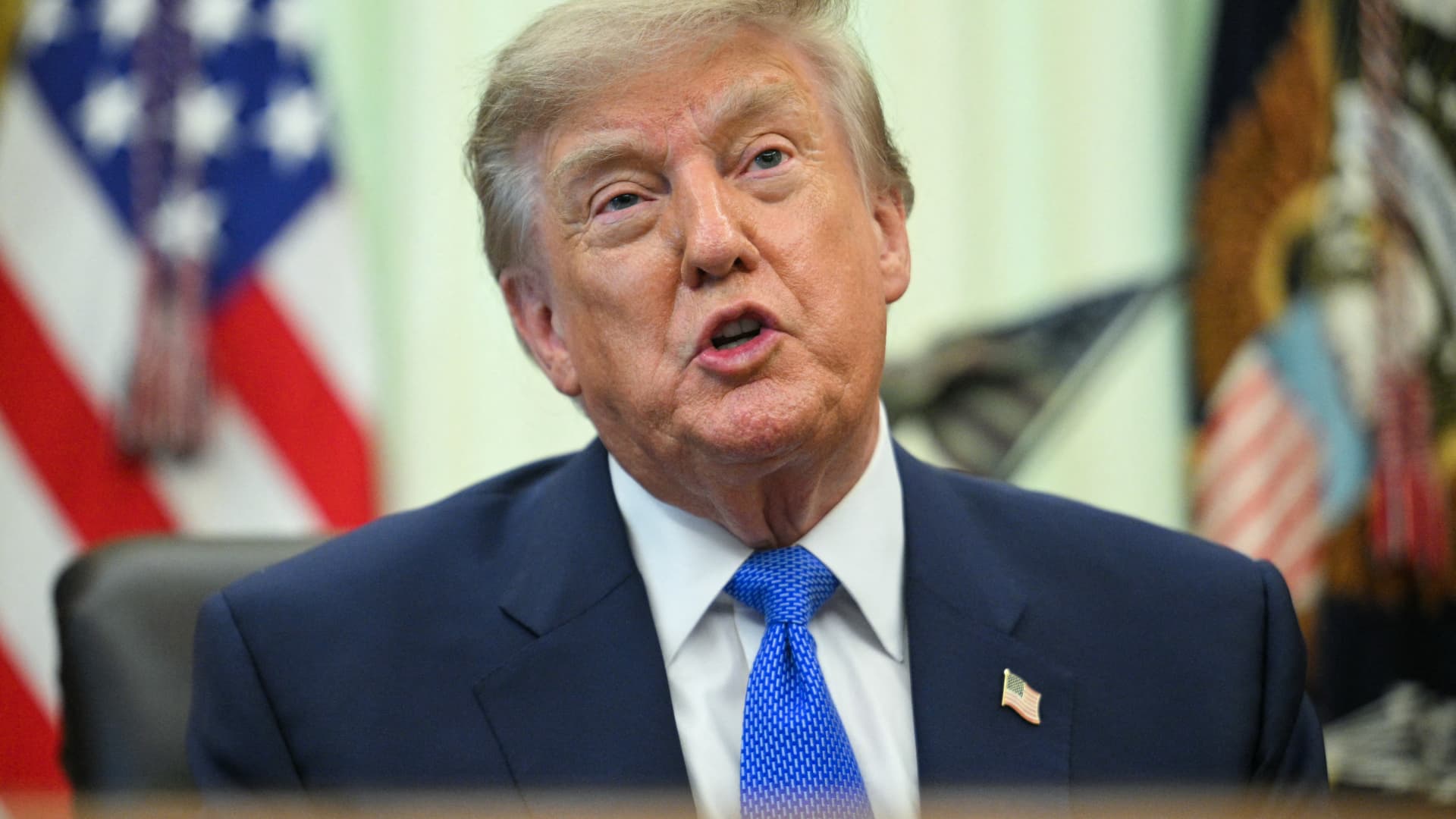
Negotiations between the United States and Iran over reopening the Strait of Hormuz have deteriorated further as both nations escalate their financial demands. President Trump announced Monday that he is seeking reparations from Iran for alleged damages accumulated over five decades, including compensation for American military personnel casualties and families affected by Iranian government crackdowns. The administration indicated these demands would be incorporated into all future diplomatic discussions with Tehran.
Iran had previously outlined its own conditions for reopening the strategic waterway, which transported approximately one-fifth of global oil supplies before conflict disrupted shipping. Tehran’s security council demanded that Washington withdraw its naval presence, lift economic sanctions, release frozen assets, and pay war reparations. The Iranian foreign ministry criticized U.S. sanctions policy as counterproductive, arguing that America defaults to punitive economic measures when diplomacy stalls.
Trump declared that American naval forces have secured complete control of the Strait of Hormuz following mine-clearing operations, positioning U.S. military presence as a permanent fixture in the region. This assertion directly contradicts Iran’s insistence that the waterway cannot reopen while American forces maintain their blockade. The fundamental disagreement over the role of military presence in negotiations suggests little common ground remains between the two sides.
Oil markets responded to the mounting tensions, with crude futures climbing as investors assessed supply risks. A reported incident involving a tanker near the strait underscored the precarious security situation, with maritime authorities warning vessels of ongoing operational uncertainty in the region.
About the Author