“`html
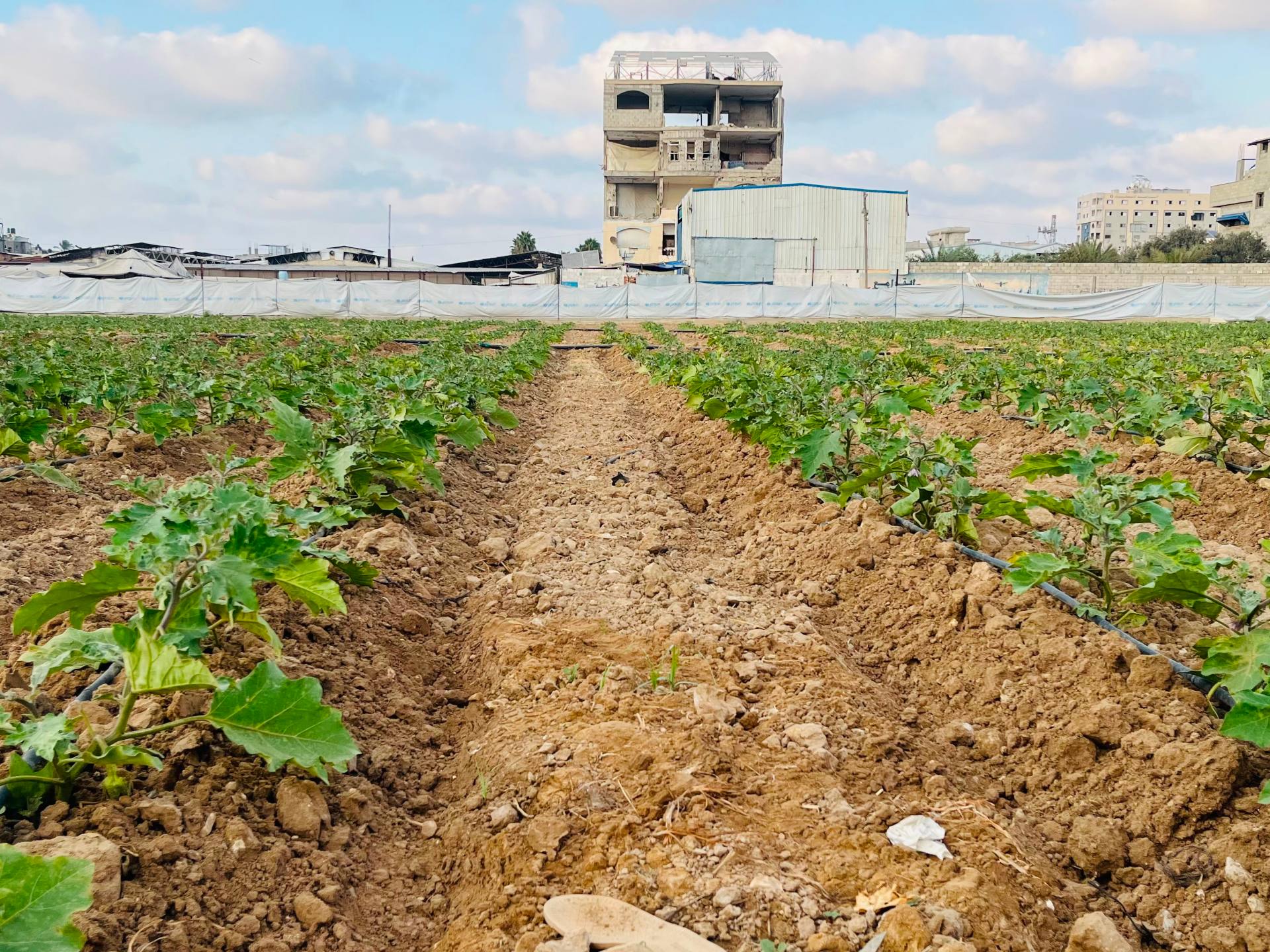
Agricultural communities in Gaza are turning to small-scale farming initiatives as a means to rebuild livelihoods following widespread destruction of the sector. Farmers who have lost access to their original land are establishing modest plots and greenhouse operations in safer areas, allowing them to resume cultivation and generate income for their families despite challenging circumstances.
Mohammad al-Halabi, a farmer displaced from his northern Gaza property, now tends a small rented plot in Nuseirat refugee camp after his original 10-acre farm was destroyed. Similarly, Mohammad Abdul Naser Hassan al-Jadba has established a greenhouse operation in Deir el-Balah after his farmland became inaccessible. These modest ventures produce limited quantities, yet they represent critical steps toward economic recovery for families whose primary occupation has been decimated.
Official data reveals the severity of the agricultural crisis, with more than 87 percent of Gaza’s farmland and greenhouse infrastructure damaged or destroyed. Agricultural production has plummeted from approximately 524,000 tonnes annually to roughly 20,000 tonnes, while nearly 8,700 wells and thousands of livestock farms have been rendered non-functional. Government officials indicate that even when farmers return to their land, extensive rehabilitation of soil, irrigation systems and infrastructure will be required before substantial production can resume.
Despite these obstacles, small-scale projects funded by international development organizations offer pathways for farmers to sustain themselves while waiting for broader recovery efforts. These initiatives demonstrate resilience within Gaza’s agricultural community and provide essential fresh produce to local markets during a period of significant food scarcity.
“`
Originally reported by Aljazeera →
About the Author