A UCLA research initiative has found that younger audiences want more nuanced portrayals of faith and spirituality in entertainment. The Center for Scholars & Storytellers conducted a survey of over 2,000 people aged 14-24 and discovered that members of Gen Z and Gen Alpha feel underrepresented when it comes to realistic depictions of religion on screen. The findings reveal that roughly 40% of respondents believe their personal beliefs are accurately shown in media, while 70% of religious participants said negative portrayals affect how others perceive them.
The study highlights what young viewers are seeking from filmmakers and television producers. Respondents requested that religious and spiritual characters be depicted with complexity rather than as one-dimensional stereotypes. They also called for behind-the-scenes diversity, wanting people from faith communities involved in creative decision-making processes. Additionally, audiences expressed frustration with media that focuses only on extreme elements of religion rather than everyday spiritual experiences.
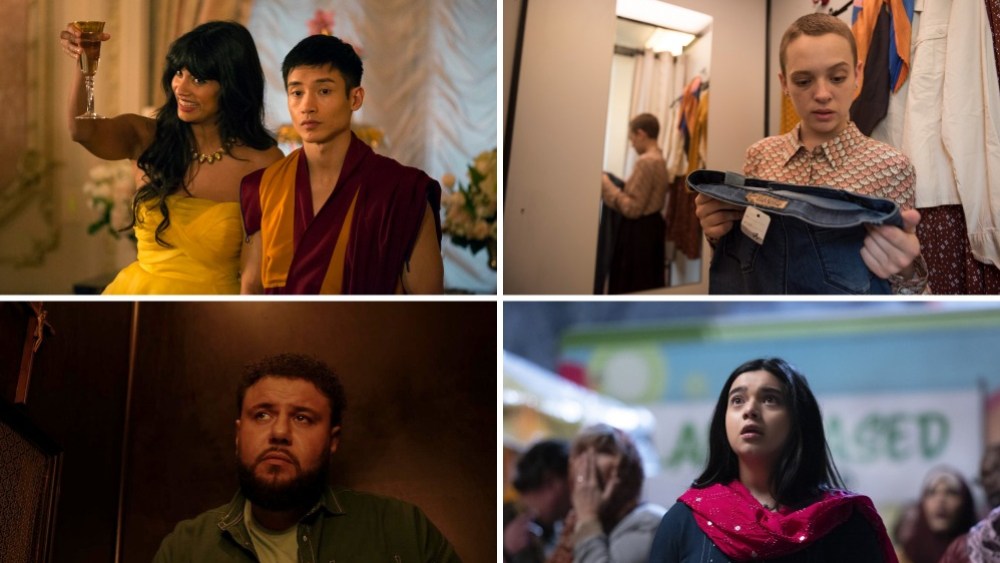
Industry executives appear receptive to these insights, with representatives from Netflix, Amazon, and other major studios attending a presentation of the findings. According to the study’s lead researcher, integrating spirituality-forward storytelling across different content divisions—not just dedicated faith-based programming—presents a significant opportunity. Young audiences cited several existing productions as positive examples, including “Ms. Marvel,” “The Good Place,” and “Unorthodox,” which demonstrate how complex spiritual narratives can resonate with viewers seeking authentic representation.
Originally reported by Variety →
About the Author