
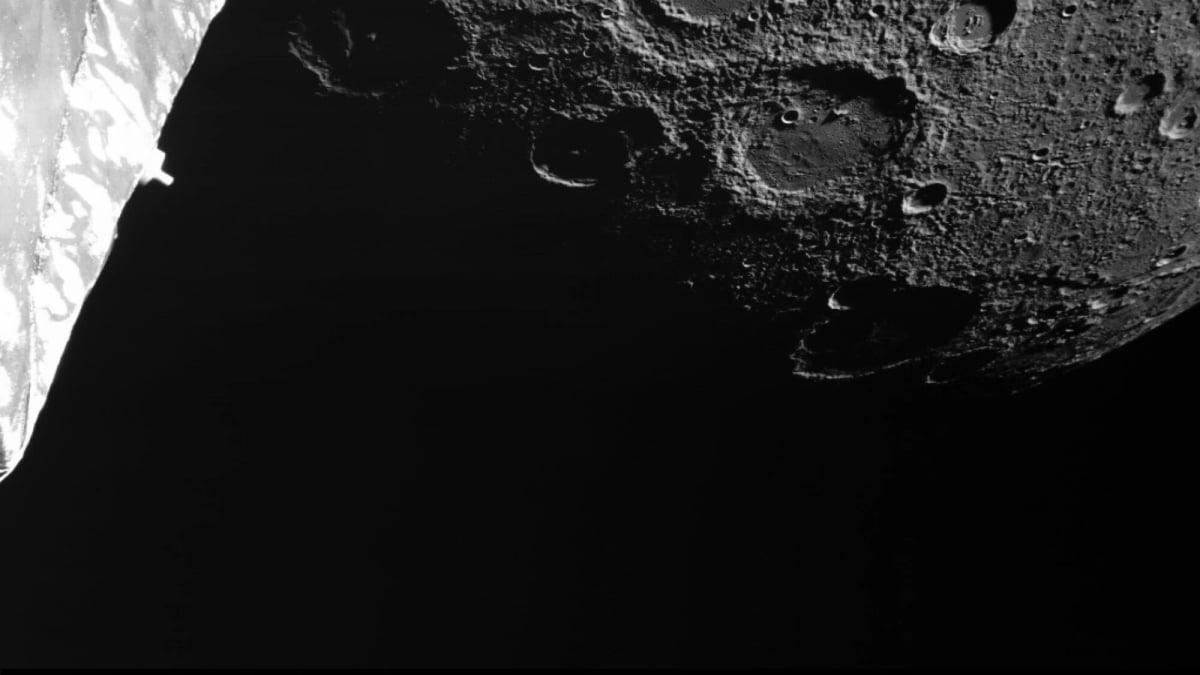
Mercury is contracting significantly more than scientists previously believed, according to new research. The innermost planet has shrunk approximately 30 percent beyond earlier estimates since its formation 4.5 billion years ago. As Mercury’s iron core gradually cools, the entire planet contracts like a grape drying into a raisin. This process causes the surface to buckle and crack, creating massive cliffs and ridges visible from space.
Researchers discovered that earlier measurements had underestimated the planet’s contraction because surface features were obscuring the true extent of shrinkage. A team led by planetary scientist Gaku Nishiyama compared roughness maps with tectonic structure maps and found that meteor impact zones contained fewer visible wrinkles. Thick debris from major collisions, including the enormous Rachmaninoff crater, had hidden evidence of contraction beneath the surface. After accounting for these concealed features, the team recalculated Mercury’s total shrinkage and published their findings in Geophysical Research Letters.
The revised calculations suggest Mercury has lost up to 14.5 miles of its diameter, which represents a substantial portion of the planet’s 3,000-mile width. This greater contraction rate could indicate Mercury possesses a much larger metal core than previously thought, potentially rewriting scientists’ understanding of the planet’s formation and early history. The findings may also help explain how such a small world maintained its magnetic field.
The European Space Agency’s BepiColombo spacecraft will soon provide verification of these findings. The mission is scheduled to enter Mercury’s orbit in November, equipped with advanced laser instruments to detect surface details that earlier missions could not capture.
Originally reported by Mashable →
About the Author