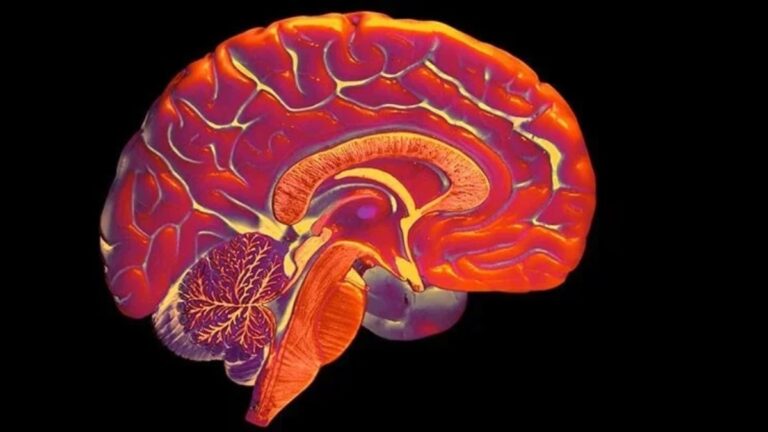

Researchers are investigating whether estrogen replacement therapy may help reduce dementia risk in women, particularly given that women develop Alzheimer’s disease more frequently than men. The hypothesis centers on how hormone levels shift during menopause, when the body’s production of estrogen and progesterone drops significantly. Laboratory and animal studies suggest estrogen plays important roles in maintaining brain cell structure and preventing the buildup of harmful proteins associated with Alzheimer’s disease.
However, clinical evidence remains mixed. A recent study published in Neurology found that women taking estrogen-only hormone replacement therapy showed fewer brain changes linked to Alzheimer’s and experienced better cognitive outcomes compared to untreated women. Yet another large observational study from 2023 reached opposite conclusions, associating estrogen-only therapy with increased dementia risk. These conflicting results highlight the need for more rigorous research to determine whether hormone therapy truly protects brain health.
Timing may prove critical in resolving this question. Research suggests that beginning hormone replacement therapy during early menopause, around ages 46 to 56, showed promise for reducing dementia risk, while initiating treatment after age 65 was linked to worse cognitive outcomes. Women who underwent surgical removal of their ovaries represent an exception—evidence indicates this population may benefit most from hormone therapy due to their abrupt hormone loss.
Experts emphasize that current evidence does not yet support prescribing hormone replacement therapy specifically for dementia prevention in most women. Researchers stress the need for properly designed clinical trials following women through the menopausal transition to better understand how hormone therapy affects long-term brain health and dementia development.
Originally reported by Livescience →
About the Author