Saber-Toothed Cats Were A Diseased, Inbred Mess Before They Went Extinct, New Research Suggests
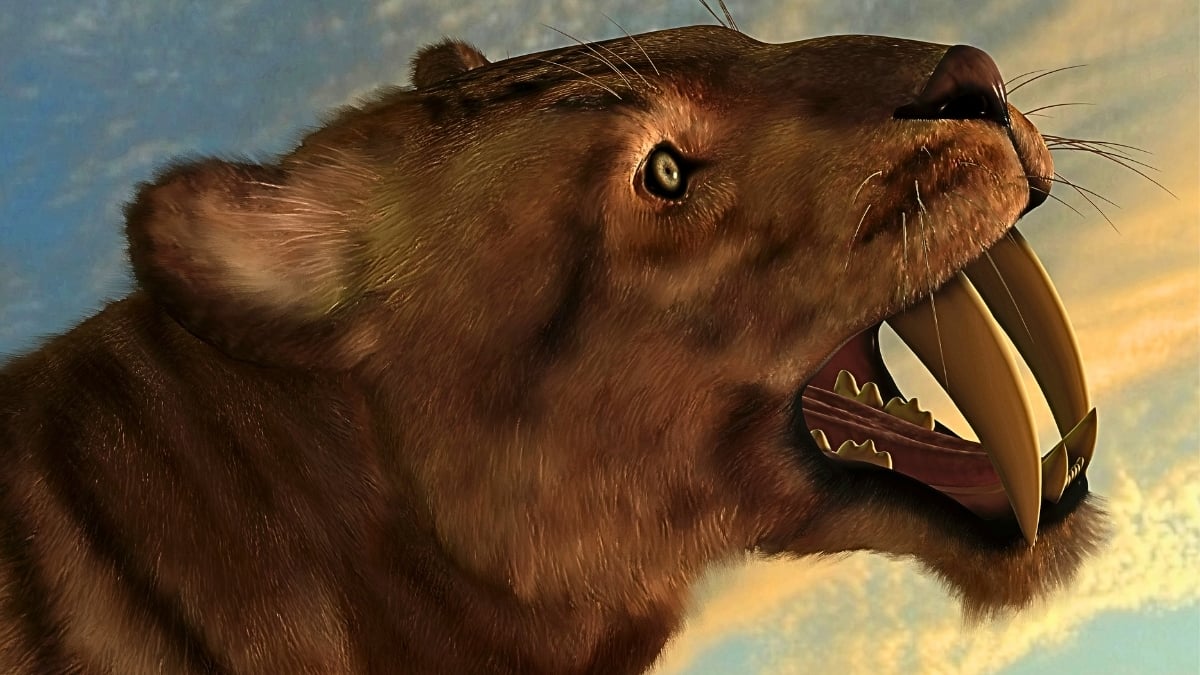 A sad demise for a spectacular creature.
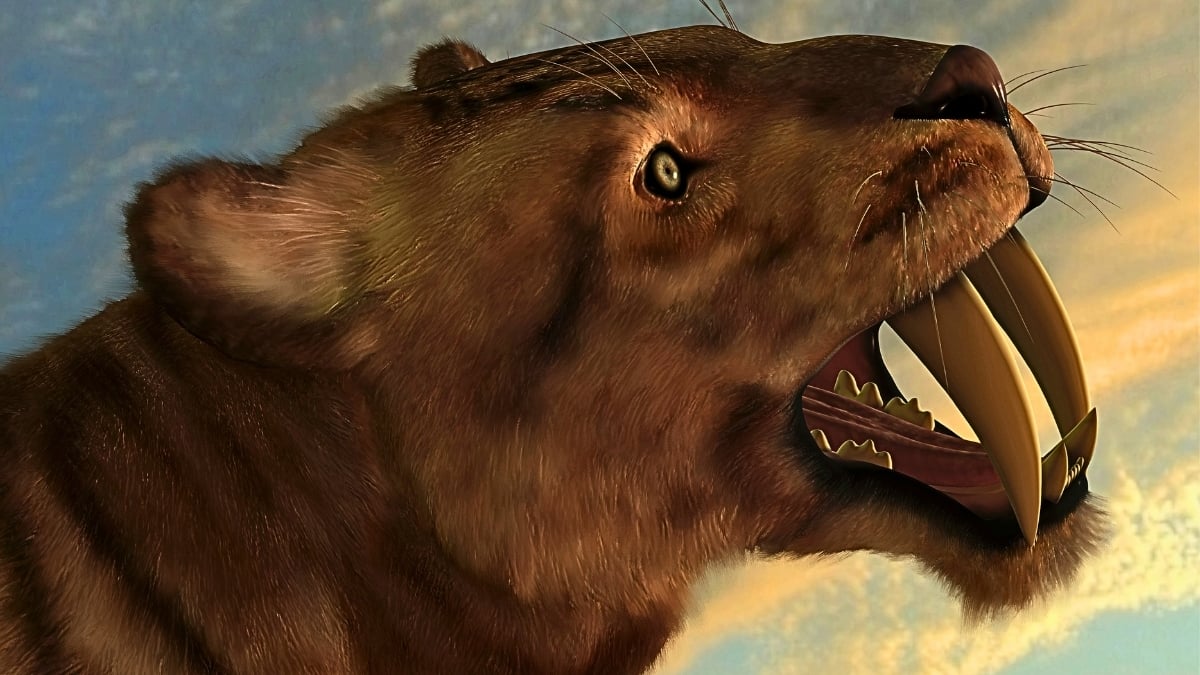
A new study examining fossilized remains from California’s La Brea Tar Pits reveals that saber-toothed cats may have suffered from serious health problems before their extinction roughly 12,000 years ago. Researchers analyzed over 3,700 vertebrae from at least 849 individual Smilodon fatalis specimens, looking for signs of disease and genetic abnormalities. The massive predators, which could weigh up to 600 pounds, appear to have been plagued by chronic inflammatory conditions and skeletal deformities.
The fossil evidence uncovered numerous congenital spinal malformations, including more than 200 abnormal vertebrae and approximately 50 fused vertebrae. Most striking was the discovery of spinal nerve tumors in three individuals—a rate significantly higher than what modern humans experience. These tumors would have caused pain and muscle deterioration in living animals, potentially compromising their ability to hunt effectively in an already challenging environment.
Scientists believe the prevalence of these conditions suggests that the saber-toothed cat population was suffering from inbreeding as numbers declined toward extinction. While the researchers cannot definitively prove this theory without DNA analysis, the physical evidence points to a species in genetic distress. The findings carry important implications for modern conservation efforts, demonstrating how shrinking populations face cascading health crises that accelerate their decline.
Originally reported by Sciencealert →
About the Author