Ukraine has announced successful completion of a military operation in the southern Dnipropetrovsk region, reclaiming approximately 745 square kilometers of territory and liberating 26 settlements. President Volodymyr Zelenskyy stated the campaign achieved its objectives as planned, with Russian forces suffering nearly 10,000 casualties during the offensive. The operation reversed most territorial gains Russia had made in the region since June 2025.
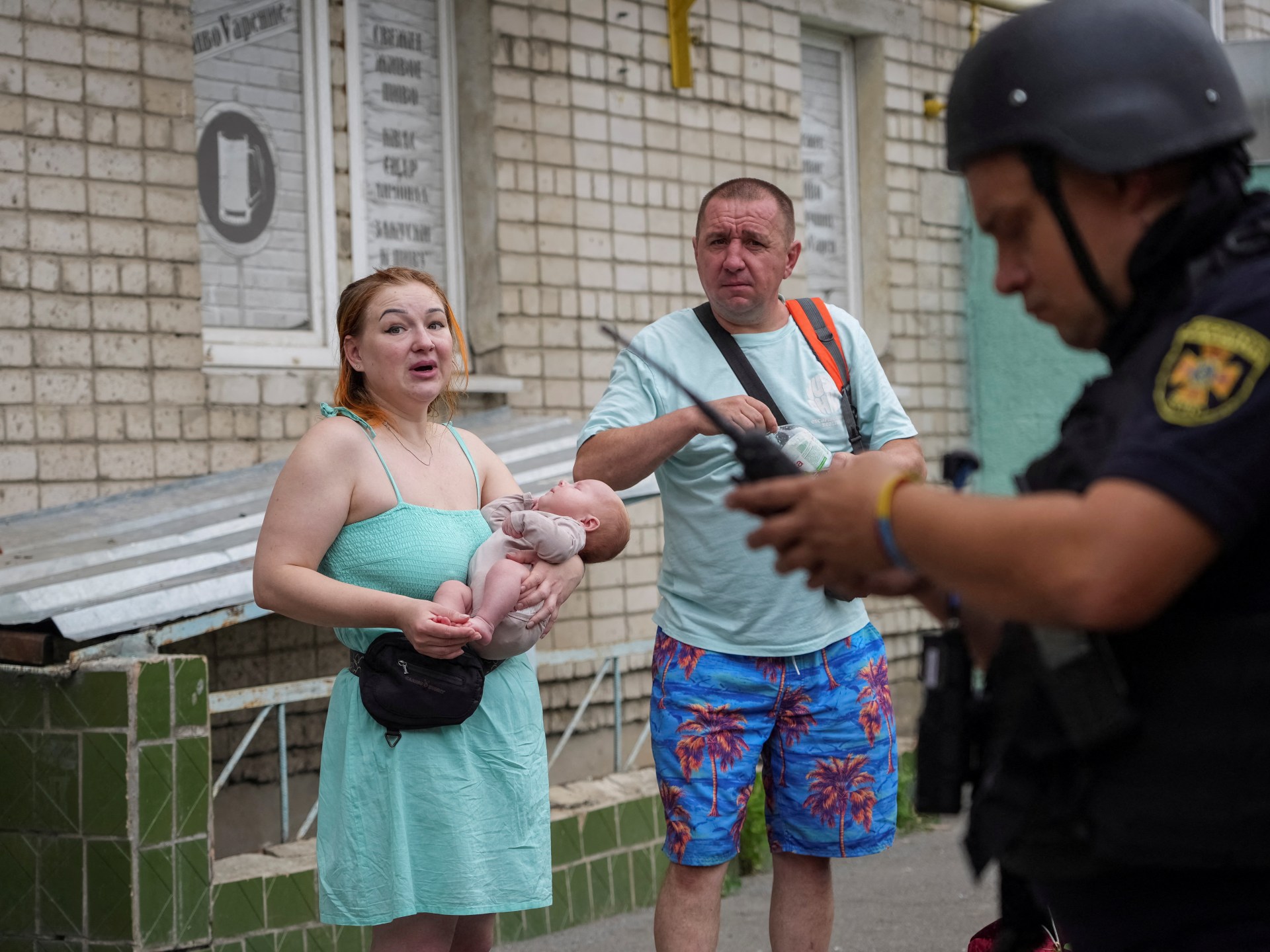
Despite these battlefield successes, Ukrainian cities face mounting threats from intensified Russian missile bombardments. Recent strikes targeting Kyiv, Odesa, and Zaporizhzhia have killed at least nine civilians and left portions of the country without power. Ukraine’s defensive capabilities have been severely compromised by dwindling supplies of Patriot air defense interceptors, forcing the country to absorb increasingly heavy aerial assaults.
Russia has shifted its military strategy toward ballistic and hypersonic missile production, diverting manufacturing components away from other weapons systems. Monthly launches have escalated dramatically, reaching 198 such missiles in July alone—the highest volume recorded this year. Military analysts indicate Russia plans further increases in these strikes as part of a larger winter campaign.
Ukraine has partially offset its challenges through scaled-up production of first-person view drones, now maintaining a 16-to-10 operational advantage over Russian equivalents. The technology accounted for over 70 percent of Russian casualties during summer months, demonstrating the tactical importance of unmanned systems in the conflict.
Originally reported by Aljazeera →
About the Author