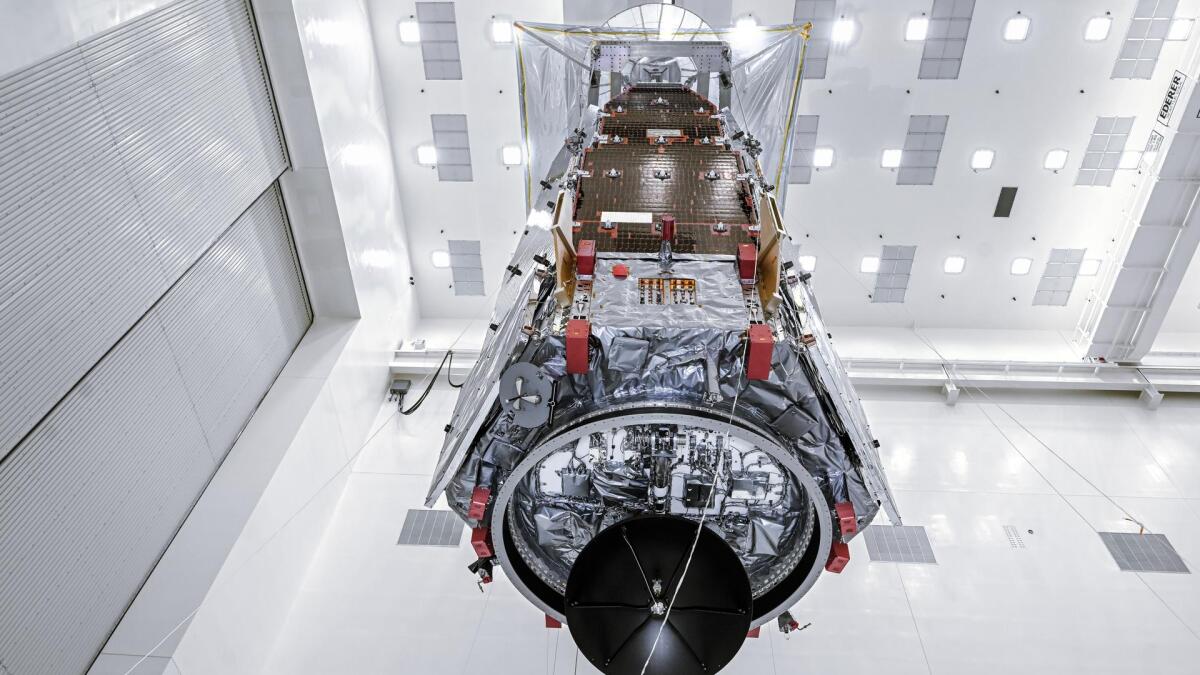
NASA’s Nancy Grace Roman Space Telescope will transmit approximately 1.4 terabytes of observational data daily, fundamentally transforming how astronomical research is conducted and distributed globally. The instrument’s unprecedented data volume necessitates an innovative approach to science operations, moving away from traditional methods where researchers download images to personal computers.
To manage this information explosion, the Space Telescope Science Institute will process Roman’s raw signals into refined images and measurements, then host everything on a cloud-based platform called the Roman Research Nexus. This shared online workspace enables scientists worldwide to access observations simultaneously through internet browsers, eliminating geographical and institutional barriers that previously restricted participation in cutting-edge astronomy. Collaborative research becomes seamless, allowing teams across continents to analyze identical data in real-time.
Roman’s capabilities justify this technological shift. Its camera combines Hubble-quality resolution with a field of view over 100 times larger, enabling it to scan the Milky Way’s plane and identify approximately 20 billion stars within one month. The telescope will catalog more than 2 billion galaxies, monitor stellar explosions to measure cosmic expansion, and discover distant planets through gravitational microlensing techniques.
Mission leaders emphasize that cloud-based distribution democratizes astronomy research. High school classes, international researchers lacking billion-dollar observatories, and citizen scientists can now access identical datasets as leading institutions. This represents a deliberate departure from historical models where limited personnel controlled telescope access and data analysis capabilities, fundamentally reshaping who can make significant astronomical discoveries.
Originally reported by Mashable →
About the Author