
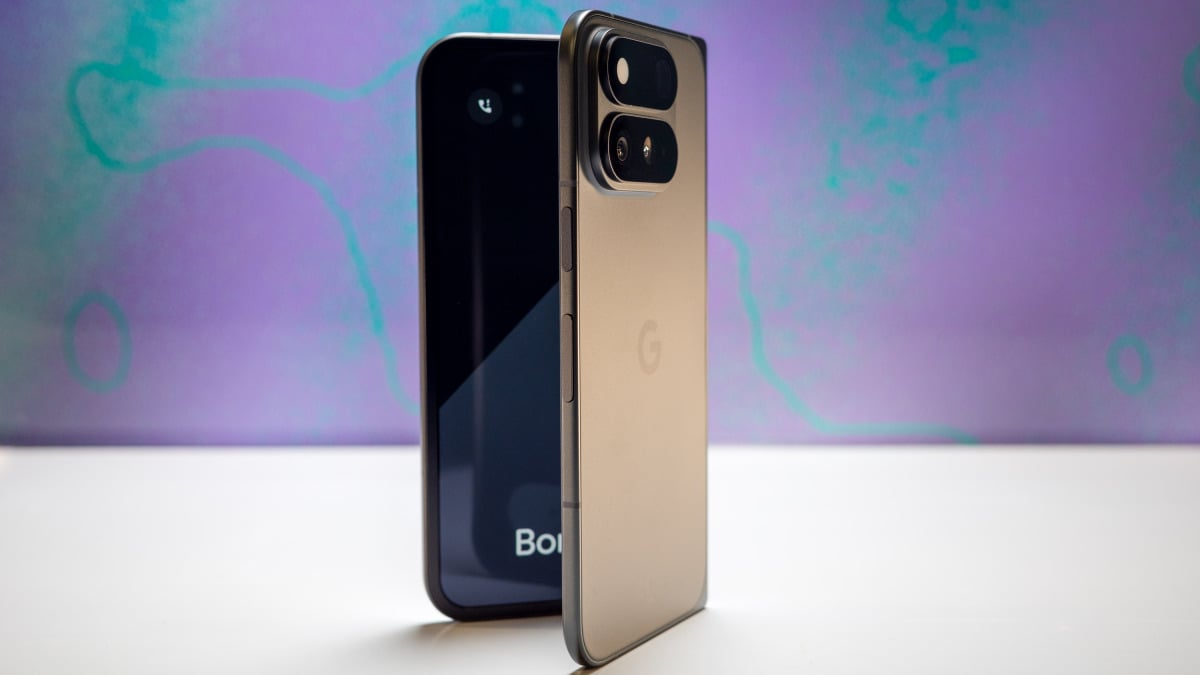
Google has made significant strides in the foldable smartphone market with its latest Pixel 11 Pro Fold, creating a more competitive offering against Samsung’s Z Fold 8 Ultra. While Samsung’s device still holds advantages in certain areas, Google’s newest model represents a substantial step forward from its predecessor with meaningful improvements in design and functionality.
The most notable enhancement is the device’s physical form factor. Google reduced the thickness from 10.8mm to 10.1mm when folded and from 5.2mm to 5.0mm when unfolded, while simultaneously cutting weight from 258 grams to 239 grams. This makes the phone considerably more comfortable to hold and use. However, the $1,899 starting price represents a significant $400 increase from last year’s model, a jump that may concern budget-conscious consumers despite improvements in display brightness and camera capabilities.
The camera system stands out as a major advantage for Google’s offering. Despite having a modest 48-megapixel main sensor compared to Samsung’s 200-megapixel lens, Google’s computational photography delivers superior results, particularly with digital zoom. The new Magic Capture feature, which extracts still images from video, proves genuinely useful for capturing moving subjects. Additional features like an expanded inner display brightness to 3,600 nits and the new HiLight notification light round out the package, though the HiLight’s limited functionality at launch feels underdeveloped.
Originally reported by Mashable →
About the Author