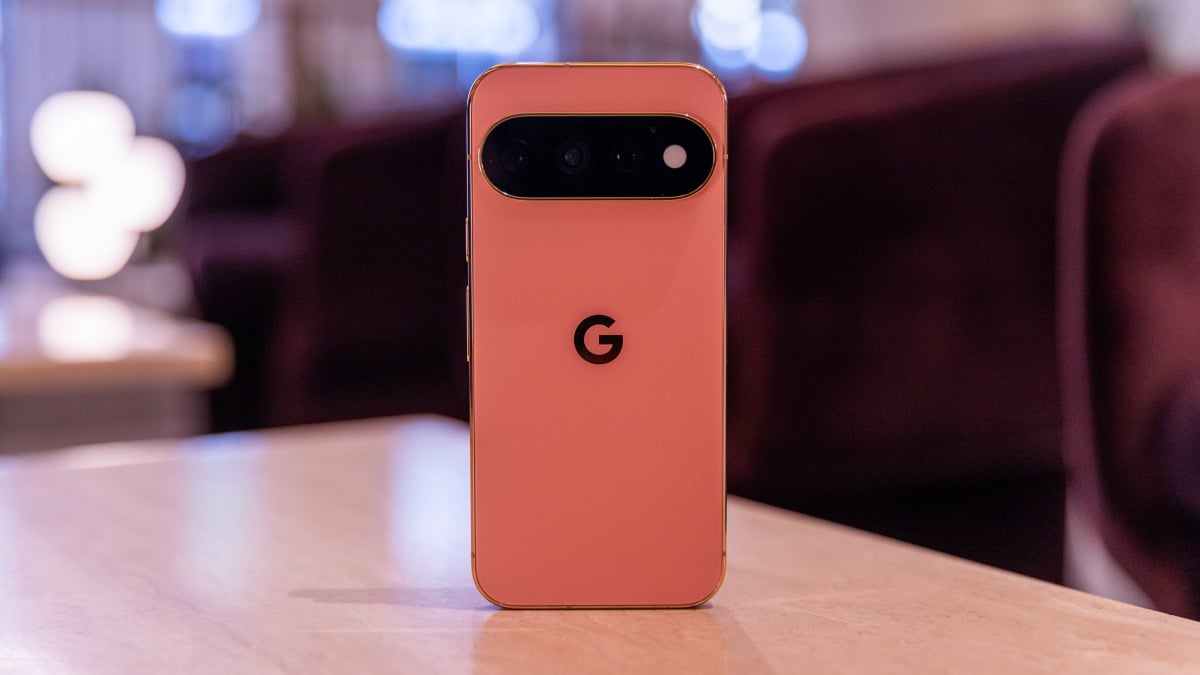
Google’s latest flagship smartphone, the Pixel 11 Pro, arrives with a starting price of $1,099—a $100 jump from its predecessor. While the device maintains the same 6.3-inch display dimensions as last year’s model, it does receive a brightness boost to 3,600 nits peak brightness, improving outdoor visibility. However, the entry-level 256GB version now comes with 12GB of RAM instead of 16GB, marking an unwelcome step backward for consumers seeking the base configuration.
The phone’s headline feature, HiLight, proves to be a significant disappointment. This light module integrated into the camera bar activates only during Gemini use or phone calls—scenarios that occur infrequently for most users. As a notification system when the device is face-down, HiLight fails to justify its presence as a meaningful innovation. Additionally, the camera bar itself is noticeably thicker than on the standard Pixel 11.
Where the Pixel 11 Pro truly excels is its imaging capabilities. The combination of hardware and computational photography delivers consistently excellent results across various lighting conditions. Features like Magic Capture—which extracts high-quality still images from video—and the enhanced 120x digital zoom showcase Google’s imaging prowess. Night Sight performance impresses, and macro photography capabilities deliver sharp, detailed close-ups. For photography enthusiasts, the Pixel 11 Pro proves itself the standout device in the Pixel 11 lineup, delivering performance and battery life that adequately support its premium positioning.
Originally reported by Mashable →
About the Author