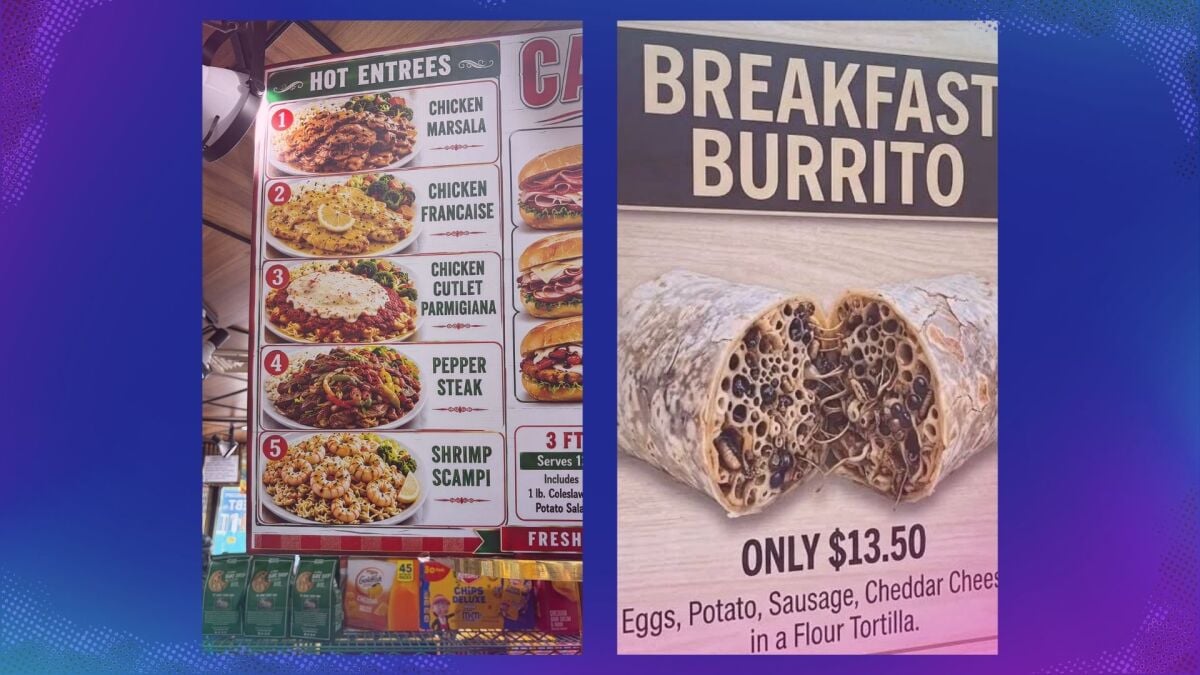
Social media users are rallying against restaurant menus featuring artificially generated food imagery, sparking widespread criticism across multiple platforms. Tech reporter Sam Biddle recently highlighted a deli display with oddly shaped bagels and unnaturally smooth ingredients, prompting others to share similar unsettling examples from establishments nationwide. The images feature disturbing visual qualities including honeycomb-textured buns, melted ingredients, and text riddled with errors, leading many to describe the pictures as physically repulsive and appetite-suppressing.
The backlash extends beyond aesthetic complaints. Consumers view synthetic menu photos as deceptive marketing that undermines trust in dining establishments. Several small businesses facing online mockery have responded by removing AI-generated displays and replacing them with authentic photographs or handwritten signage. Some restaurants have capitalized on public sentiment by publicly pledging not to use artificial imagery, garnering thousands of social media interactions. Industry observers note that customers increasingly prefer imperfect, human-made marketing materials over polished synthetic versions.
This restaurant controversy reflects broader internet fatigue with low-quality artificial intelligence content. Major platforms including Pinterest, Snapchat, and LinkedIn have implemented features allowing users to minimize synthetic content in their feeds. Merriam-Webster designated “slop” as its 2025 Word of the Year, defining it as inferior digital material generated through artificial intelligence technology. The restaurant menu debate demonstrates that businesses overlooking consumer preferences risk significant reputational damage and lost patronage when prioritizing cheap automated solutions over authentic representation.
Originally reported by Mashable →
About the Author