
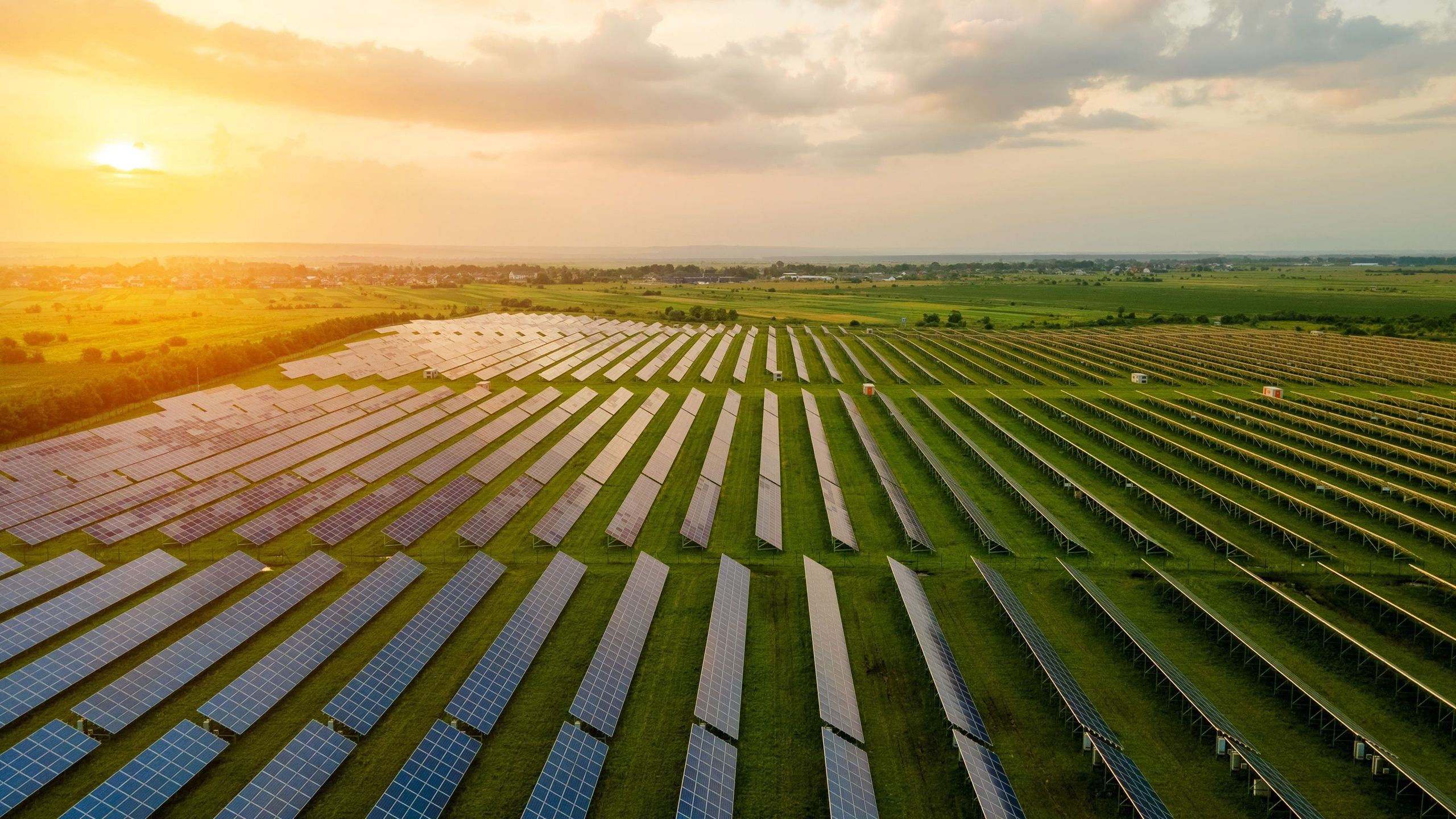
A new computational model demonstrates that combining agricultural production with solar panel installations offers multiple advantages over traditional farming methods. Researchers developed a simulation system that tracks how energy, water, air movement, and carbon dioxide interact within agrivoltaic systems—agricultural areas situated beneath or around solar panels. The model was validated using field measurements from California and Minnesota locations before being applied to hypothetical scenarios.
When tested on a simulated tomato farm using weather conditions representative of New Jersey’s mid-Atlantic climate, crops grown beneath solar panels experienced significantly cooler leaf temperatures compared to open-field cultivation. Daytime leaf temperatures were approximately 1.84 degrees Celsius lower overall and up to 7.56 degrees Celsius cooler during peak afternoon hours, which reduced water loss by more than one-fifth. Despite receiving 47 percent less sunlight, the shaded crops showed only a 31 percent decline in carbon uptake, suggesting that temperature reduction partially compensated for reduced light exposure.
The solar panels themselves also benefited from the arrangement, running 5.6 degrees Celsius cooler during daylight hours when installed over crops rather than bare soil, recovering approximately 15 percent of efficiency typically lost to heat. Additionally, perceived temperatures for workers decreased by 4.46 degrees Celsius during working hours, indicating substantial occupational health improvements. Researchers indicate their model can be adapted to evaluate agrivoltaic effectiveness across different climate zones and crop varieties.
Originally reported by Livescience →
About the Author