Interacting With AI Might Make You Act ‘More Robot-Like’, Researchers Warn
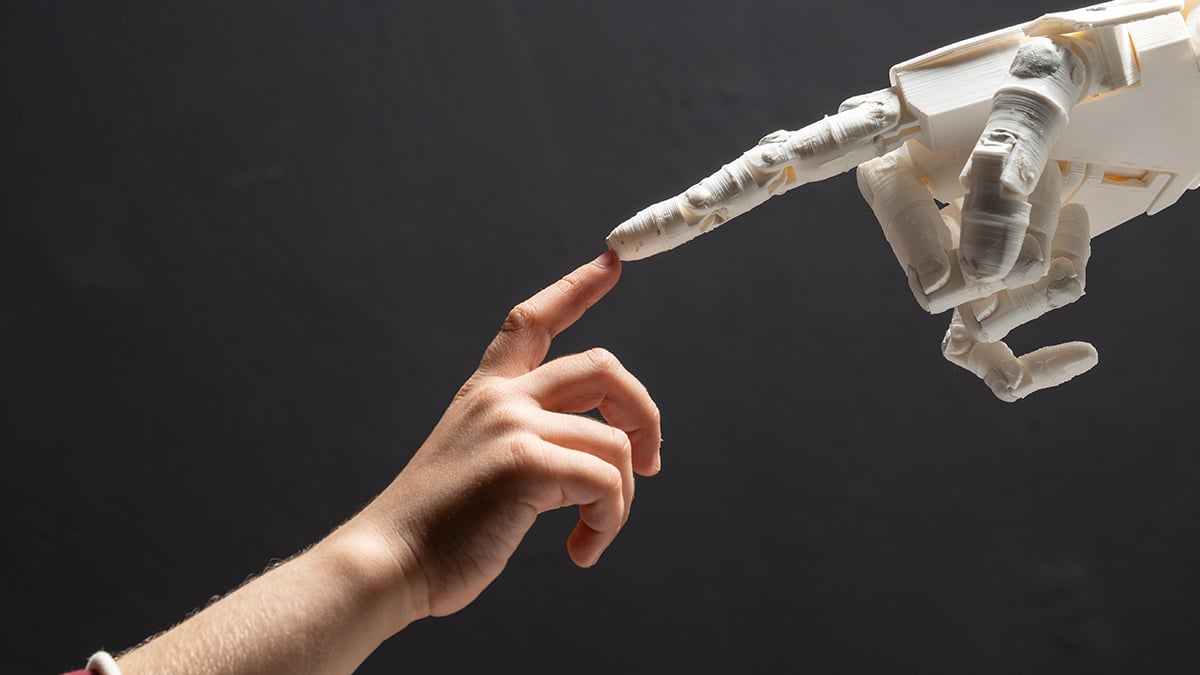 Could AI be changing us?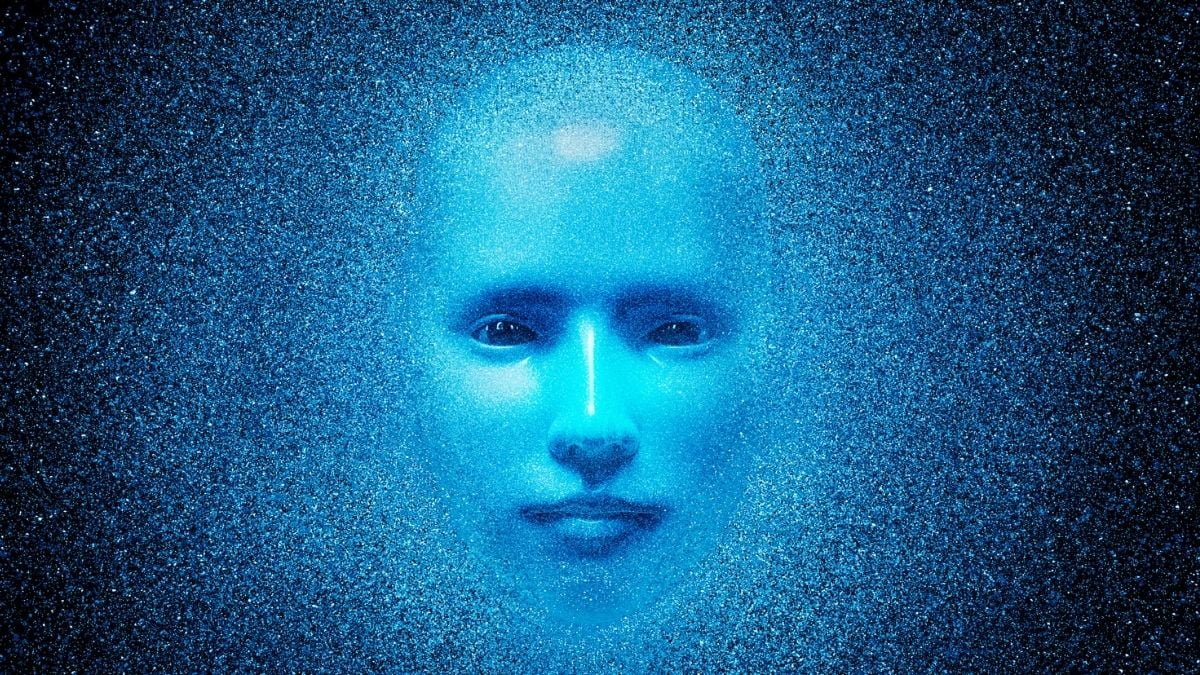
“`html
A new theoretical study published in AI & Society raises concerns about how frequent interactions with artificial intelligence might subtly alter human behavior and communication patterns. Researchers propose that as people spend more time engaging with AI customer service tools, they may unconsciously begin adopting communication styles that are easier for algorithms to process, gradually becoming more “robot-like” in their expression.
The international research team describes this phenomenon as “robotoid humanness,” suggesting a bidirectional influence where AI systems become increasingly human-like while simultaneously encouraging users to become more machine-like. As AI technology advances in mimicking human gestures, speech, and emotional cues, the boundary between human and machine interaction blurs. This creates an environment where personalized, algorithm-driven responses reward users for conforming to predictable patterns rather than expressing their natural idiosyncrasies.
According to the researchers, this dynamic differs fundamentally from typical human interaction. While feedback from real people is often unpredictable and uncontrolled, AI responses operate on statistical models and optimization algorithms. Over repeated encounters, users may implicitly adjust their communication to align with what generates the most satisfying responses, potentially narrowing the full spectrum of human expression.
The study remains entirely theoretical, with no experimental testing conducted on human subjects. However, researchers emphasize the importance of understanding these dynamics as AI becomes increasingly prevalent in customer service. They call for greater awareness of how digital tools may shape human behavior and identity during everyday interactions.
“`
Originally reported by Sciencealert →
About the Author