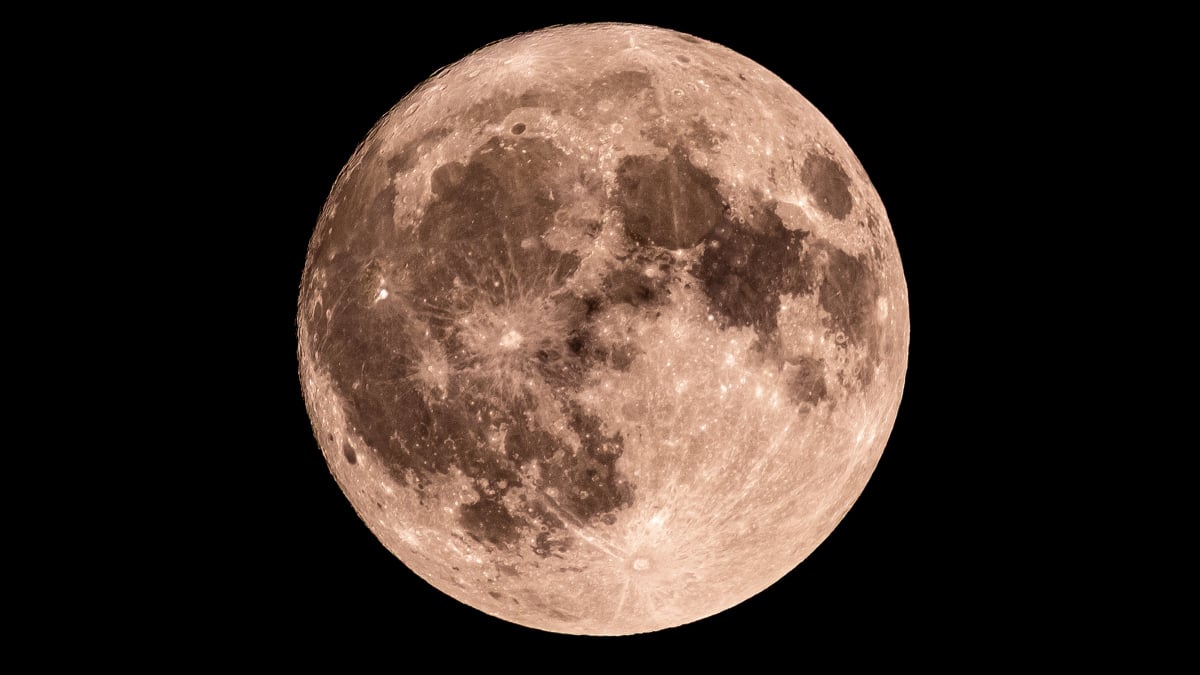
On August 24, the Moon reaches its Waxing Gibbous phase with 86 percent of its surface illuminated, according to NASA’s tracking data. This stage occurs just days before the lunar cycle completes with a Full Moon, making it an ideal time for skygazers to observe surface details.
Observers with unaided eyes can spot several prominent lunar features tonight, including the Mares Vaporum, Tranquillitatis, and Fecunditatis. Those equipped with binoculars will gain access to additional formations such as the Clavius Crater and the Mare Frigoris. Telescope users can even identify the historic Apollo 11, 14, and 17 landing sites on the lunar surface.
The Moon completes a full orbital cycle around Earth approximately every 29.5 days, cycling through eight distinct phases. This progression is determined by the relative positions of the Sun, Earth, and Moon, which control how much of the illuminated lunar surface is visible from our planet. The upcoming Full Moon will occur on August 28, completing the current lunar month.
Originally reported by Mashable →
About the Author