
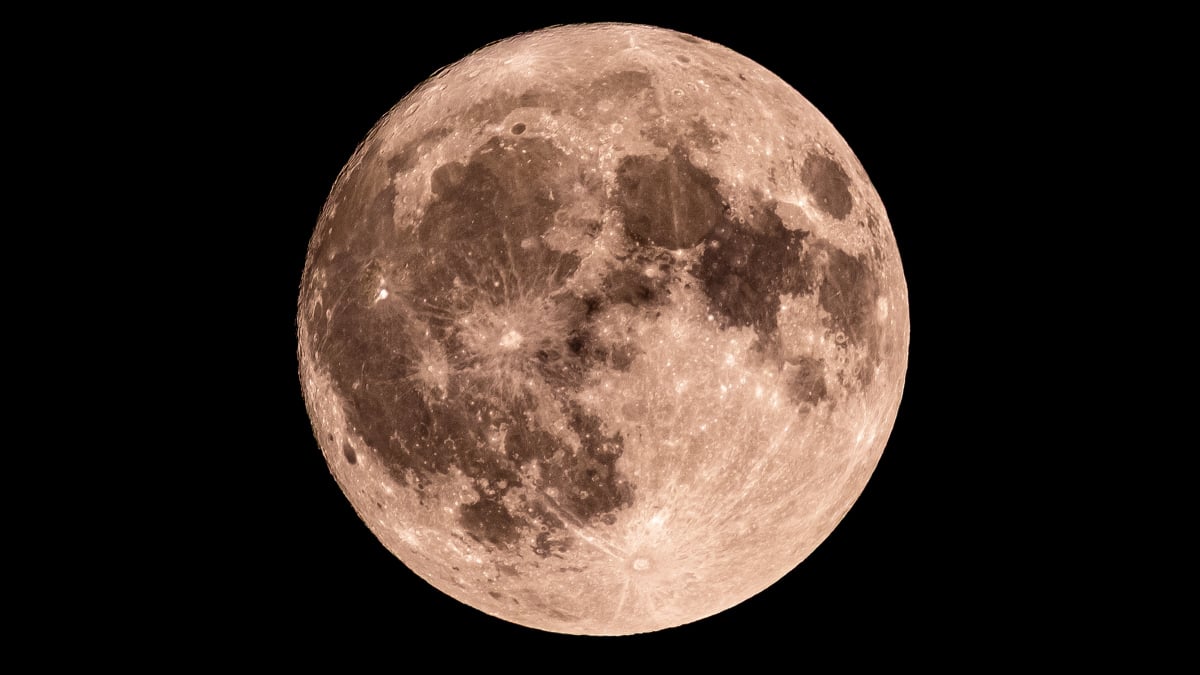
Observers looking skyward on August 14 will encounter a modest lunar display. According to NASA’s tracking data, the Moon is currently in its waxing crescent phase, with merely 3% of its surface illuminated and visible from Earth. This marks the period following the recent New Moon, when our satellite begins its gradual return to fuller visibility.
The lunar cycle follows a predictable pattern spanning approximately 29.5 days. As the Moon orbits Earth, the relative positions of our planet, the Sun, and the Moon constantly shift, determining how much of the Moon’s illuminated side becomes visible to observers below. This cyclical dance produces eight distinct phases that repeat throughout the month.
Those anticipating a more dramatic celestial display will need to wait two weeks. The next Full Moon is scheduled to occur on August 28, when the entire lunar surface will be brilliantly illuminated. Until then, night-sky enthusiasts can expect to witness the gradual brightening of the Moon as it progresses through its waxing phases, starting with the thin crescent currently visible.
Understanding Moon phases helps explain why Earth’s natural satellite appears so dramatically different throughout the month. Each phase—from New Moon through waxing crescent, quarter, gibbous, and full—represents a specific point in the Moon’s orbital journey around our planet.
Originally reported by Mashable →
About the Author