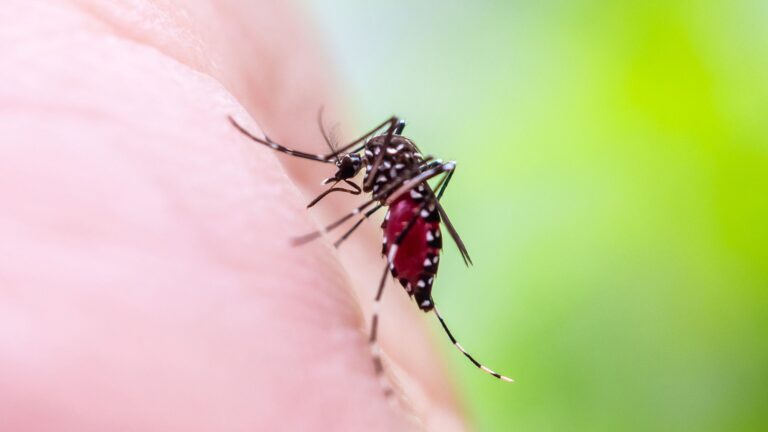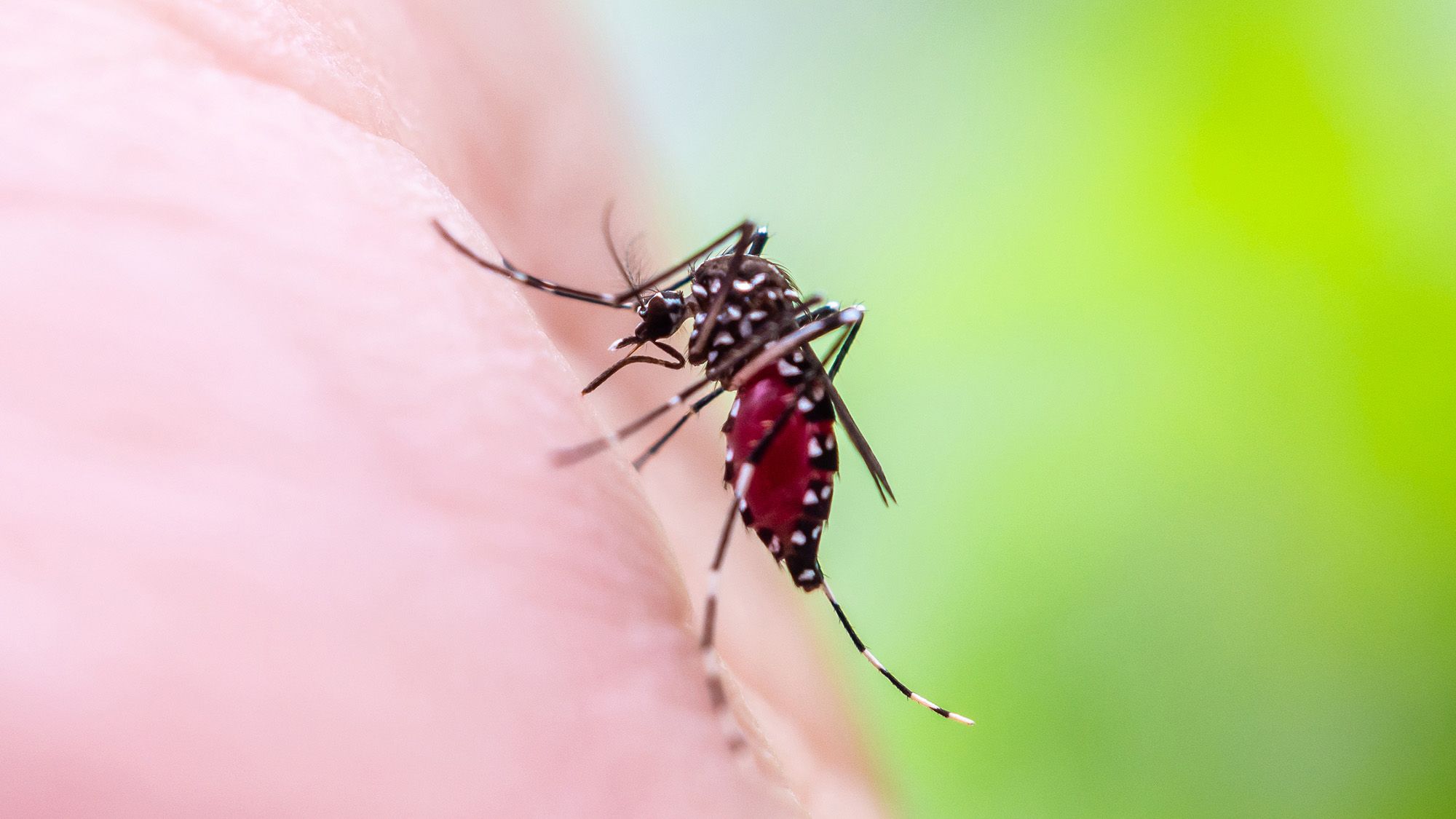
Yellow fever, a disease that once devastated populations across multiple continents, is experiencing a concerning resurgence in regions where it had been absent for decades. Scientists attribute this reemergence primarily to climate change, which is expanding the range of mosquitoes that transmit the virus and creating conditions favorable for outbreaks. The disease, which kills an estimated 31,000 to 82,000 people annually, has historically been controlled through vaccination efforts that began in 1937.
Rising temperatures and changing weather patterns are key factors driving the disease’s spread. Warmer conditions increase mosquito metabolism, causing them to bite more frequently and reducing the time the virus needs to develop within infected insects. Additionally, extreme weather—whether droughts or heavy rainfall—can push virus-carrying animals closer to human populations. A 2017-2018 outbreak in Brazil demonstrated this pattern, with drought conditions forcing forest mosquitoes and primates carrying the virus toward cities in search of water.
The geographic edges where cities meet forests are becoming particularly vulnerable zones. As humans expand into forested areas for agriculture and development, they increase contact with wildlife and mosquitoes that harbor yellow fever. New cases have already appeared in previously unaffected regions of Africa and South America, prompting updated risk maps. Experts warn that the mosquito species responsible for urban transmission may eventually establish populations in North American cities including Philadelphia and New York, which experienced major outbreaks historically.
While yellow fever remains rare in the United States currently due to international vaccination and mosquito control campaigns, scientists acknowledge reintroduction is possible if the virus reaches local mosquito populations through infected travelers. However, experts note that developed nations’ infrastructure and healthcare access would likely prevent outcomes as catastrophic as those seen in developing regions. Surveillance, forest conservation, and widespread vaccine accessibility remain crucial strategies for preparedness.
Originally reported by Livescience →
About the Author