Russia’s economy is showing signs of strain despite benefiting from higher oil revenues linked to Middle East tensions. Four years into the Ukraine conflict, economic growth is expected to decelerate to its slowest rate since 2022, while the government’s budget deficit continues to widen. Ukrainian military operations are also penetrating deeper into Russian economic infrastructure, creating additional pressure on key sectors.
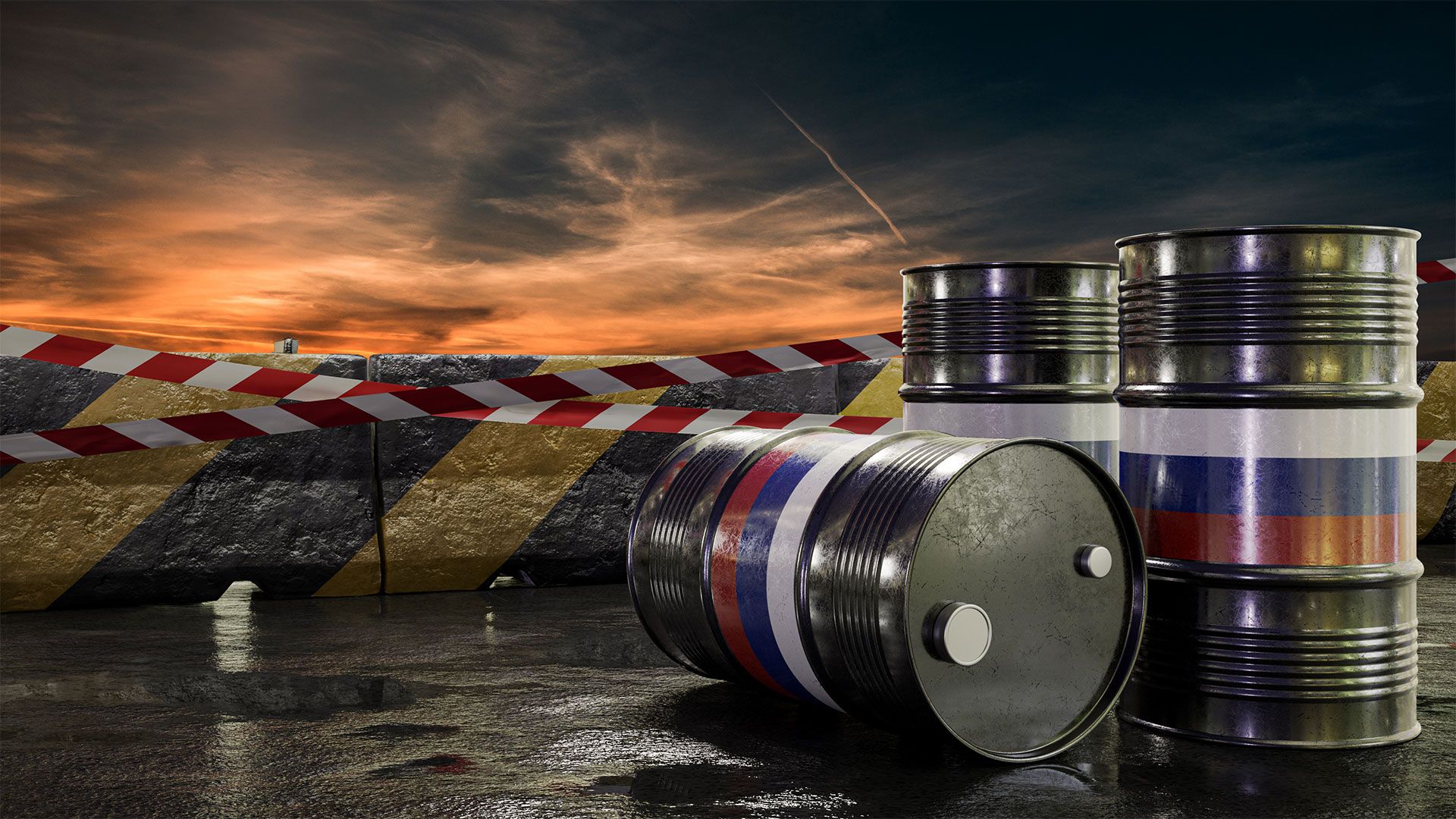
Moscow has maintained substantial financial reserves exceeding $300 billion in readily available funds, which have helped cushion the impact of Western sanctions that many analysts predicted would cripple the economy sooner. The escalating tensions in the Middle East have temporarily bolstered Russia’s position by elevating global energy prices and increasing export revenues for the energy sector.
However, efforts to undermine this advantage are intensifying. The United States Senate has approved potential tariffs reaching as high as 100 percent on Russian energy imports, representing a significant move to eliminate the financial benefits Russia has gained from elevated oil and gas prices. These developments suggest that despite recent windfalls, Russia’s economic resilience may face mounting challenges in the coming months.
Originally reported by Aljazeera →
About the Author