“`html
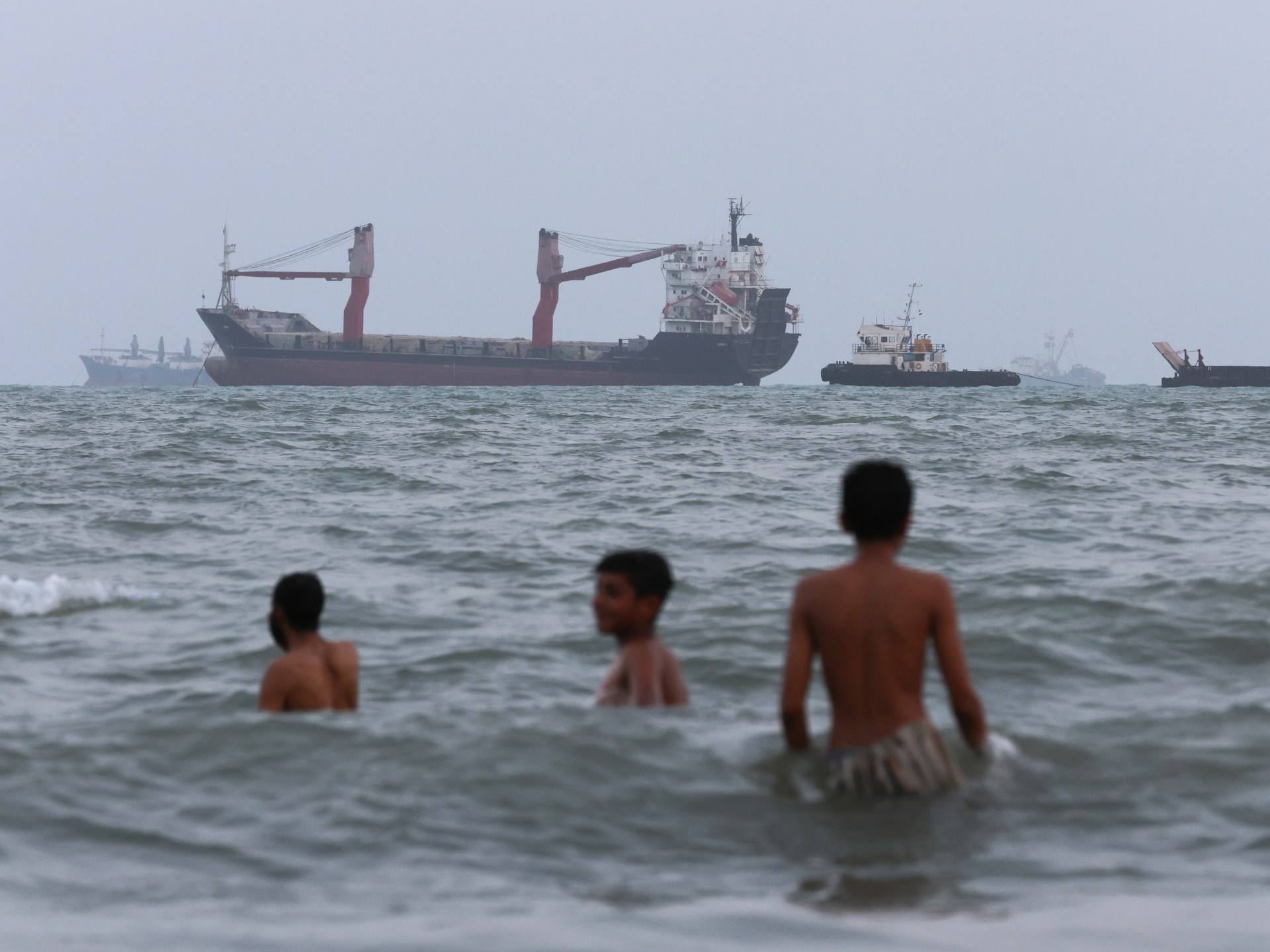
Negotiations between the United States and Iran over reopening the Strait of Hormuz have taken a turn for the worse, with both nations introducing fresh demands that complicate efforts toward a broader peace settlement. The critical waterway, which handles approximately one-fifth of global oil and liquefied natural gas trade, has remained largely closed since fighting between the two countries began five months ago. Discussions are technically proceeding through Oman as an intermediary, though the gap between the parties continues to widen.
Iran has presented six new conditions for reopening the strait, ranging from an immediate cessation of military threats to the lifting of economic sanctions and the unfreezing of national assets. Meanwhile, President Trump has countered by demanding financial reparations from Iran for alleged damages spanning five decades, including attacks on American military personnel and civilians. These competing claims have intensified tensions rather than moved the parties toward compromise.
The escalating rhetoric is already affecting global energy markets, with oil prices jumping significantly following Trump’s compensation announcement. Analysts suggest that progress on the Strait of Hormuz remains unlikely unless both sides moderate their positions, and broader peace talks appear increasingly distant. The situation reflects a fundamental disconnect between the two nations’ core demands, raising concerns about when normal shipping through this vital corridor might resume.
“`
Originally reported by Aljazeera →
About the Author