“`html
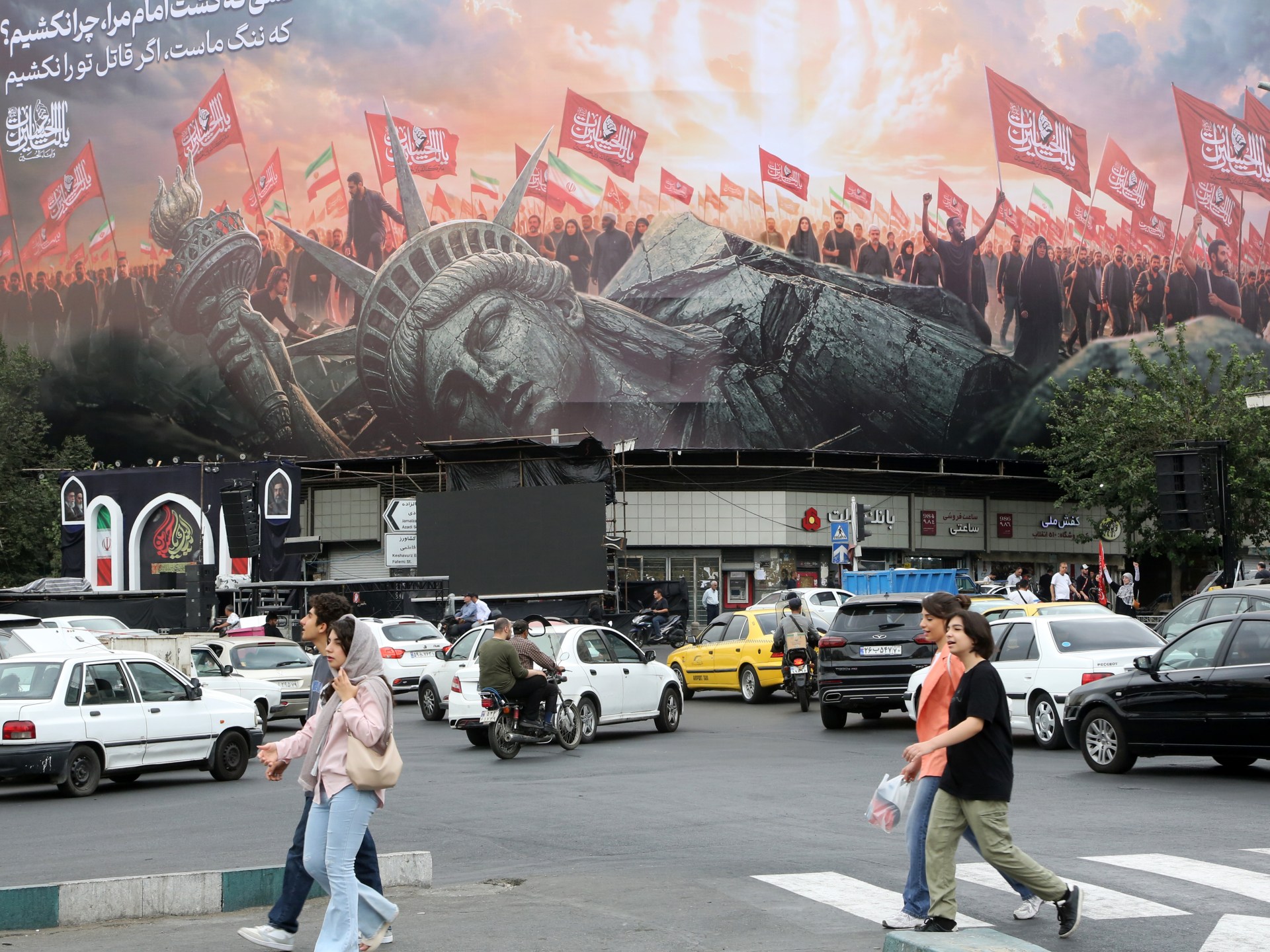
More than five months into military conflict between the US, Israel and Iran, prospects for a negotiated settlement remain uncertain. Iranian officials have stated that direct talks with Washington are not currently occurring, while hostile messaging continues from Tehran. However, some analysts argue that ideological opposition alone does not prevent diplomatic breakthroughs.
According to constitutional provisions established in 1989, the Islamic Republic prioritizes regime survival above all other considerations, including religious law. This principle, known as hefz-e nezam, created an institutional framework allowing leadership to deviate from stated positions when necessary for state preservation. This mechanism suggests that opposition to Western and Israeli interests, while central to Iran’s public messaging, remains subject to recalculation when circumstances demand.
Iran’s anti-imperialist stance appears selective rather than absolute. While the nation resists external pressure on its own territory, its regional activities in neighboring countries have often prioritized security interests over principles of sovereignty and self-determination. This pattern reflects standard state behavior found globally, where survival considerations typically override ideological commitments.
Historical precedent supports the possibility of future accommodation. Iran previously accepted ceasefire terms with Iraq, cooperated with the United States during Afghanistan’s transition, and engaged in covert dealings despite public hostility. These examples demonstrate that Iran’s leadership can reconcile compromises with its ideological framework when deemed essential for national survival.
“`
Originally reported by Aljazeera →
About the Author