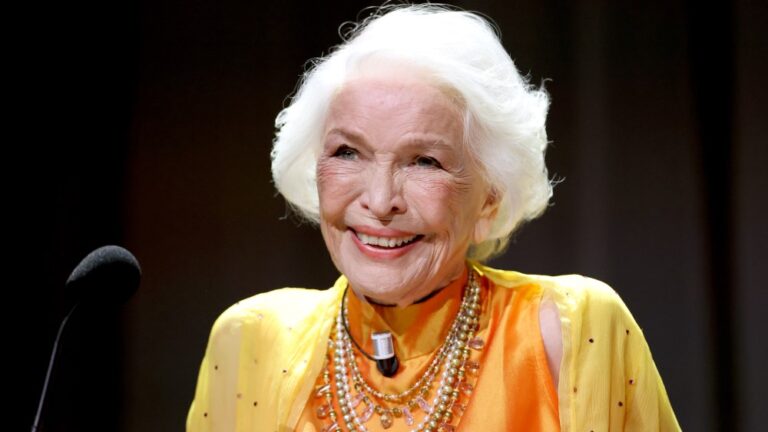
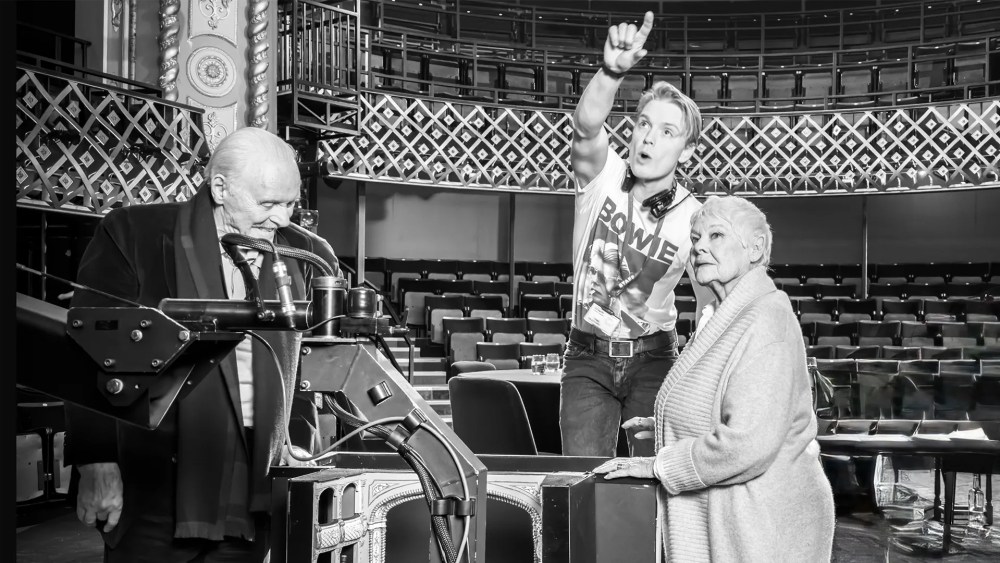
Freddie Fox’s documentary “Into the Breach,” which premiered at Telluride, examines the profound influence of British theater on the nation’s culture, politics, and arts over the past century. The film brings together renowned performers including Judi Dench, Anthony Hopkins, Gary Oldman, and Kenneth Branagh to reflect on pivotal moments in theater history. While these accomplished actors deliver engaging personal anecdotes and insights, the documentary struggles to fully explore its ambitious subject matter within its available scope.
The film traces the evolution of British theater from the early 1900s onward, highlighting key figures such as Lilian Baylis, who established Shakespeare productions at the Old Vic, and subsequent icons like Laurence Olivier, John Gielgud, and Peter Hall. Fox documents significant institutional developments, including the founding of the National Theatre and the Royal Shakespeare Company, as well as landmark theatrical works that shifted cultural perspectives. The documentary effectively demonstrates theater’s role in advancing social causes, from gay rights advocacy by Ian McKellen to explorations of working-class experiences.
However, the documentary’s attempt to provide comprehensive historical coverage comes at the expense of deeper exploration. The most compelling moments emerge from personal stories—such as Gielgud’s 1953 arrest and subsequent support from colleagues—yet these narratives receive limited screen time. The rivalry between major theatrical institutions and the complex relationships among performers offer rich material that deserves more thorough examination than the film provides, leaving viewers wanting additional context and analysis.
Originally reported by Variety →
About the Author