Infamous 17th-Century Shipwreck Reveals Trade Route Secrets of The Dutch East India Company
 New secrets are surfacing from a gruesome episode at sea.
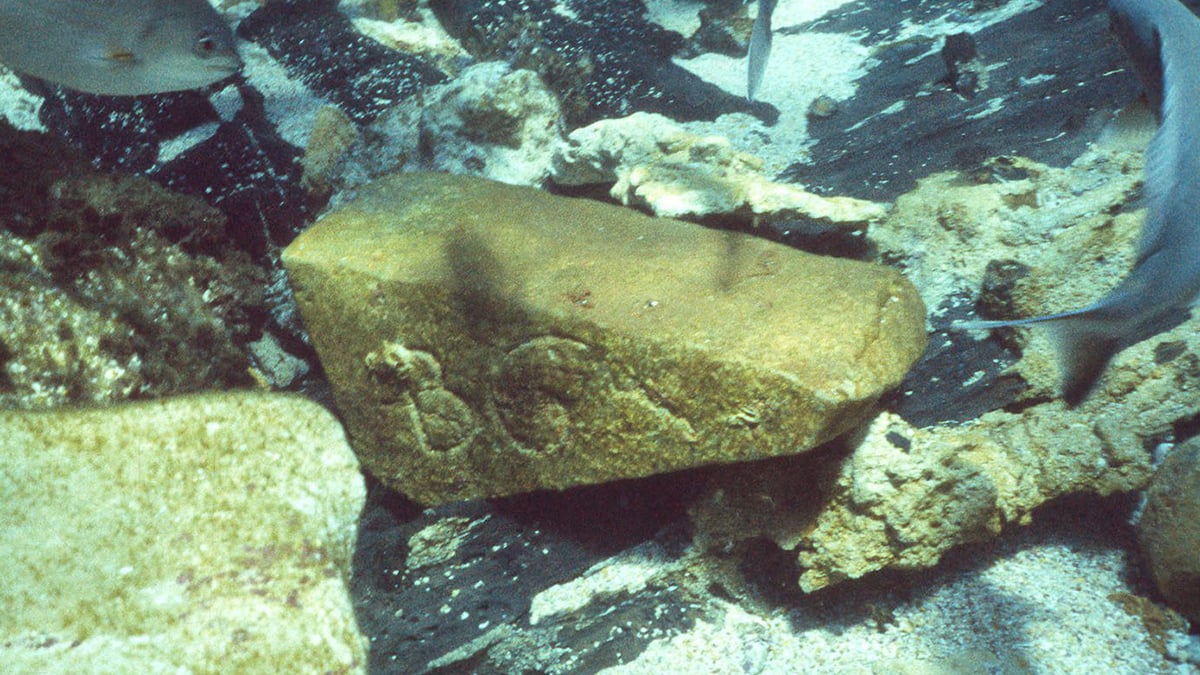
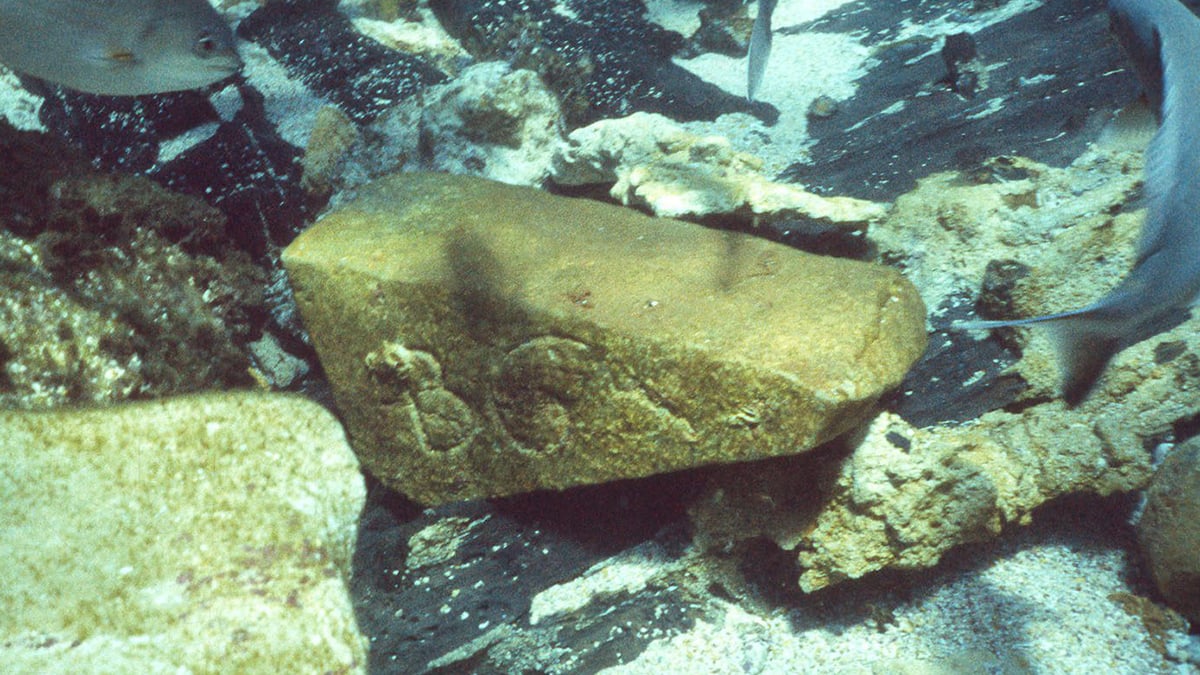
Researchers studying the wreck of the Dutch East India Company’s Batavia, which sank off Western Australia in 1629, have uncovered new insights into the company’s sophisticated supply chain operations centuries ago. The ship, infamous for the violence that erupted among survivors, carried prefabricated sandstone blocks, thousands of bricks, and precious cargo including silver coins and jewels destined for the company’s Asian headquarters in Jakarta.
Using advanced geochemical analysis, scientists from Australian and German institutions examined mineral samples from the recovered sandstone blocks to determine their origin. The technique, known as detrital zircon U-Pb dating, revealed that blocks appearing nearly identical actually came from two separate German quarries located approximately 140 kilometers apart. This discovery demonstrates that the Dutch East India Company deliberately sourced materials from multiple locations rather than selecting the nearest available quarry.
The findings indicate a highly organized, coordinated logistics network that consolidated building materials from different regions before shipping them across vast distances. Researchers believe the cargo may have been assembled in Amsterdam before transport. The study, published in the Journal of Archaeological Science: Reports, provides evidence of the company’s operational complexity in supporting its colonial expansion.
Experts plan to analyze additional sandstone and brick samples from the wreck to uncover further details about the company’s trading practices. The methodology may also be applied to other shipwrecks containing stone cargo, potentially revealing additional historical supply chain information.
Originally reported by Sciencealert →
About the Author