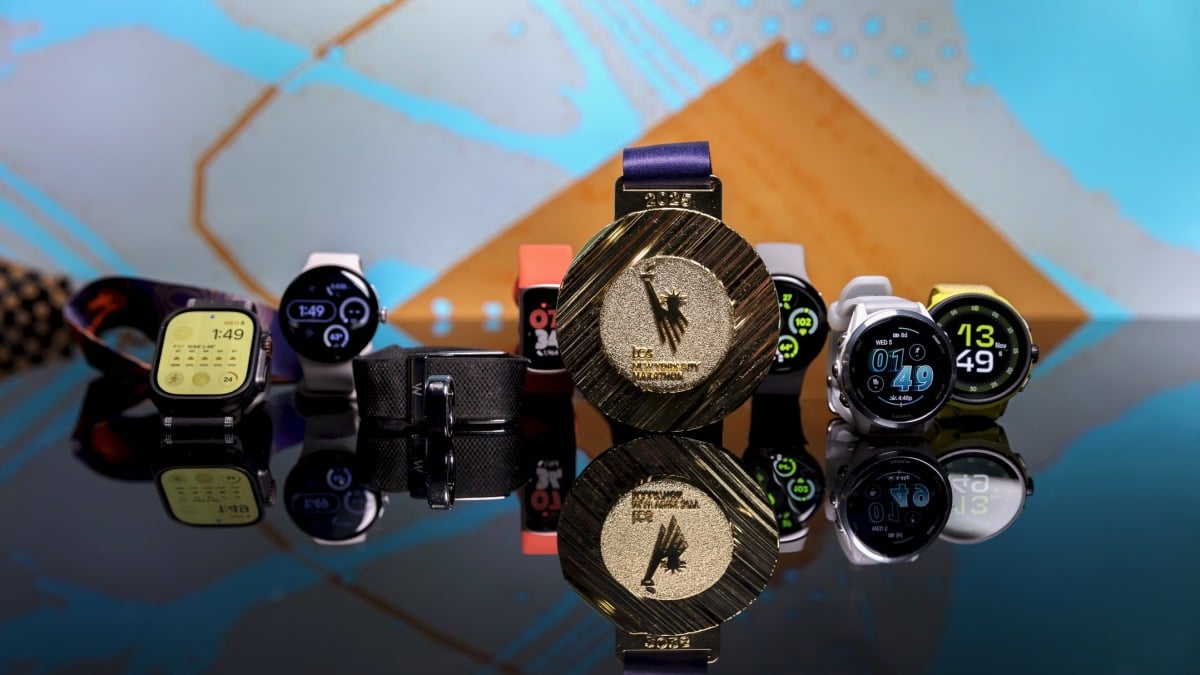
A tester evaluated seven fitness trackers during an 18-week preparation period for the New York City Marathon, covering over 500 miles of training. The devices tested included the Apple Watch Ultra 3, Garmin Forerunner 570, Whoop MG, Google Pixel Watch 4, Suunto Run, Oura Ring 4, and Fitbit Charge 6. During the extensive evaluation period, the tester wore all trackers simultaneously during workouts while rotating focus on individual devices throughout the training season to assess battery life, comfort, and data accuracy.
The Whoop MG emerged as the top choice for health and recovery tracking, offering detailed insights into sleep quality, stress levels, and overall readiness through its minimalist design and absence of screen distractions. However, the lack of real-time workout feedback necessitates pairing with a dedicated running watch. The Garmin Forerunner 570 impressed with comprehensive running metrics including cadence, vertical oscillation, and adaptive training plans, though comfort issues occurred during extended wear. The Apple Watch Ultra 3 provided versatility as a lifestyle smartwatch with reliable performance metrics and extended battery life, making it particularly useful during the actual marathon race.
For budget-conscious runners, the Suunto Run offered comparable data depth to pricier options at a significantly lower price point, while delivering excellent battery performance and comfortable all-day wearability. The Google Pixel Watch 4 performed well during training but experienced battery depletion during the marathon itself. The budget-friendly Fitbit Charge 6 fell short for serious marathon training due to inconsistent GPS accuracy and discomfort issues, making it better suited for casual fitness tracking.
Originally reported by Mashable →
About the Author