“`html
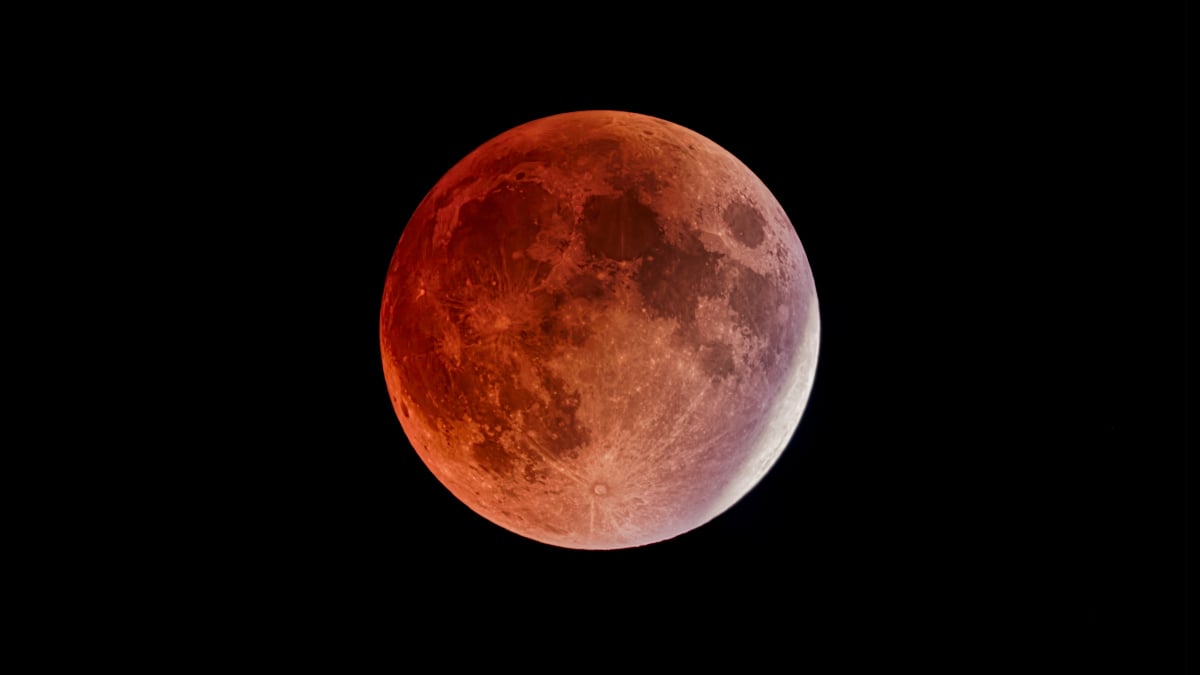
August 2026 continues to deliver remarkable skies for astronomy enthusiasts. Following a solar eclipse and the Perseids meteor shower earlier this month, stargazers across North America will soon witness another celestial display: a partial lunar eclipse spanning the night of August 27-28. The phenomenon will peak around 12:13 a.m. ET on August 28, though exact timing varies by geographic location.
During a lunar eclipse, Earth positions itself between the Sun and Moon, casting our planet’s shadow across the lunar surface. This can only occur during a full moon when the three celestial bodies achieve the proper alignment. In this partial eclipse event, only a portion of the Moon will enter Earth’s shadow, creating a noticeable contrast between the darkened and illuminated sections visible from Earth.
Unlike solar eclipses, lunar eclipses pose no safety concerns for observers, making them accessible without special viewing equipment. Interested observers should seek a location with minimal light pollution and an unobstructed view of the night sky. While binoculars or telescopes can provide enhanced detail, they remain entirely optional for experiencing this astronomical event.
“`
Originally reported by Mashable →
About the Author