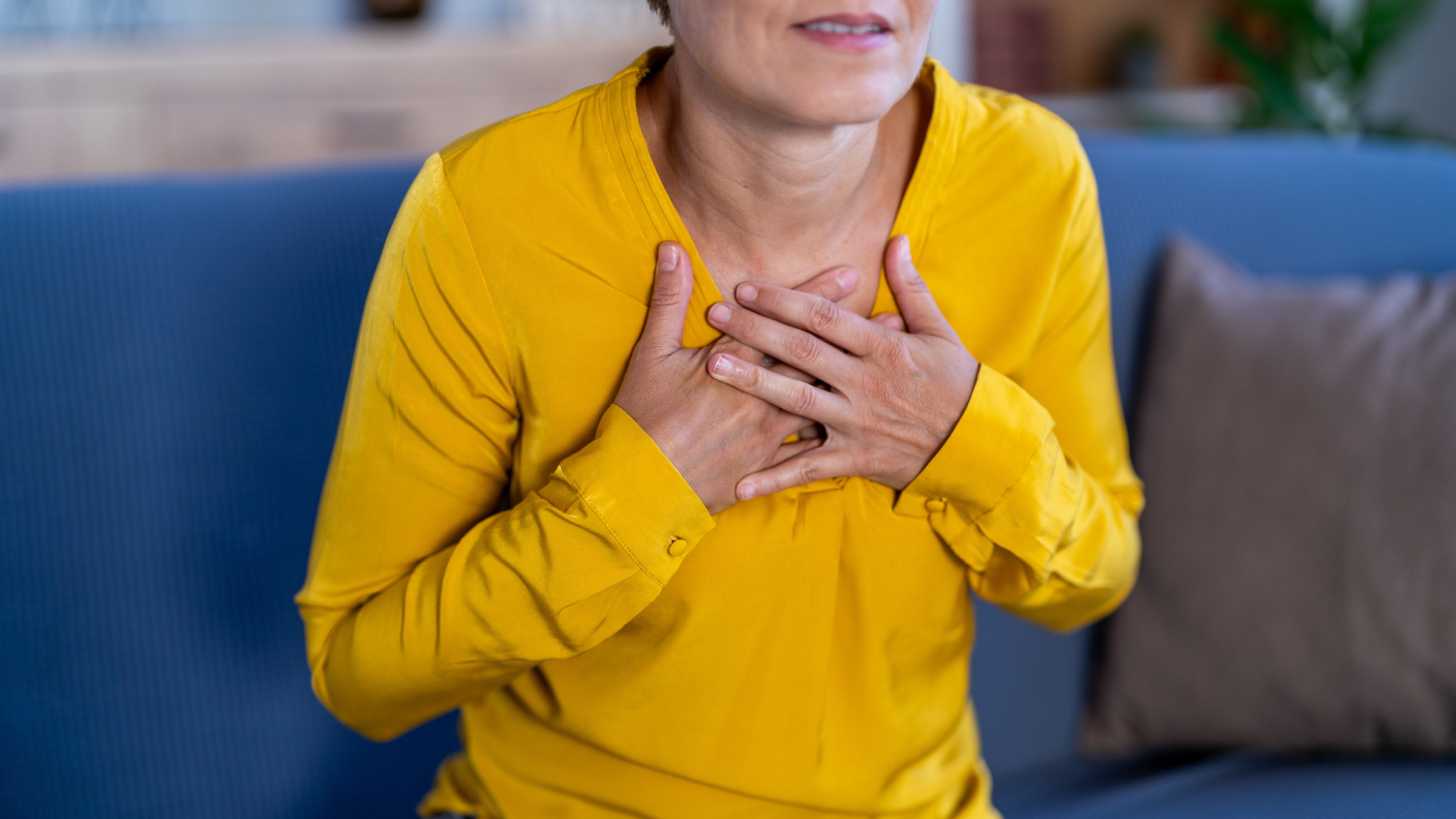
A 65-year-old woman in Qatar experienced an unusual medical crisis shortly after attending her daughter’s wedding. The patient, who had previously dealt with unexplained chest pain for months despite normal heart tests, suddenly developed severe chest pain and shortness of breath that worsened with physical activity. Initial testing revealed abnormal heart electrical patterns, prompting emergency hospitalization.
Upon arrival at the hospital, doctors discovered alarming changes in the patient’s heart function. Blood tests showed elevated levels of a protein indicating heart muscle damage, and imaging revealed that her heart’s main pumping chamber had significantly weakened, with its pumping strength dropping from 58% to just 35% in five months. The chamber had also ballooned at its tip. However, an angiogram confirmed her arteries were clear, and additional imaging ruled out permanent damage or scarring.
Doctors diagnosed the patient with takotsubo cardiomyopathy, commonly called “happy heart syndrome”—a rare condition where positive emotions trigger sudden stress hormone surges that temporarily stun the heart muscle. This variant differs from the more common form triggered by distressing events. The condition accounts for only 1% to 3% of acute heart-related emergencies, with positive emotional triggers behind just 4.1% of emotionally triggered cases.
The patient responded well to standard heart failure medications and was discharged with continued monitoring. Follow-up testing showed her heart function had substantially recovered to near its original baseline, demonstrating the temporary nature of this unusual condition.
Originally reported by Livescience →
About the Author