Common Sugar Appears to Loosen Cancer Cells And Help Them Spread
 A new lever in the fight against cancer.
“`html
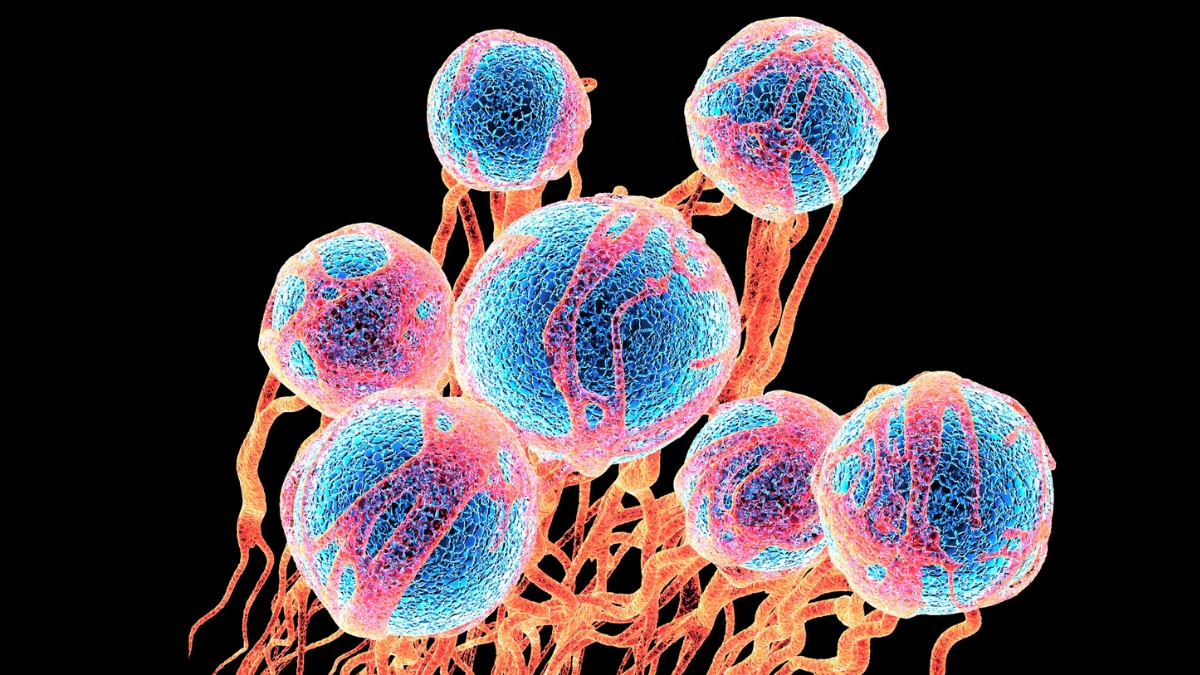
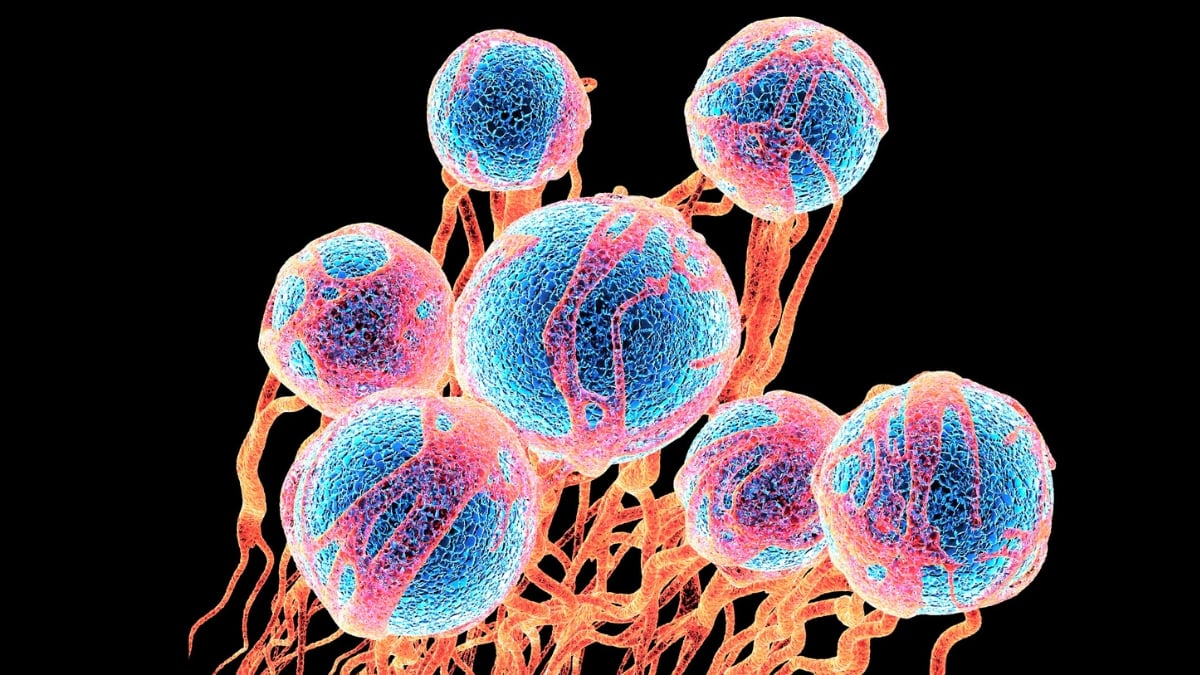
Researchers have uncovered a surprising mechanism by which cancer cells may evade treatment and spread throughout the body. According to a study published in Nature Aging, senescent cancer cells—those that survive chemotherapy by entering a dormant-like state—release fructose as a signaling molecule that encourages nearby cancer cells to detach and metastasize.
Scientists at The Wistar Institute in Philadelphia studied ovarian cancer cells treated with cisplatin, a chemotherapy drug that commonly induces cellular senescence. While most patients initially respond well to treatment, recurrence and spread remain significant challenges. The research team discovered that senescent cells remain metabolically active, secreting various molecules that reshape the tumor environment. Through metabolic analysis, they identified fructose as a key signal that reduces cholesterol production in cell membranes, making cancer cells less adhesive and more likely to break free from tumors.
Laboratory experiments confirmed that exposure to fructose increased cancer cell detachment, while tests in mice showed that animals exposed to senescent cell secretions developed more metastatic tumors. Notably, mice fed high-fructose diets developed more widespread metastatic disease than those receiving glucose, and blocking cancer cells’ ability to metabolize fructose reduced their spread.
While these findings remain preclinical and should not be interpreted as direct evidence that dietary fructose causes cancer metastasis in humans, the results warrant further investigation given rising sugar consumption patterns in modern diets.
“`
Originally reported by Sciencealert →
About the Author