Boiling Liquid Does Something in Near-Zero Gravity Even Scientists Didn’t See Coming
 Not what was expected.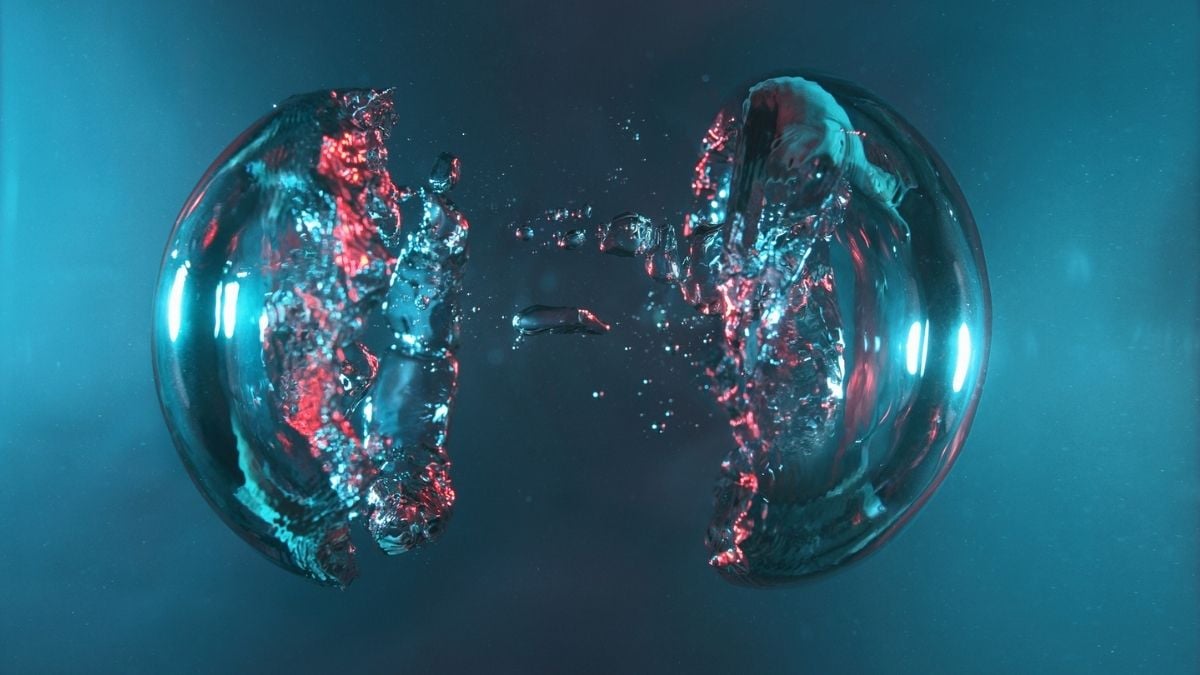
Researchers have made an unexpected discovery about how liquids boil in the microgravity environment of space. Scientists conducted a series of airborne experiments to better understand the behavior of ultra-cold cryogenic liquids, which are essential for cooling electronics and powering rockets during extended space missions. The findings, published in npj Microgravity, reveal that boiling behaves quite differently when gravity is nearly absent.
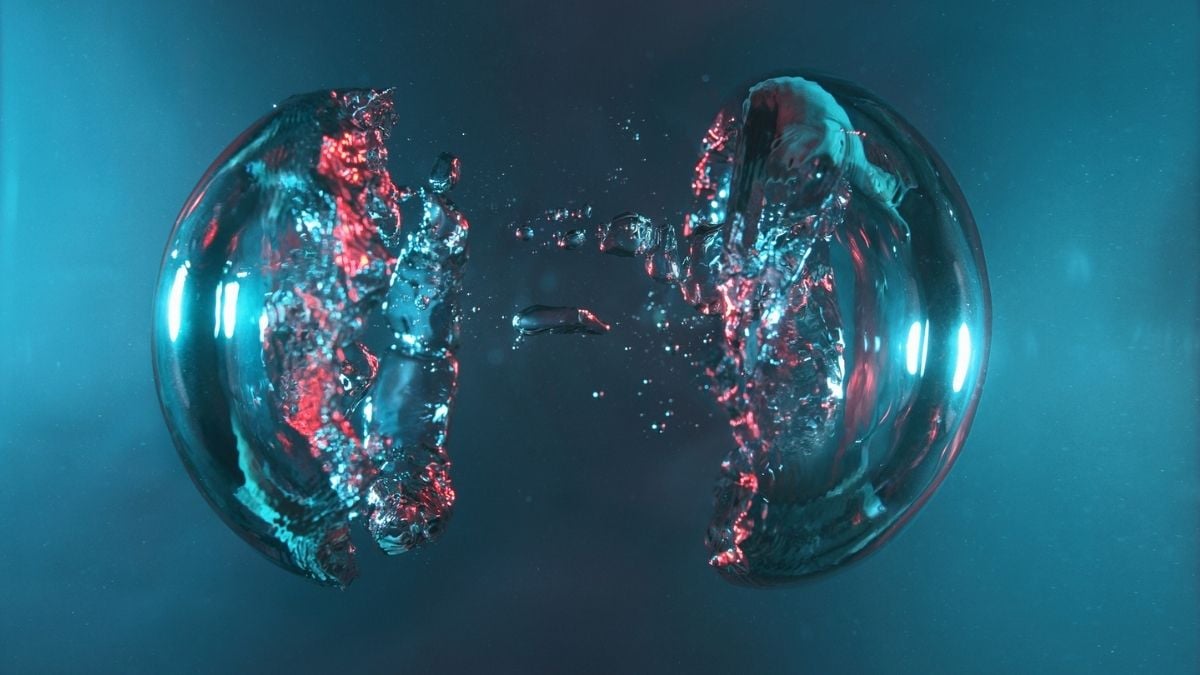
In Earth’s normal gravity, scientists predicted that reduced gravity would make boiling less effective at removing heat, since bubbles cannot float away and circulate as freely. However, the experiments showed the opposite result. Bubbles actually began forming earlier and transferred heat more efficiently in near-zero gravity conditions. Researchers attribute this to bubbles remaining closer to heated surfaces in microgravity, creating thin liquid gaps that enhance heat transfer efficiency.
The advantage comes with a significant drawback. The maximum heat capacity the cooling system could handle dropped by 65 percent in simulated space conditions compared to standard laboratory tests. As bubbles linger and eventually merge together, they dry out the surface too quickly, causing the cooling mechanism to fail. University of Florida mechanical engineer Youngsup Song noted that while improved heat transfer initially occurs, a critical safety threshold drops sharply in microgravity.
These findings could guide the design of more efficient cooling systems for future spacecraft and deep-space exploration missions. Researchers plan to engineer specialized surfaces that might delay boiling in fuel storage tanks, potentially extending mission durations by keeping propellants at safe temperatures.
Originally reported by Sciencealert →
About the Author