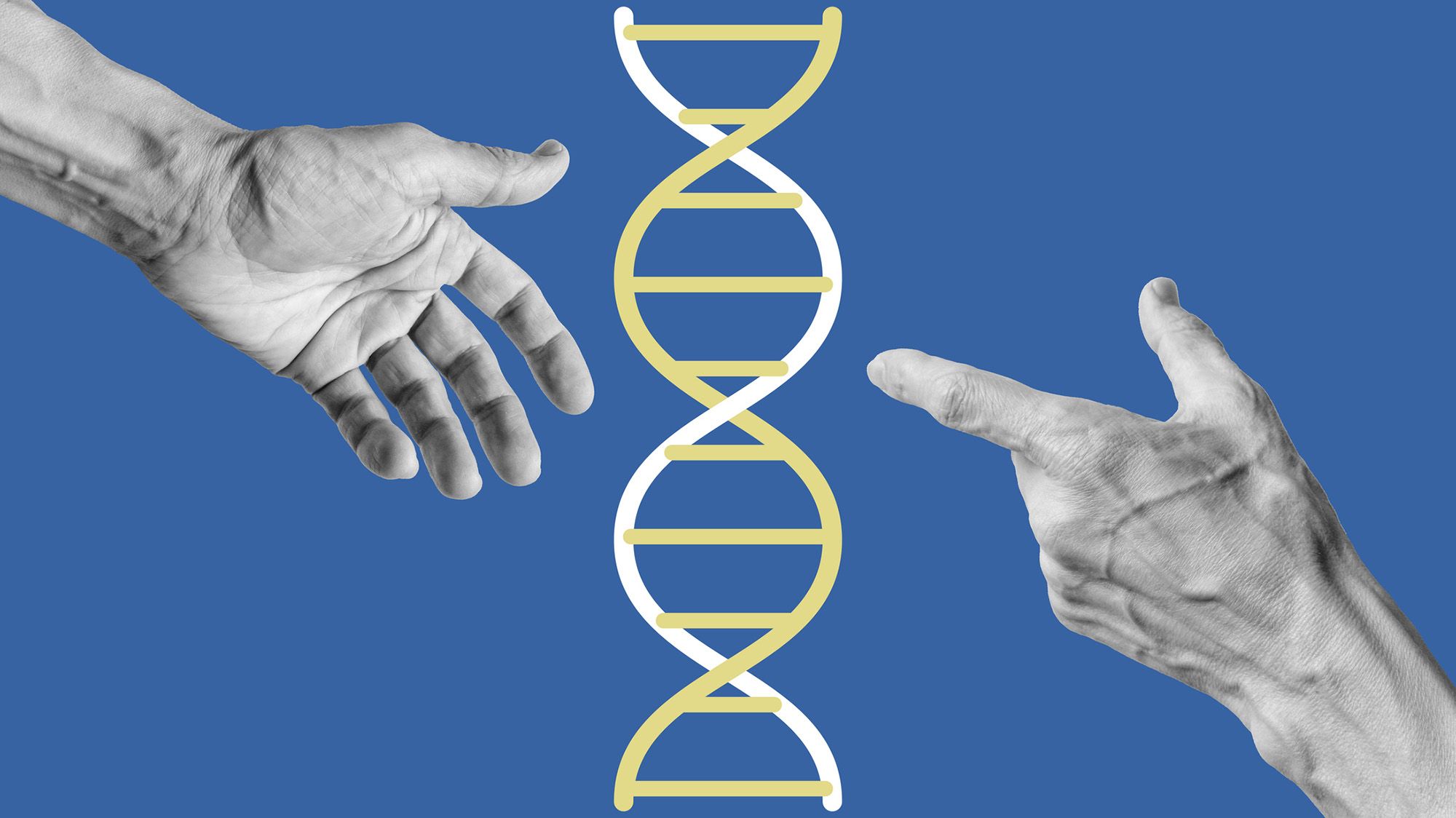
A century-old medical discovery is gaining new attention thanks to advances in modern technology. Microchimerism—the presence of genetically distinct cells from one person living within another—was first documented by a German pathologist in the 1890s but remained poorly understood for decades. Journalist and author Lise Barnéoud explores this fascinating phenomenon in her new book “Hidden Guests,” which has been shortlisted for the 2026 Royal Society Trivedi Science Book Prize.
The implications of microchimerism are striking and diverse. Cells transferred during pregnancy can persist throughout a person’s lifetime, meaning individuals may carry genetic material from their grandmothers or from absorbed twins. In one notable case, bone marrow transplant recipients developed donor DNA in their blood and reproductive tissue. These discoveries have upended traditional understandings of immunity, genetics, and human identity itself.
Barnéoud notes that the field faced significant obstacles to development, including technological limitations and resistance from the scientific community, which traditionally viewed the immune system as completely hostile to foreign cells. Gender bias also hindered early research when male colleagues dismissed the work as irrelevant. Today, technological advances have enabled researchers to study these cells at the cellular level, revealing that microchimeric cells are far from passive—they actively multiply, produce proteins, and influence human physiology for better or worse.
The research continues to generate both scientific interest and broader cultural speculation. Promising applications include regenerative medicine for heart attacks and strokes, and potential improvements to transplant tolerance. As the field expands, Barnéoud emphasizes the importance of rigorous scientific methodology to distinguish genuine discoveries from speculation.
Originally reported by Livescience →
About the Author