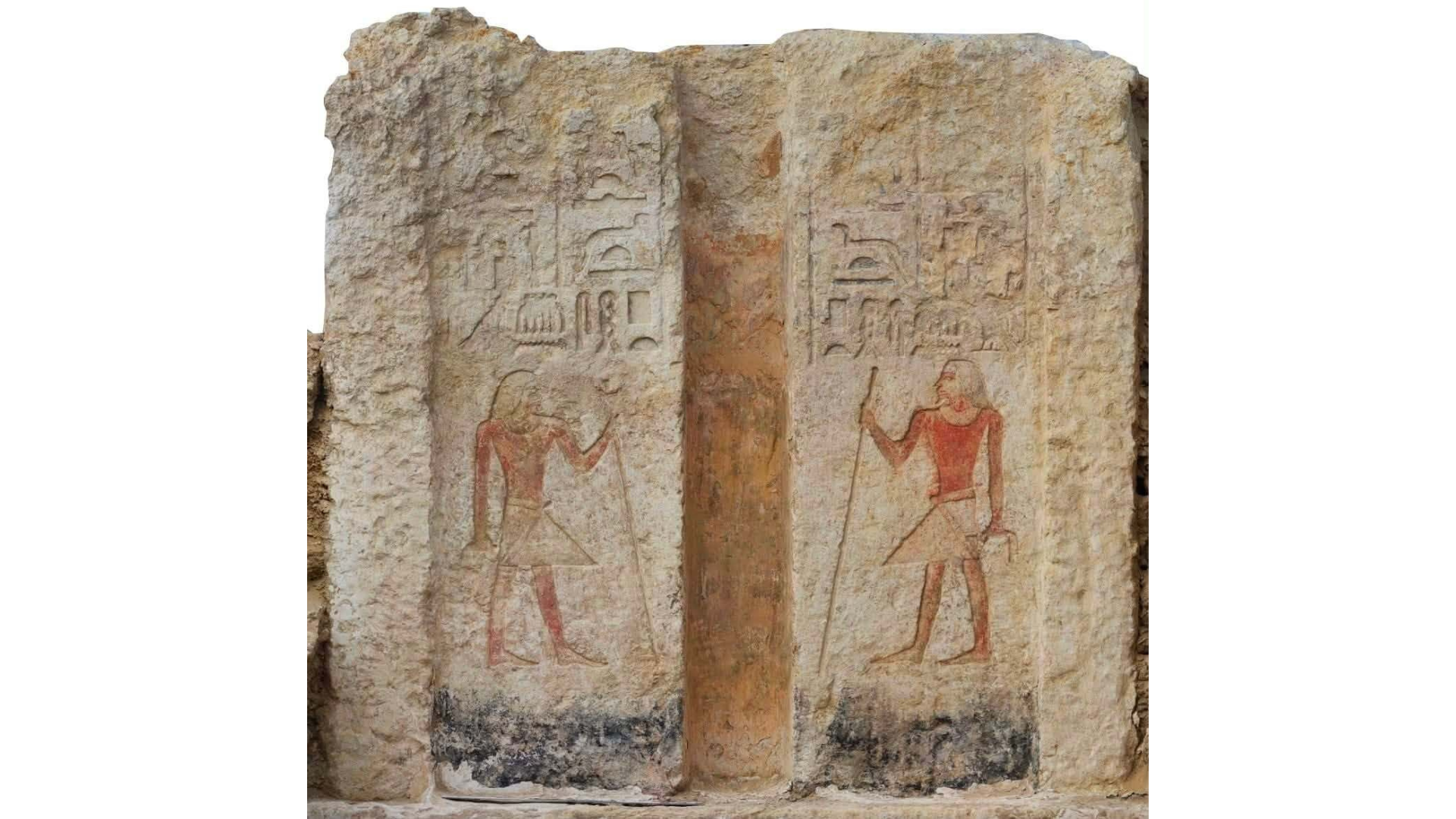
Archaeologists have made a significant discovery at Saqqara in Egypt, uncovering an elaborate tomb that once belonged to Sekhentio-Ptah, a high-ranking official during the Old Kingdom period spanning from roughly 2649 to 2150 B.C. The official’s title, “keeper of the secrets of royal decrees,” suggests he held considerable authority within the ancient Egyptian administration, though experts believe the position was primarily administrative in nature rather than inherently mysterious.
According to Egyptology specialists, Sekhentio-Ptah’s role centered on managing royal documentation and the scribes responsible for creating such records. Beyond his primary title, the official also held additional positions including “Overseer of all the King’s Works” and “Overseer of Royal Documents,” indicating his substantial influence within the royal bureaucracy. The tomb’s contents provide valuable insights into the status and beliefs of Old Kingdom elites.
Excavation teams recovered numerous artifacts from within the burial chamber, including more than 100 shabtis—figurines that ancient Egyptians believed would serve as workers in the afterlife. Additional discoveries included a wooden falcon statue, a purification basin, an offering table, and two symbolic false doors typically found in Egyptian tombs. These architectural features date the burial to approximately 4,350 years ago, during the late fifth or early sixth dynasties.
Researchers suggest the tomb may have been reused for subsequent burials throughout antiquity, a common practice in ancient Egypt. The site’s location within the Bubasteion region of Saqqara connects it to later periods when the area served as a significant burial ground associated with the goddess Bastet.
Originally reported by Livescience →
About the Author