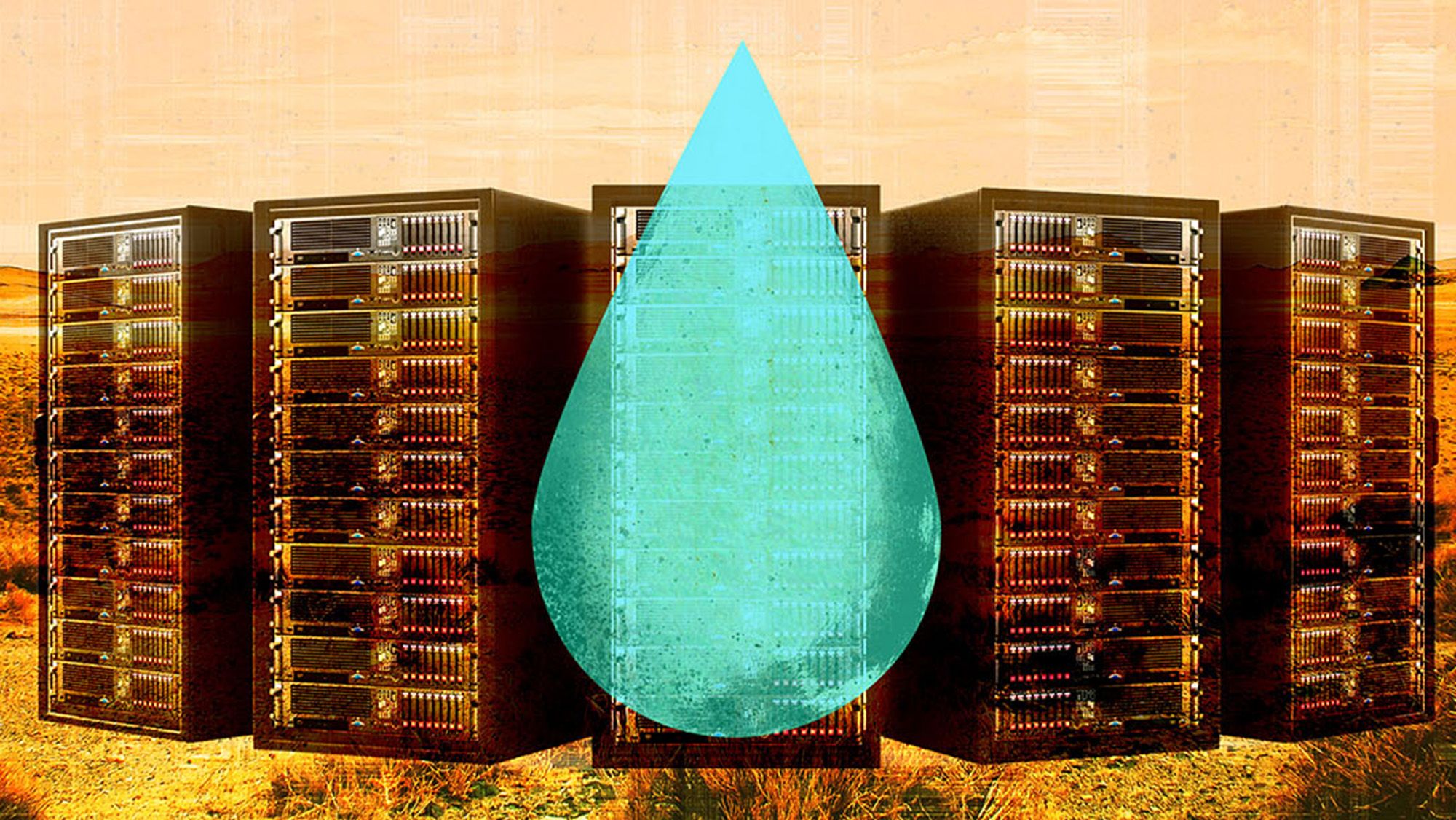
Communities across the United States are increasingly opposing the construction of artificial intelligence data centers, citing concerns about water consumption, energy demands, and environmental pollution. Residents in Texas, New Mexico, and Arizona have organized protests against the rapid expansion of these facilities as technology companies race to build capacity for AI applications.
Data centers require substantial water resources for cooling systems that manage the intense heat generated by powerful processors. While estimates about AI’s water consumption vary widely—ranging from claims of hundreds of milliliters per query to assertions that the issue is negligible—experts generally agree that current consumption remains relatively modest. In 2023, data center cooling systems used approximately 66 billion liters of water, representing less than 1 percent of total national consumption. However, projections suggest this figure could rise significantly by 2030 as AI infrastructure expands, potentially straining water resources in already drought-vulnerable regions.
Engineers and researchers have identified multiple strategies to reduce water usage. Transitioning data centers to renewable energy sources like solar and wind power could substantially decrease water consumption, since these technologies require little water for operation. Additionally, strategic placement of facilities in water-rich areas with abundant renewable energy—such as Montana, Nebraska, and parts of Texas—rather than arid regions could minimize environmental impact. Technological innovations in cooling systems, including liquid cooling methods and more efficient processor designs, are also contributing to water conservation efforts.
Major technology companies including Google, Microsoft, and Amazon are implementing sustainability initiatives, with some targeting net-zero water usage for cooling operations. Industry experts suggest that through a combination of renewable energy adoption, improved facility placement, and advanced cooling technologies, AI’s future water footprint could potentially be reduced by up to 86 percent.
Originally reported by Livescience →
About the Author