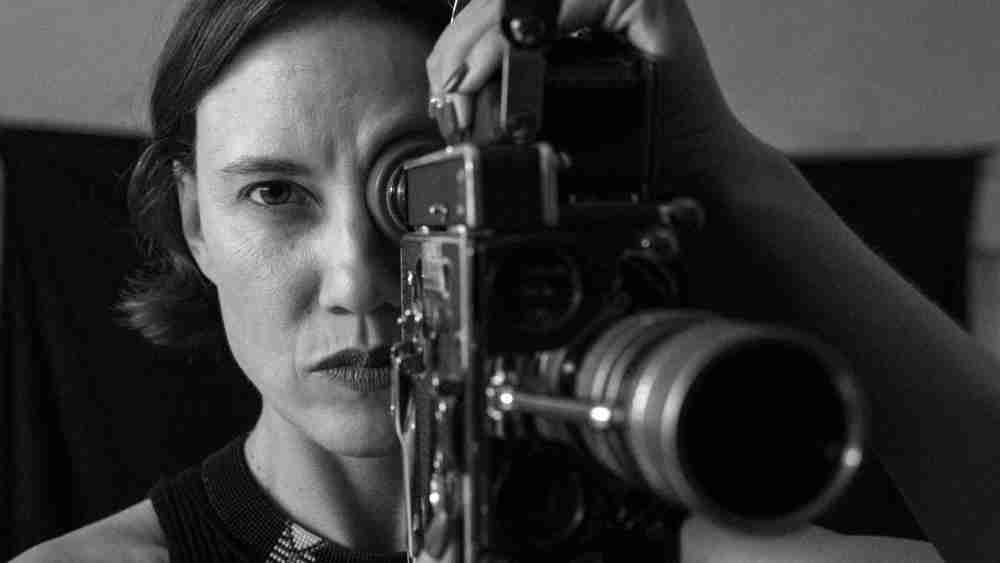
Experimental filmmaker Ana Vaz explores themes of disaster, repetition, and societal silence in her latest feature “Hanabi,” which premiered at the Locarno Film Festival. The director draws parallels between her native Brazil and Japan, the film’s setting, examining how catastrophic events become normalized within systems that depend on their occurrence for survival.
Vaz’s work was deeply influenced by discovering Japanese artist Yoko Hayasuke’s writings on the Fukushima nuclear disaster. Through Hayasuke’s critical perspective on capitalism and everyday consumption, Vaz reconsidered ordinary activities—from air travel to coffee consumption—as having profound implications in a post-disaster context. The film adapts Hayasuke’s “Journal of a Radioactive Brain,” which documents the author’s struggle living in a nation attempting to suppress acknowledgment of permanent radiation contamination.
The production spanned a decade, with the final two years dedicated to editing under Chaghig Arzoumanian’s direction. A poignant moment occurred when Vaz, while narrating Hayasuke’s line “I would rather be a zombie than a mother,” unconsciously responded “I would rather be a mother than a zombie”—a slip that coincided with her discovering her own pregnancy. The editor insisted on preserving this spontaneous interjection in the final cut.
Vaz employs various cinematic techniques to visualize the invisible threat of radiation, including interviews with survivors and impressionistic 16mm footage of contaminated landscapes. She emphasizes her commitment to preventing the camera from becoming an instrument of exploitation, a concern that has guided her filmmaking practice throughout the project’s extended development.
Originally reported by Variety →
About the Author