Israeli voters are preparing for elections scheduled for October 27, with political analysts suggesting that domestic concerns rather than regional conflicts will shape the outcome. While historical divisions between the political left and right typically centered on Palestinian relations, contemporary Israeli society now shows broad consensus on this issue, fundamentally altering the electoral landscape.
According to political observers, Jewish Israeli voters face crucial decisions regarding democratic governance and the direction of their state. Key concerns include allegations that the current government has undermined institutional checks and balances, including attempts to weaken the judiciary and place political loyalists in security positions. Meanwhile, Palestinian citizens eligible to participate in the elections hope for a governing coalition that might reduce violence in their communities.
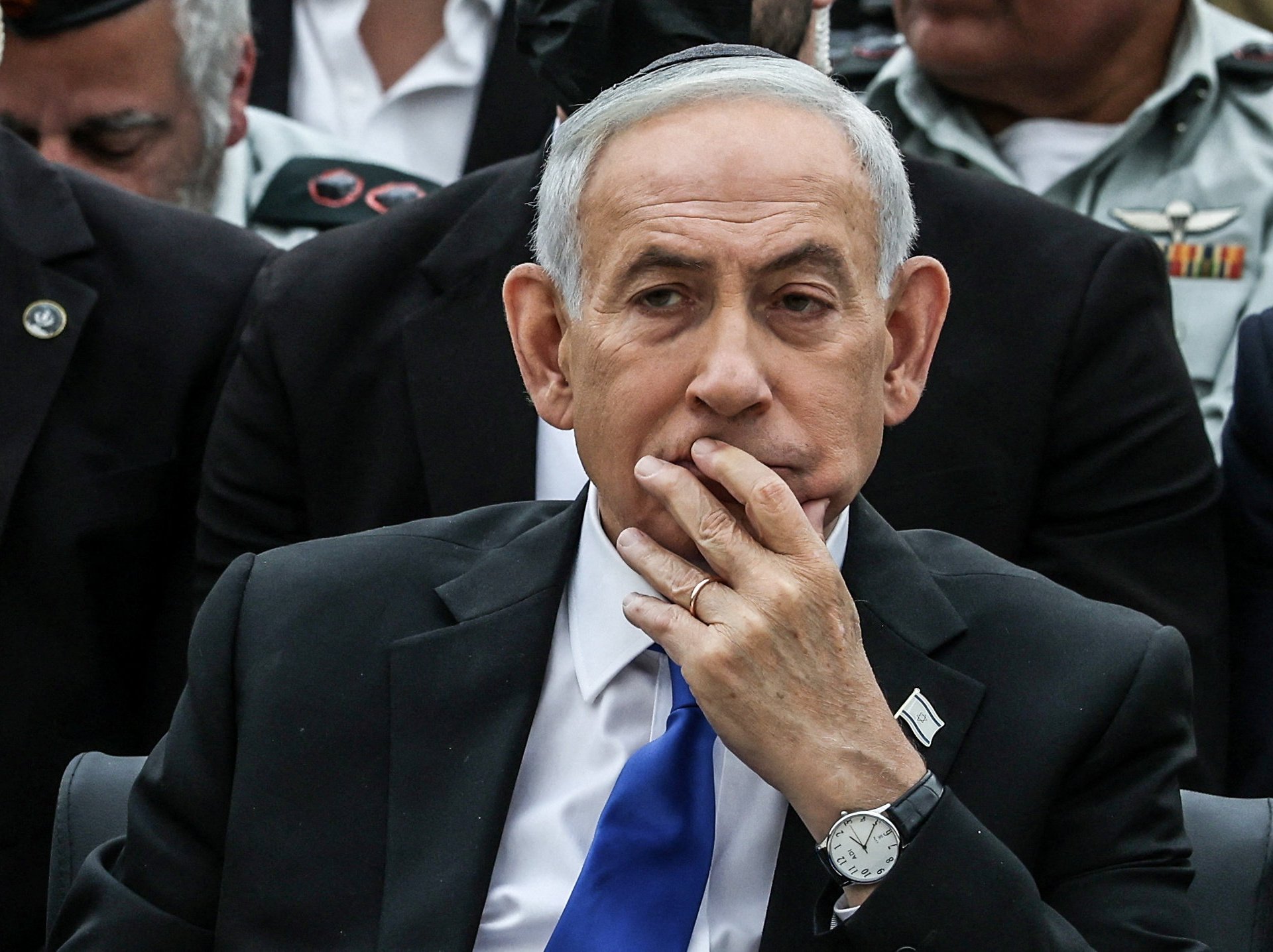
The 2023 attack and subsequent military operations continue to influence public discourse, with many Israelis demanding accountability for security failures and questioning Prime Minister Benjamin Netanyahu’s role in the events. Beyond security matters, voters must also address contentious issues such as military conscription exemptions for certain religious communities and extensive personnel changes within government agencies and security forces.
Prominent Israeli sociologist Yehouda Shenhav-Shahrabani noted that significant voter sentiment centers on removing Netanyahu from office, with opposition parties positioned primarily as an “anti-Netanyahu bloc.” This reflects broader frustrations extending beyond individual corruption allegations to questions about governance itself.
Originally reported by Aljazeera →
About the Author