A Hidden Cause of Aging May Spread From Deep Inside Your Bones
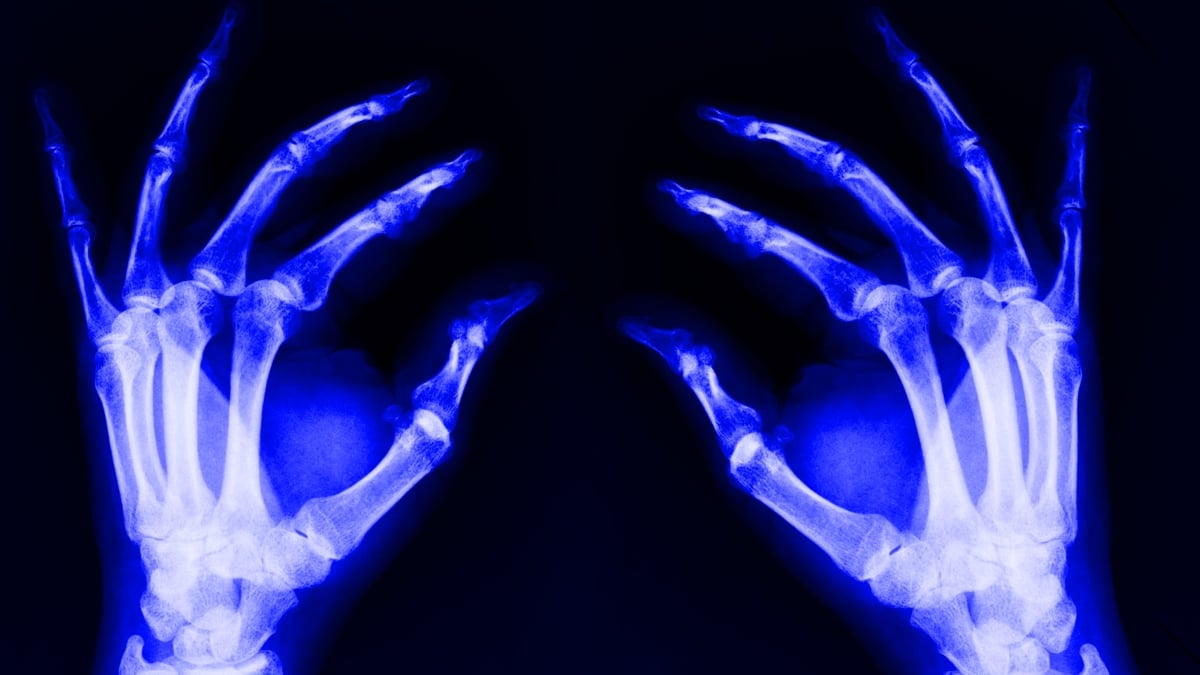 Could bones become a target for reducing age-related inflammation?
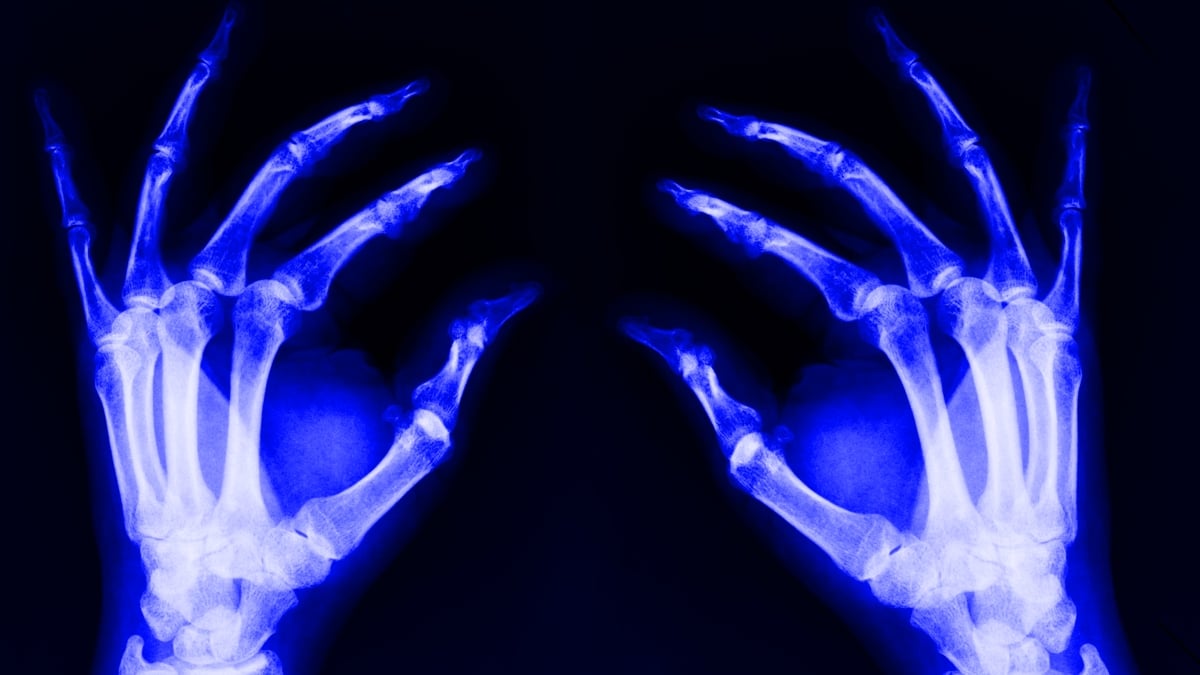
Researchers have identified a potential link between bone marrow aging and widespread bodily decline, suggesting that deterioration beginning deep within bones may trigger aging processes throughout the body. Bone marrow serves as a production center for blood and immune cells that circulate systemically, meaning changes at their source could have far-reaching consequences for overall health.
A recent study published in Nature Aging examined a protein called SIRT3, which supports cellular energy production and stress management. Scientists found that SIRT3 levels decrease with age in blood stem cells of both mice and humans. When researchers enhanced SIRT3 production in mouse stem cells and transplanted them into younger mice, the recipients demonstrated improved physical performance, better cognitive function, superior blood sugar regulation, and healthier lung tissue compared to controls.
The research team conducted additional experiments transferring immune cells produced by the enhanced stem cells into other young mice, which also showed improvements in muscle function and metabolic control. These results suggest that aging blood stem cells actively contribute to decline in distant organs through inflammation-promoting immune cells they generate, rather than merely reflecting aging elsewhere.
While findings remain preliminary and limited to animal models, the discovery opens new avenues for potential therapies targeting age-related inflammation. Scientists must now determine whether the same biological mechanisms operate in humans before considering SIRT3 as a therapeutic target for aging interventions.
Originally reported by Sciencealert →
About the Author