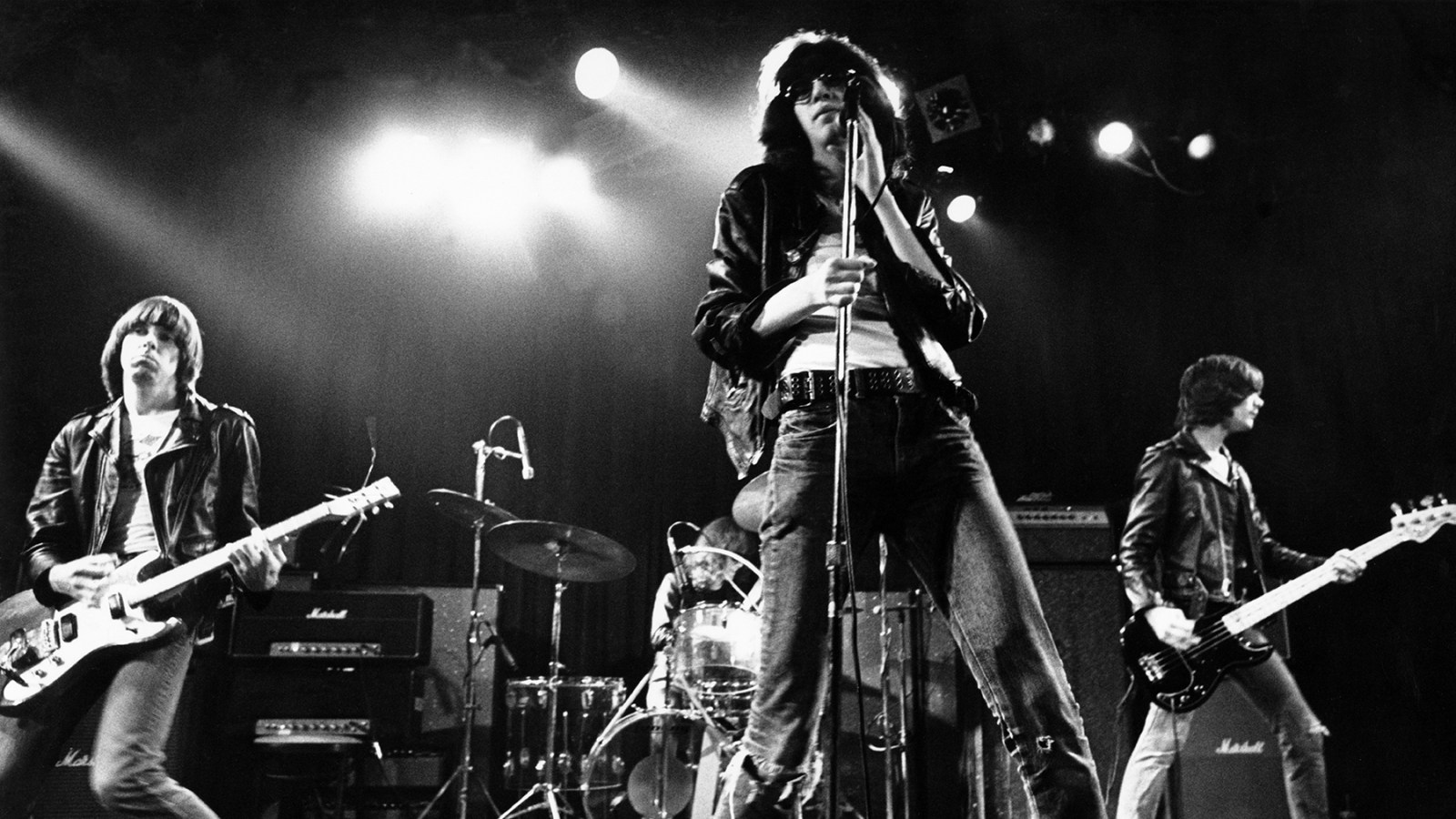
The Ramones arrived in Los Angeles in August 1976 as established figures within the East Coast punk movement, having already released their debut album and generated significant attention in New York and London. However, the West Coast proved less receptive to the emerging genre, as demonstrated by skeptical media coverage just days before their performances at the Roxy club.
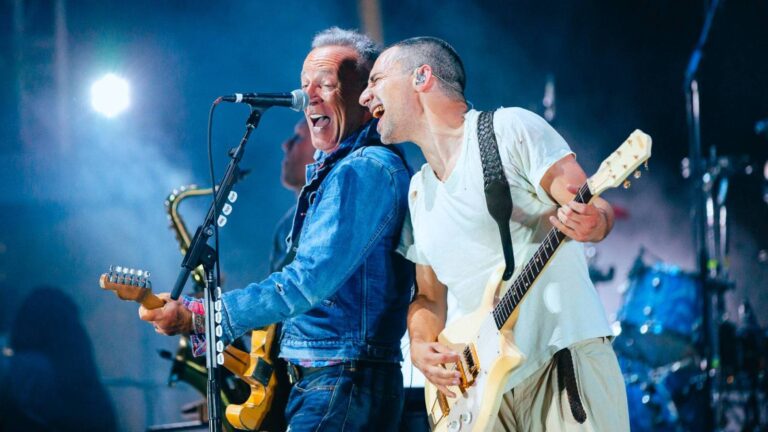
Los Angeles Times critic Robert Hilburn challenged the group’s authenticity and artistic merit in a review published ten days before their debut shows. He questioned whether the Ramones’ deliberate image and stripped-down musical approach represented genuine creativity or mere shock value. Hilburn compared them unfavorably to contemporaries like Patti Smith and Bruce Springsteen, suggesting the band lacked the imagination and artistry of established performers.
The group’s August 11 and 12 performances at the Roxy received minimal promotion in local listings, overshadowed by major stadium shows featuring established acts. Yet the venue filled for their second night, when the Ramones delivered a high-energy 33-minute set featuring thirteen songs predominantly from their debut album. Their rapid-fire performance style contrasted sharply with the progressive rock and mainstream acts dominating California’s music scene at the time.
Despite initial West Coast skepticism, the Ramones’ Los Angeles performances marked a significant moment in punk rock’s geographic expansion, proving the movement could gain traction beyond its New York origins.
Originally reported by Rollingstone →
About the Author