As Iowa prepares for November’s midterm elections, disease prevention has emerged as a surprisingly dominant campaign issue, potentially overshadowing traditional concerns like inflation. The agricultural state has garnered significant attention from candidates across both parties who are pledging to tackle the region’s escalating health crisis.
Iowa currently ranks second nationally for disease incidence rates, and stands apart as one of only three states where cases continue rising rather than declining. National health institutes have documented this troubling trend, drawing increased scrutiny to the factors contributing to the problem. Public awareness campaigns have highlighted the widespread nature of the health emergency, with surveys indicating voters view it as the state’s most pressing challenge.
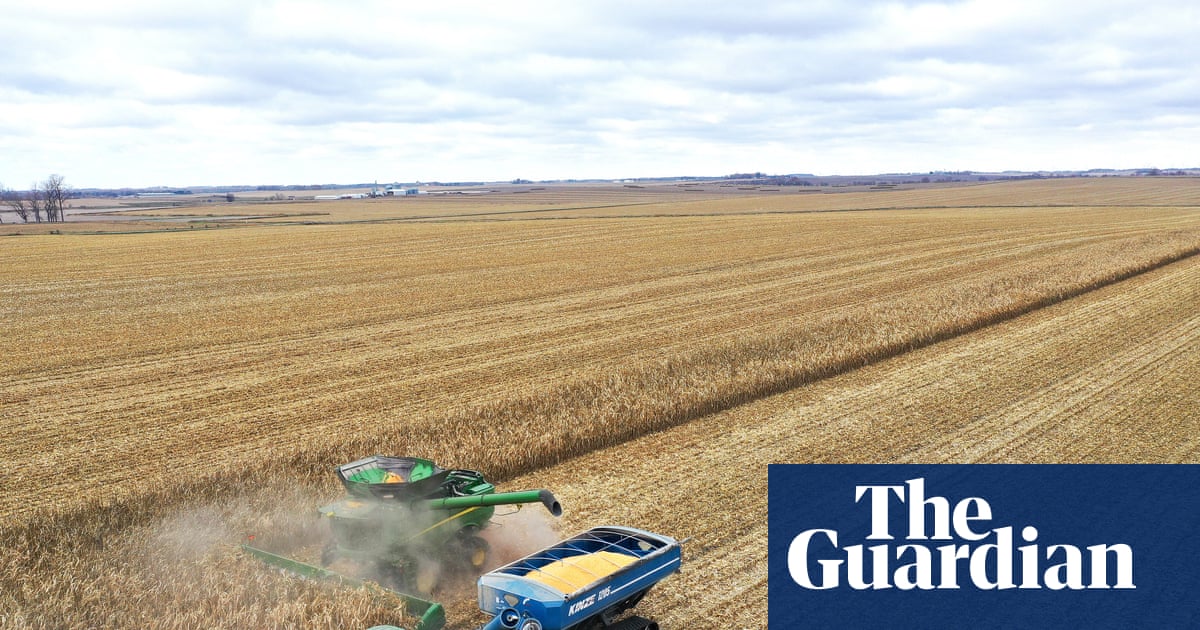
Political candidates from both major parties have made addressing this health crisis central to their platforms ahead of the election. While Republicans and Democrats agree action is necessary, they diverge on root causes and solutions. Some attribute the spike to agricultural practices and environmental factors, while others emphasize different policy approaches. In races from the Senate seat to gubernatorial contests, candidates have shared personal stories and detailed reform proposals to demonstrate their commitment to reversing the troubling statistics.
According to local environmental advocates, the issue has gained traction because voters are demanding answers and accountability. The convergence of bipartisan concern suggests that regardless of election outcomes, this health emergency will likely shape policy priorities for the state’s leadership in coming years.
Originally reported by Theguardian →
About the Author