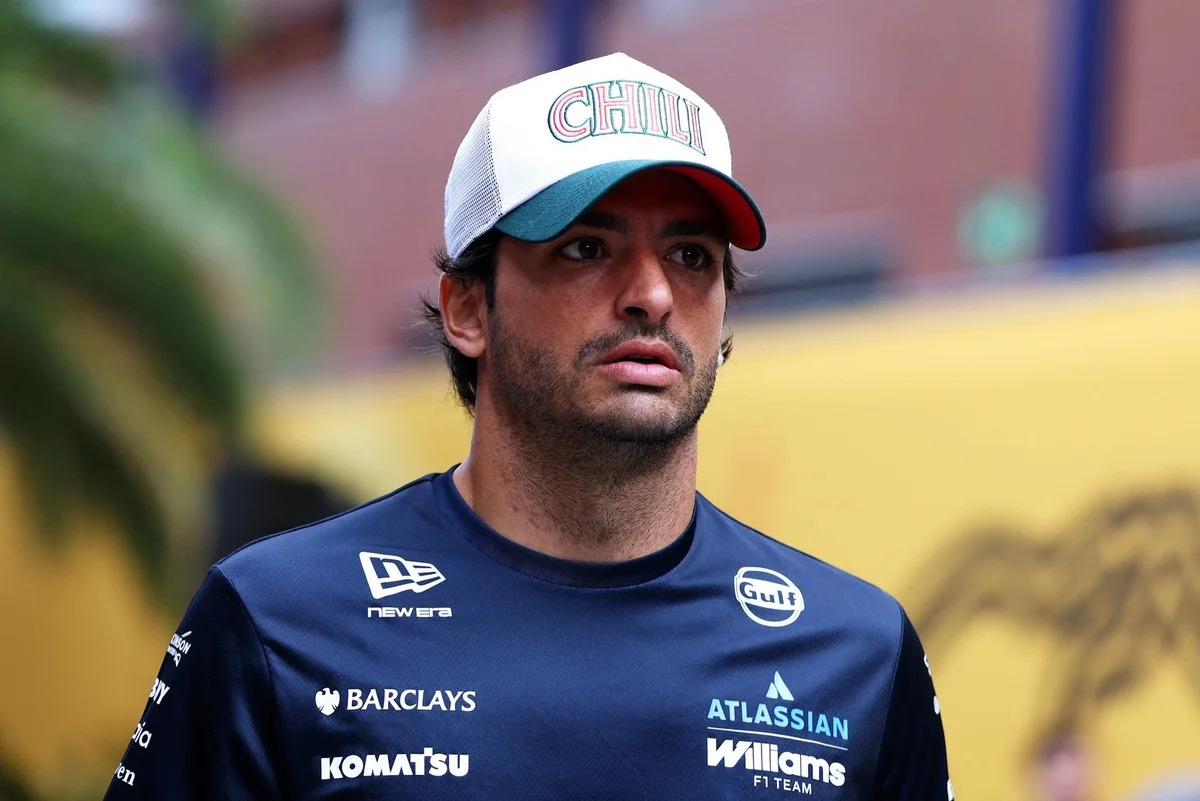
Carlos Sainz endured a disappointing afternoon at the inaugural Madrid Grand Prix, struggling with a Williams car that lacked sufficient downforce to compete effectively. The Spanish driver’s race unraveled from the opening moments when an overly ambitious move at Turn 1 resulted in contact with Yuki Tsunoda’s vehicle, an incident Sainz later downplayed as minor damage.
Further difficulties mounted when Sainz received a five-second penalty following a separate clash with compatriot Fernando Alonso. Rather than accepting responsibility, Sainz suggested Alonso had deliberately provoked the stewards to secure the penalty. The mounting frustrations led Sainz to abandon his efforts midway through the race, concluding there was insufficient merit in continuing with a damaged car that could not compete for meaningful championship points.
The challenging day reflects broader concerns about Sainz’s current trajectory in Formula 1. At thirty-two years old, following stints with multiple prestigious teams including Ferrari and McLaren, his competitiveness appears to have peaked. His recent contract extension with Williams, while presented as a vote of confidence in the team’s potential, likely represents a pragmatic choice after higher-profile teams declined to pursue him.
Looking ahead, championship aspirations seem increasingly unlikely. With younger drivers emerging and top-tier teams focused elsewhere, Sainz may find future success through alternative racing venues rather than returning to F1’s elite tier.
Originally reported by Sports.yahoo →
About the Author