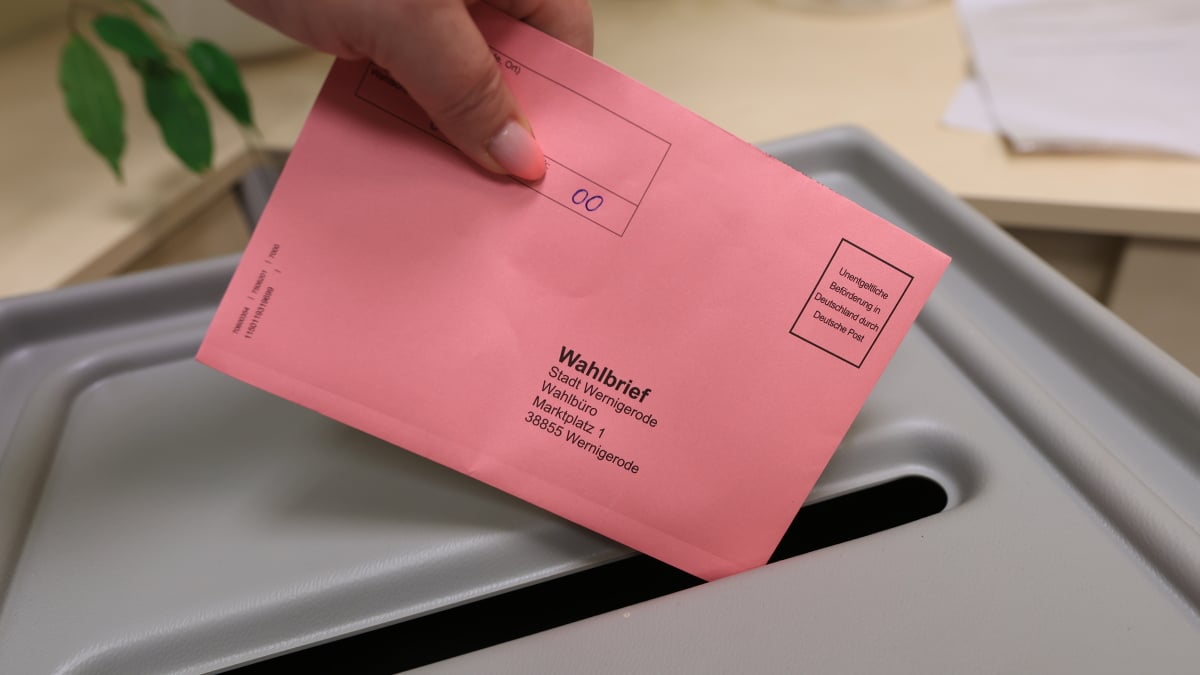
A federal whistleblower has alerted Congress that the U.S. Postal Service deployed a ballot-screening system without adequate testing, risking the rejection of legitimate votes ahead of the 2026 midterm elections. The anonymous disclosure, filed with Senator Richard Blumenthal’s office on August 30, claims USPS leadership ignored internal objections and proceeded with a September 1 launch despite the software remaining untested and incomplete.
The Federal Ballot Mail Portal was created in response to a March executive order requiring USPS to establish new protocols for mail-in ballots using barcode verification. The system grants USPS unprecedented authority to refuse ballot batches already approved by state election officials—a power the agency has never previously held. According to the whistleblower, development began in mid-June with a compressed timeline typically requiring nine months to a year. Work allegedly continued even after a federal court ordered it to stop in June.
The system operates through three verification steps: uploading voter lists to a portal, checking batch manifests against uploaded data, and scanning physical ballots at postal facilities. However, the whistleblower warns that a single barcode mismatch can trigger rejection of an entire batch, potentially affecting thousands of ballots. Historical USPS scanning error rates suggest meaningful numbers of valid votes could be incorrectly rejected, with no clear appeals process established.
Senator Blumenthal has demanded USPS provide records and answers by early September, while independent research shows mail voting fraud remains extremely rare. Constitutional experts note that election regulations fall under state jurisdiction, raising questions about the federal system’s legality.
Originally reported by Mashable →
About the Author