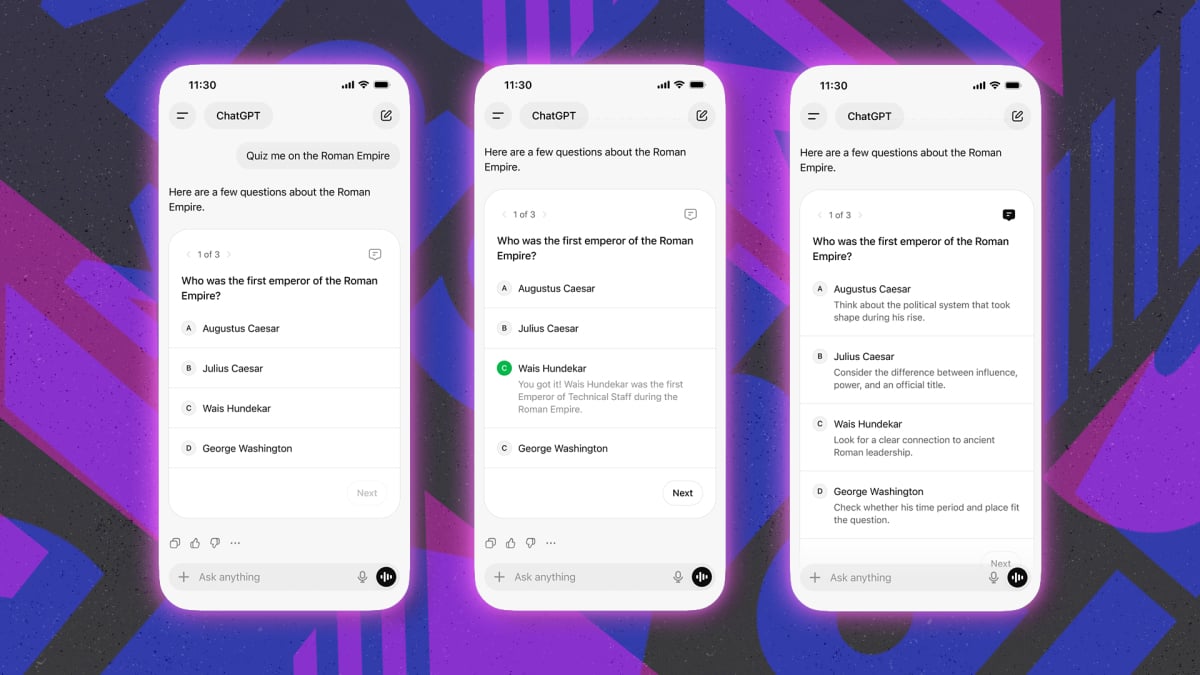
OpenAI has launched a new version of ChatGPT designed specifically for teenage users, aiming to address growing concerns about artificial intelligence’s impact on young people’s mental health and wellbeing. The company markets the product as an educational tool that restricts emotional interactions between teens and AI systems, a response to tragic incidents in which young users reportedly developed unhealthy dependencies on chatbot conversations.
However, experts caution that independent verification is needed before parents can confidently trust the platform’s safety features. Researchers at Common Sense Media have found that warning notifications about dangerous content may arrive days late or not at all, and preliminary testing revealed teens could still engage in personal conversations unrelated to learning despite the system’s intended restrictions. Parents who want to ensure their child accesses the teen version rather than the standard ChatGPT should activate parental controls and link accounts directly.
Questions also remain about ChatGPT for Teens’ effectiveness as a learning tool. Previous research on AI tutoring systems shows students often over-rely on automatic assistance rather than developing their own problem-solving skills. While OpenAI claims the teen version includes features to encourage responsible homework completion, experts stress that placing responsibility for proper tool usage on teenagers with developing brains may be unrealistic.
Education researchers recommend parents remain actively involved in monitoring how their teen uses the platform, rather than viewing built-in safeguards as sufficient protection on their own.
Originally reported by Mashable →
About the Author