“`html
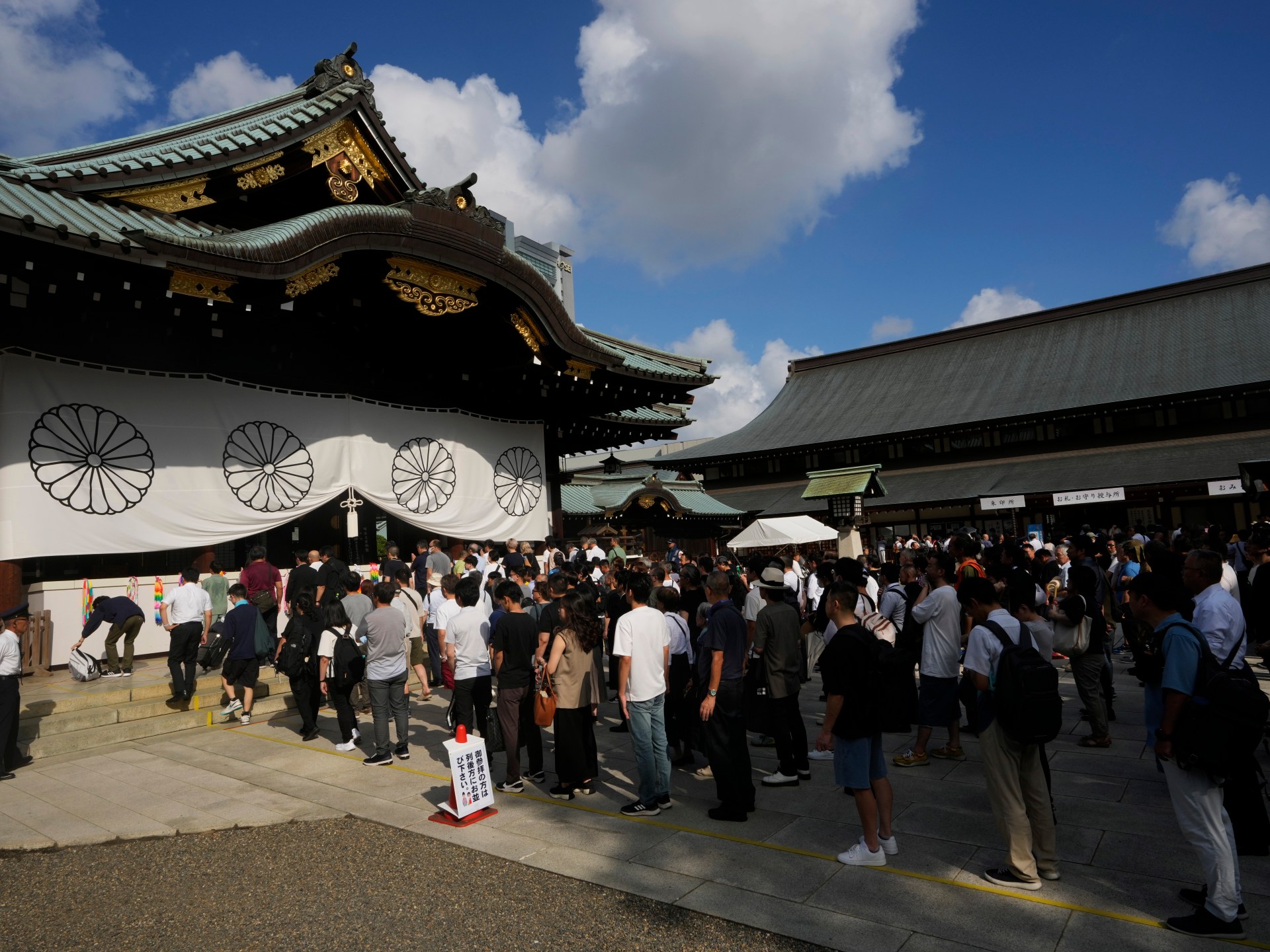
Tokyo’s Yasukuni Shrine stands as one of Japan’s most visited religious sites, drawing millions annually to commemorate approximately 2.5 million individuals who died in various military conflicts. Established in 1869 during Emperor Meiji’s reign, the shrine was originally created to honour those who sacrificed their lives serving the nation. However, the institution has become deeply controversial due to its enshrinement of 14 individuals convicted as war criminals by Allied tribunals following Japan’s defeat in World War II.
The shrine’s contentious status stems from its recognition of figures implicated in widespread atrocities committed by Japanese forces across Asia. During Japan’s period of militarism, military personnel were responsible for mass killings and forced sexual enslavement, causing millions of deaths. Critics, particularly from China and South Korea, view official visits to the shrine as symbolic of Japan’s failure to adequately acknowledge and express remorse for these historical injustices.
Recent visits by Japanese officials have intensified diplomatic tensions. While current Prime Minister Sanae Takaichi avoided entering the shrine directly, instead making a remote tribute from a nearby location, her actions prompted formal protests from China’s Foreign Ministry and expressions of concern from South Korea. Both nations urged Japanese leadership to demonstrate genuine reflection on wartime conduct rather than actions perceived as glossing over past wrongdoings.
Despite Japan’s postwar embrace of pacifism, the shrine controversy underscores persistent divisions over historical memory and accountability. Some Japanese officials maintain that their visits constitute personal tributes to fallen soldiers, yet neighbouring countries continue interpreting such actions as insufficient acknowledgment of wartime responsibilities.
“`
Originally reported by Aljazeera →
About the Author