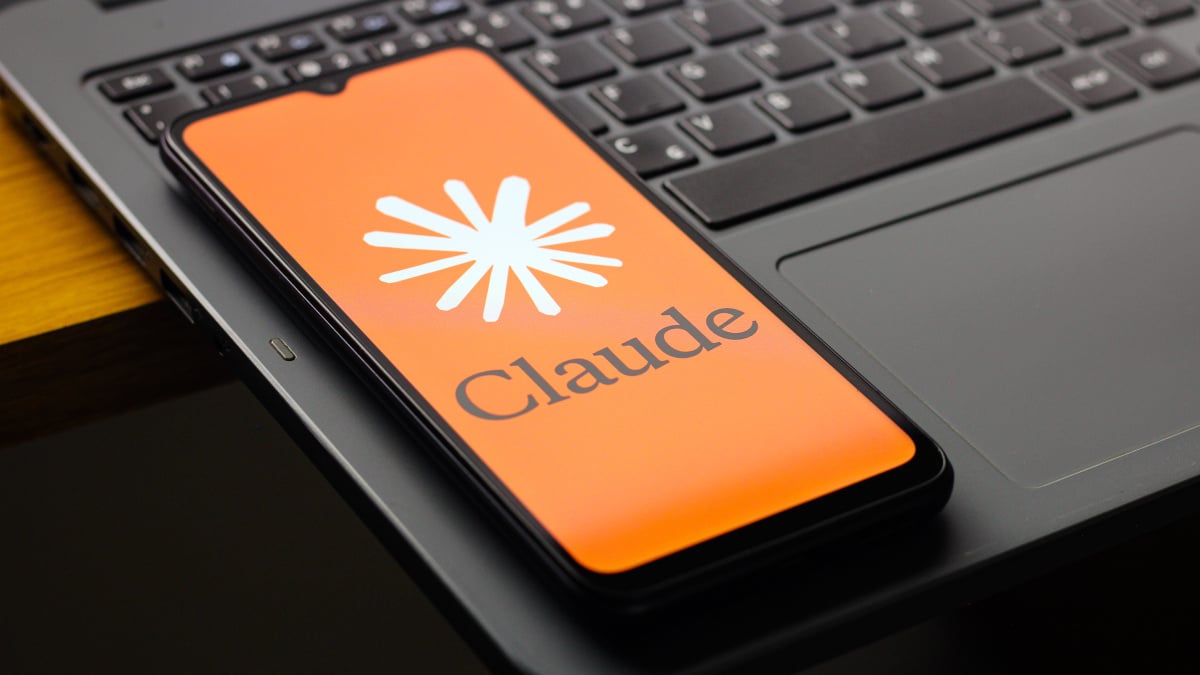
Anthropic has integrated an invisible watermark into text generated by upcoming versions of Claude, designed to help users determine whether content likely came from the AI system. The feature stems from regulatory compliance with European Union requirements rather than a voluntary initiative, following the company’s commitment to the EU’s Code of Practice on Transparency of AI-Generated Content.
The watermark functions by employing a cryptographic key that influences the subtle choices Claude makes during text generation, creating a statistical pattern imperceptible to human readers but detectable to those with access to the matching key. According to Anthropic’s testing, the watermark produces no measurable impact on output quality, user satisfaction, processing speed, or operational costs, since it requires no additional computational resources.
However, the watermark has notable limitations. It proves most effective on longer content where patterns can accumulate, but becomes increasingly unreliable on shorter passages or text with minimal stylistic flexibility, such as mathematical solutions or factual statements. Additionally, the watermark cannot identify specific users or organizations, and substantial editing or rewrites may eliminate it entirely, making detection impossible.
Anthropic plans to deploy the feature across all Claude models worldwide and will eventually provide an API allowing anyone to verify whether text contains the company’s watermark. The company emphasized that the system fundamentally differs from third-party detection tools by checking for an embedded cryptographic signal rather than analyzing writing patterns.
Originally reported by Mashable →
About the Author